

Shopping for clothes online used to mean guessing how something might look on you. Now, with the rise of AI fashion design tools and AI clothes changer apps, that process is becoming far more visual, faster, and honestly more fun. From trying on outfits in seconds to generating complete styled looks from a single photo, these tools are changing how people shop, create content, and explore personal style.
What is an AI Clothes Changer?
An AI clothes changer is a tool that digitally replaces the clothing in a photo with a new outfit. Instead of manually editing images or imagining how a look might work, users can upload a picture and see realistic outfit changes in seconds.
Some tools are built for casual users who want to try styles for fun. Others are designed for brands, online stores, and creators who need polished visuals quickly. That’s why the category now overlaps with virtual try-on apps, AI fashion design tools, and content creation platform.
How Does it Work?
Most AI clothes changers use a mix of image recognition, body mapping, and generative AI. First, the system detects the person in the photo—body shape, pose, face, hair, and existing clothing.
Then it identifies which area should be changed and generates a new garment that fits naturally onto the body. Better tools also preserve lighting, shadows, wrinkles, and proportions, so the result looks less edited and more like a real photo.
Some platforms let users upload a clothing reference image, while others work from text prompts like:
- oversized beige trench coat with wide-leg trousers
- elegant black evening dress
- streetwear hoodie with cargo pants
That means users can either “try on” existing items or create something entirely new.
Why is it so Popular in 2026?
One major reason is online shopping fatigue. People are tired of ordering clothes based on flat product photos and hoping they fit their style. AI try-on tools make the process more visual and reduce guesswork.
Social media also plays a huge role. Creators want fresh outfit content without buying new clothes for every post. AI outfit changers make fast styling experiments possible without the cost of a full wardrobe.
For brands, the appeal is even bigger. Instead of expensive photoshoots, they can generate multiple looks, model variations, and campaign concepts much faster than traditional production.
Designers are using these tools too. What started as “virtual try-on” is now part of a broader AI fashion design workflow, testing silhouettes fabrics, and trends before making anything physical.
In short, these tools are popular in 2026 because they save time, lower costs, and make fashion more interactive.
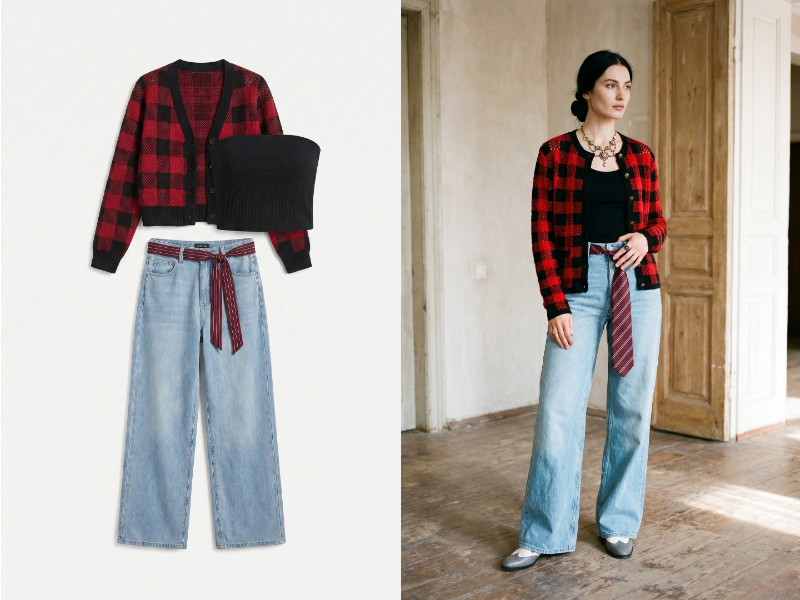
How We Tested the Best AI Clothes Changer Tools
There are plenty of tools claiming to be the best AI clothes changer, but the actual experience can vary a lot. Some create stunning images but take too long. Others are fast, yet the clothing fit looks unnatural or overly edited.
To make this list useful, we compared each platform using real-world use cases: casual outfit swaps, fashion content creation, product try-ons, and brand-ready visuals. The goal was simple, find tools people would genuinely want to use again.
1. Realism & Clothing Accuracy
The first thing we looked at was whether the new outfit actually looked believable. Good tools should match body shape, pose, and proportions without awkward stretching or strange folds.
2. Speed & Ease of Use
Some apps generate results in seconds, while others need multiple retires. We considered how quickly users could go from upload to final image.
We also tested the interface itself. If a tool is confusing or requires too many steps, most users will leave before getting a good result.
3. Output Quality
Not every AI image is usable. We reviewed image sharpness, lighting consistency, texture detail, and whether the final result looked polished enough for sharing or business use.
For example, a casual user might accept a fun result, but a brand needs simething much cleaner.
4. Pricing & Overall Value
Many tools offer free trials, but paid plans differ a lot. Some charge per image, while others use monthly credits.
We compared whether the price made sense based on output quality, speed, and features. Expensive tools need to earn that price.
5. Best Use Case Fit
Not every tool need to do everything. Some are best for online shoppers, others for creators, and some for designers or e-commerce teams.
So instead of forcing one winner, we also ranked tools by who they serve best. That often matters more than raw features.
10 Best AI Clothes Changer Tools (Tested)
Here are the standout AI clothes changer tools that made our list. Each one brings something unique to the table, whether it’s speed, realism, ease of use, or creative features. We’ll break down the key features and why these tools stand out in the crowded AI fashion landscape.
1. Fashion Diffusion
Fashion Diffusion is a standout tool for designers and content creators who need more than just virtual try-ons. It allows users to generate entire outfits, explore creative fashion concepts, and simulate different fabrics and textured. This tool gives a high degree of control over styling, making it a great choice for professional projects.
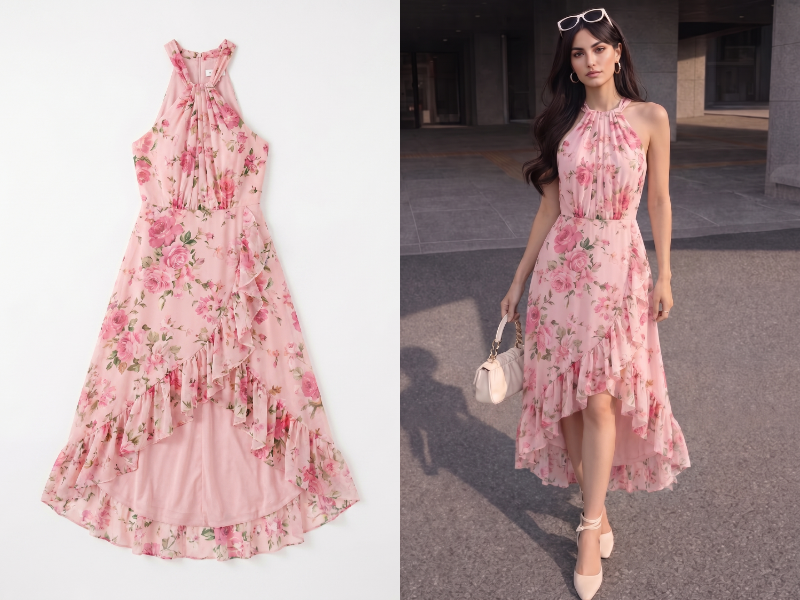
What Makes it Special:
- Ideal for designers creating fashion collections or marketing visuals
- Strong fabric and texture simulations for realistic garment appearance
- Customizable AI prompt for precise control over design.
Fashion Diffusion is more than just a virtual try on tools, it’s an AI-powered platform for complete outfit creation and digital fashion exploration, perfect for professional fashion workflows.
2. FASHN AI
FASHN AI excels in offering highly accurate and fast virtual try-ons, ideal for e-commerce brands looking to enhance their shopping experience. It’s designed to make the process of showcasing products seamless, providing customers with a realistic idea of how clothes will fit and look.
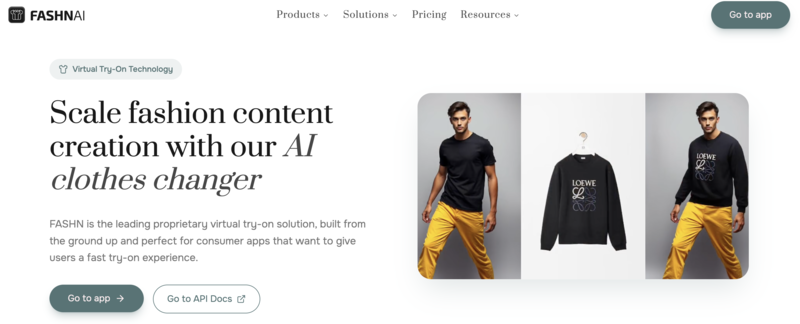
What Makes it Special:
- Quick and efficient virtual try-on technology
- Customizable body types for diverse model representation
- Seamless integration with e-commerce platforms for real-time updates
With a focus on accuracy and speed, FASHN AI helps streamline their virtual fitting rooms, making it an essential tool for brands with large product catalogs.
3. KLING AI
KLING AI is perfect for social media creators who need quick and visually appealing outfit changes for their content. With its simple interface and fast output, it’s a great choice for influencers or content creators looking to stay on top of trends without spending hours on editing.
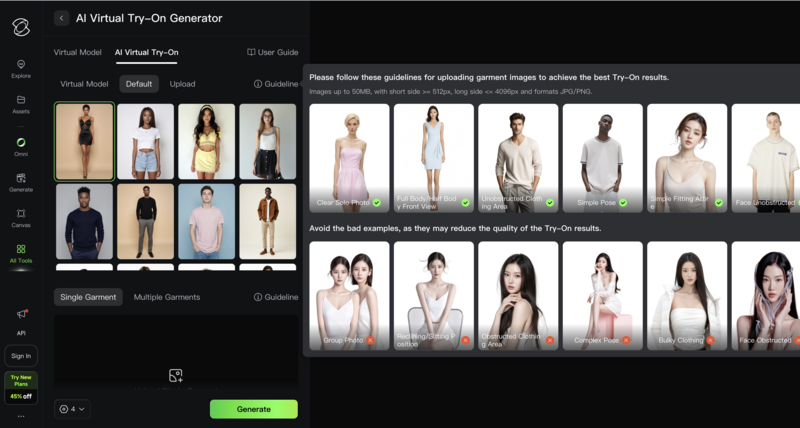
What Makes it Special:
- Super-fast outfit generation for social media content
- Focus on trendy styles that resonate with younger audiences
- Easy-to-use interface that requires no technology skills
KLING AI allows content creators to quickly test multiple outfits, making it the go-to choice fro generating fast, dynamic fashion content without the need for professional photo shoots.
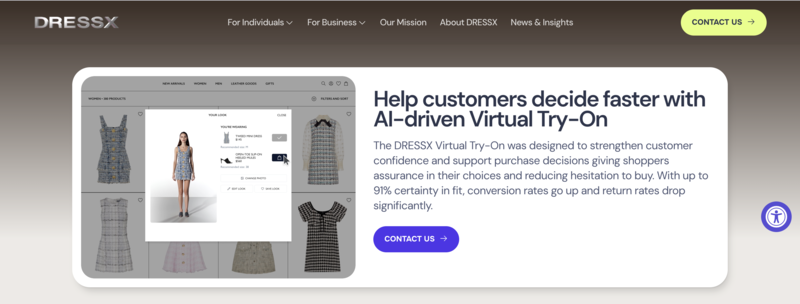
4. DressX
DressX brings a futuristic twist to the fashion world by focusing on digital-only clothing designed for the metaverse and virtual spaces. It offers users the chance to experiment with digital garments that can be worn in online worlds or featured in social media content.
What Makes it Special:
- Exclusive focus on virtual-only clothing for digital wearables
- Innovative and forward-thinking designs that push the boundaries of traditional fashion
- Integration with virtual platforms and gaming environments
Perfect for those exploring virtual fashion, DressX provides a unique opportunity to engage with the growing world of digital-only wearables.
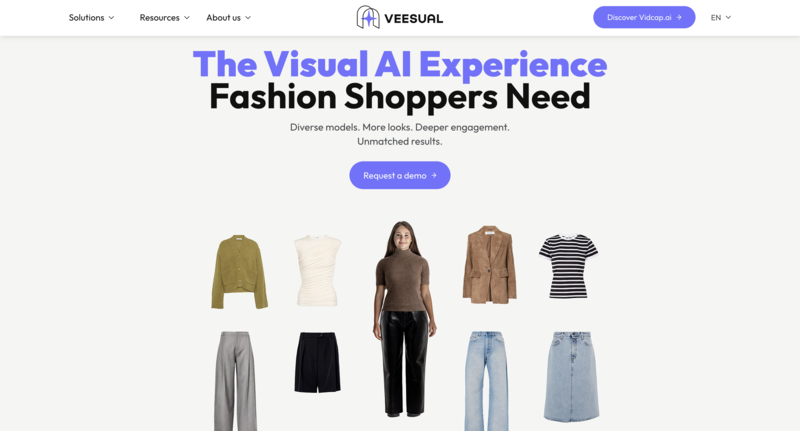
5. Veesual
Veesual is designed for retail brands looking to enhance their customer experience by offering digital model try-ons. It’s a reliable, fast solution for showcasing clothing on models without the need for a photoshoot, making it ideal for large-scale fashion operations.
What Makes it Special:
- Allows virtual try-ons with customizable models of various body types
- Excellent for high-volume e-commerce stores
- Enables quick creation of product images for catalogs
Veesual’s focus on high-volume retail environments makes it a top choice for brands that need to quickly generate multiple outfit images without sacrificing quality.
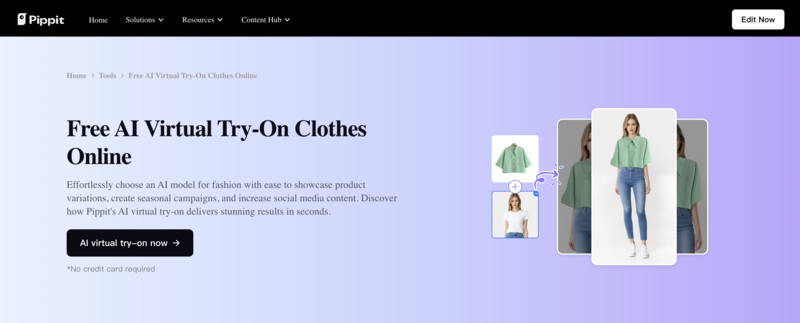
6. Pippit
Pippit is an innovative virtual try-on tool that helps users mix and match outfits from their digital wardrobe. It focuses on allowing users to experiment with different styles and combinations without needing to try on clothes physically.
What Makes it Special:
- Virtual wardrobe management with outfit mixing and matching
- Great for users who want to experiment with various combinations before deciding on an outfit
- Focuses on personal style exploration and fashion creation
Pippit is more than just a virtual try-on tool, it helps users organize their wardrobe digitally and allows for easy outfit experimentation, making it perfect for those who enjoy exploring different styles or want to visualize their closet in a new way.
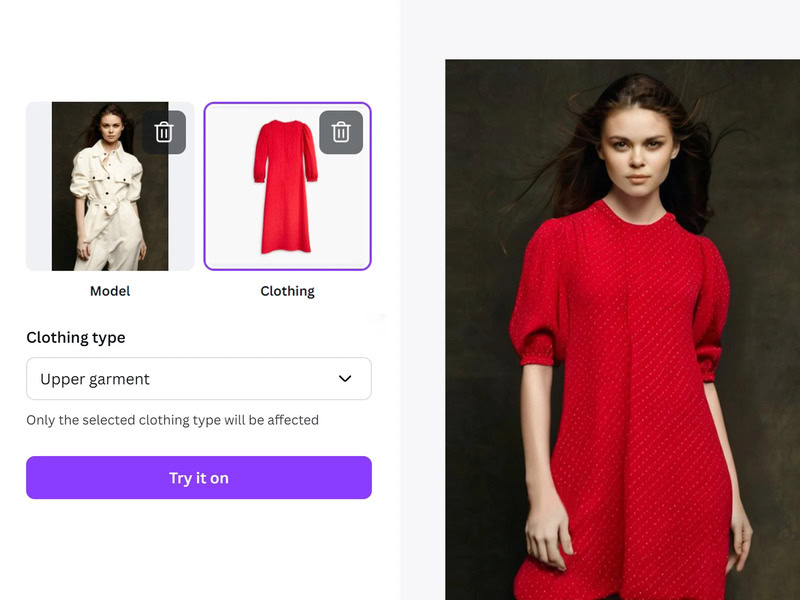
7. Canva
Canva has integrated AI tools that allow users to generate fashion visuals quickly. While it’s not solely focused on virtual try-ons, it lets users create promotional posts, fashion mockups, and more using AI-powered outfit generation features.
What Makes it Special:
- Combines AI fashion tools with Canva’s design capabilities
- Idea for content creators and marketers creating visually engaging fashion posts
- Quick and easy integration with Canva’s other design elements
Canva is perfect for creators who need a simple yet powerful tool to generate fashion-related content without the steep learning curve of more complex software.
8. Airbrush
Airbrush is a versatile mobile app designed to offer quick and accessible virtual try-ons for everyday users. It allows users to try on different outfits virtually with just a few clicks. It’s perfect for those who want to experiment with their wardrobe quickly without the hassle of physical try-ons.
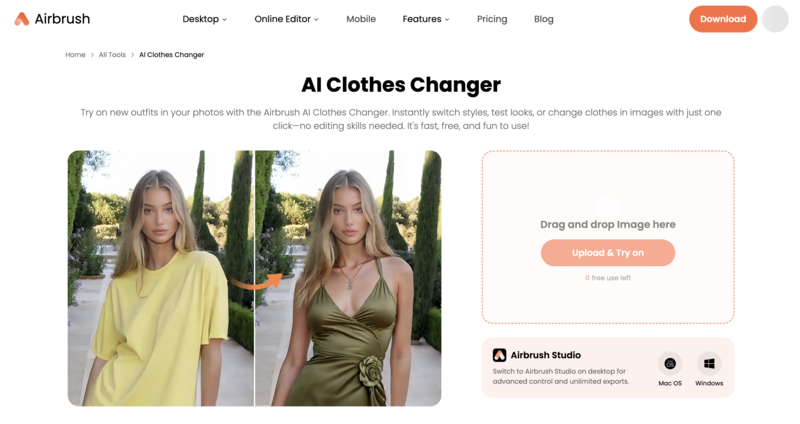
What Makes it Special:
- Quick outfit swaps with real-time results
- User-friendly, mobile-focused interface
- Great for casual users and those on-the-go who want a fast fashion experiment
Airbrush is an ideal choice for users looking for a simple and fun way to try on clothes virtually, especially if they want fast results without needing to spend too much time on complex features.
9. Stylist AI
Stylist AI is a tool focused on personal style recommendations, offering virtual try-ons based on users preferences and body types. It’s a great option for anyone looking for personalized outfit suggestions, as the AI generates curated looks that match your style.
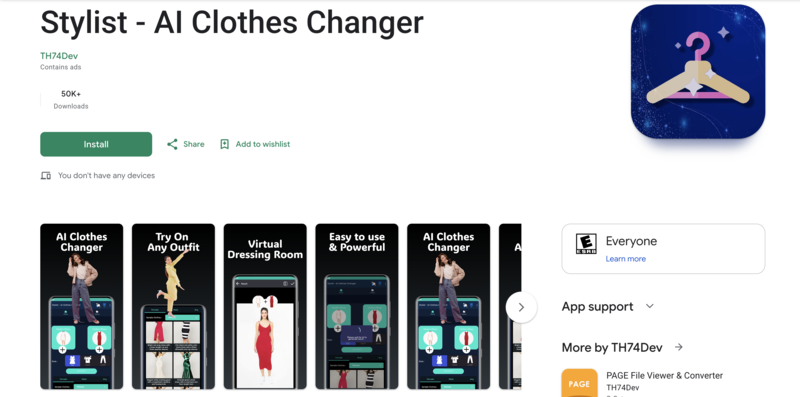
What Makes it Special:
- Personalized style recommendations based on your preferences
- Virtual try-ons that adapt to your body type
- Great for those seeking fashion inspiration or specific outfit suggestions
Stylist AI is perfect for users who want tailored, intelligent styling suggestions that go beyond simple outfit swaps. It’s a great tool fro exploring new looks or getting help building a wardrobe that suits your personal taste.
10. Pincel
Pincel is a designer-focused tool that allows users to create and experiment with fashion designs. Whether you’re working on sketching new garments or testing fabric combinations, Pincel provides the flexibility to visualize concepts before bringing them to life.
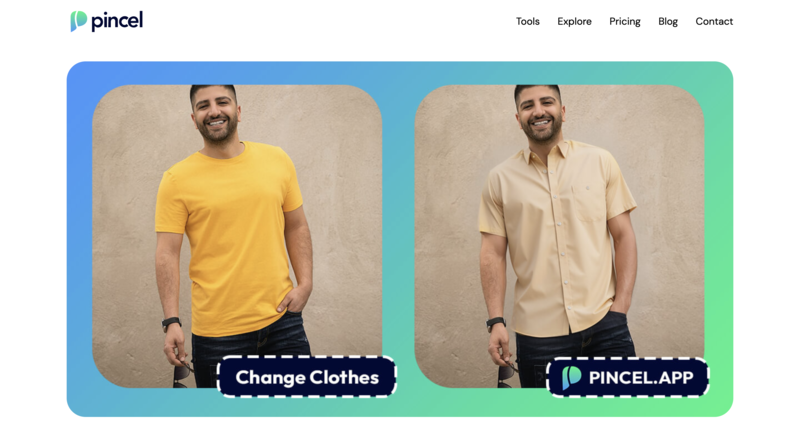
What Makes it Special:
- Focus on fashion design, from sketching to fabric testing
- Offers detailed customization for users to iterate on designs
- Great for designers looking to digitally visualize their concepts
Pincel is perfect for those who want to turn fashion sketch into more polished, digitally rendered designs, making it an essential tool for fashion students and independent designer.
Best AI Clothes Changer Comparison Table
Here’s a comparison table for the Best AI Clothes Changer Tools. This table highlights key features to help you quickly compare the tools and see which one fits your needs best:
| Tool | Key Focus | Ideal For | Key Features | Best For |
| Fashion Diffusion | Fashion design, creative outfit generation | Designers, marketers, content creators | Customizable AI prompts, fabric simulations, high-quality visuals | High-end fashion design & marketing |
| FASHNAI | E-commerce virtual try-ons | Retailers, e-commerce brands | Quick virtual try-ons, model customization, seamless integration with online stores | Retail product visualization |
| KLINGAI | Fast outfit swaps for content creators | Social media influencers, creators | Quick outfit generation, trendy styles, easy-to-use interface | Social media content creation |
| DressX | Virtual-only fashion for the metaverse | Virtual fashion enthusiasts, gamers | Digital wearables, futuristic designs, metaverse integration | Virtual fashion & digital wearables |
| Veesual | Virtual try-on for retail | Online retailers, fashion brands | Customizable virtual models, seamless integration, quick results | E-commerce virtual fitting rooms |
| Pippit | Virtual wardrobe management & outfit creation | Fashion enthusiasts, casual users | Virtual wardrobe, mixing and matching outfits, style exploration | Personal style experimentation |
| Canva | Fashion content creation & design | Content creators, marketers | AI outfit generation, easy-to-use design tools, integration with Canva’s platform | Fashion design & marketing posts |
| Airbrush | Casual virtual try-ons | Casual users, mobile users | Quick outfit swaps, real-time try-ons, user-friendly mobile interface | Quick fashion experiments on mobile |
| Stylist AI | Personalized outfit suggestions & virtual try-ons | Fashion explorers, style seekers | Personalized styling, virtual try-on for body types, curated looks | Personalized fashion recommendations |
| Pincel | Fashion design and garment creation | Designers, students | Outfit sketching, fabric testing, digital design tools | Fashion design & visualization |
This comparison should help you easily identify the best tool based on your specific needs, whether you’re looking for a quick outfit try-on, personalized styling, or full fashion design capabilities.
Best AI Clothes Changer Tools for Different Use Cases
Not all AI clothes changers are created equal. Depending on your specific needs, whether you’re a fashion designer, content creator, or e-commerce retailer, different tools will suit you better. Here’s a breakdown of which tools are best for different scenarios:
1. Best for Fashion Designers:
Fashion Diffusion
Great for exploring and generating complete outfits with custom prompts. Ideal for designers working on collections or campaigns with a focus on creativity and fabric simulations.
Pincel
Perfect for sketching and testing digital designs. Allows designers to experiment with fabrics and garment structures before physical creation.
2. Best for E-commerce Retailers:
FASHN AI
A fast and accurate virtual try-on tool, great for e-commerce platforms. It integrates seamlessly with online stored, improving the shopping experience.
Veesual
Perfect for online retailers with large catalogs. Quickly generates virtual try-ons across models and integrates well into product pages for an enhanced shopping experience.
3. Best for Content Creators:
KLING AI
Fast outfit changes for influencers and creators. The app’s trendy looks and quick result make it ideal for social media content creation.
Airbrush
Simple, quick virtual try-ons for content creators on the go. Great for mobile users who want fast, fun outfit experiments for social media.
4. Best for Fashion Exploration:
Stylist AI
Offers personalized outfit recommendations and virtual try-ons based on your preferences and body type. Ideal for exploring new styles and building cohesive wardrobes.
Pippit
A digital wardrobe management tool that allows users to experiment with various outfit combinations and discover new styles without buying new clothes.
5. Best for Virtual-Only Fashion and Metaverse:
DressX
For virtual fashion lovers, DressX offers digital-only garments for the metaverse. Perfect for exploring the future of fashion in digital spaces.
Why Fashion Diffusion Deserve a Spot on this list
Fashion Diffusion stands out in the AI clothes changer category due to its unique combination of creativity, flexibility, and professional-grade features. It’s not just about virtual try-ons; it’s a comprehensive tool for fashion exploration and design. Here’s why it deserves a spot on the list:
Creative Control
Fashion Diffusion allows users to generate complete outfits using customizable AI prompts. You can fine-tune the style, fabric, and even the color palette, making it ideal for designers who need complete control over their creative process.
High-Quality Output
Whether you’re designing for marketing campaign or creating a lookbook, the output is polished and realistic, with a high level of detail. The garment simulation, down to texture and fabric, looks lifelike and professional.
Versatility for Multiple Use Cases
Fashion Diffusion serves not only designers but also marketers, content creators, and fashion enthusiasts. Its ability to create compelling fashion visuals makes it perfect for various scenarios, from online marketing to personal styling.
Fabric and Texture Simulations
Unlike many other tools, Fashion Diffusion excels at fabric and texture simulations. This makes it a powerful asset for fashion designers looking to experiment with materials and see how different fabrics interact in a virtual environment.
User-Friendly yet Powerful
Despite its advanced capabilities, Fashion Diffusion is accessible to users with varying levels of expertise. Whether you’re a professional designer or a beginner, the intuitive interface ensures a smooth experience.
With these features, Fashion Diffusion combines creativity and professionalism, making it a top choice for anyone looking to design, experiment with, or market fashion in 2026.
Embrace the Future of Fashion with AI Clothes Changers
AI clothes changers are transforming how we design, shop, and experiment with fashion. From professional designers to everyday users, these tools provide a unique blend of creativity, efficiency, and accessibility. Whether you’re creating stunning fashion visuals, enhancing customer shopping experiences, or exploring new outfits, AI-powered solutions are leading the charge in revolutionizing the fashion industry.
Among these tools, Fashion Diffusion stands out as a must-have for anyone serious about fashion design or content creation. Its ability to generate realistic, customizable outfits with advanced fabric simulations makes it a powerful tool for professionals. Whether you’re designing for a campaign, experimenting with new styles, or visualizing your next collection, Fashion Diffusion offers the control and quality you need. Embrace the future of fashion today and start experimenting with Fashion Diffusion to elevate your creative process.
FAQ
AI clothes changer use advanced computer vision and machine learning algorithms to analyze body shapes, sizes, and textures. They then overlay clothing onto images of users or virtual models, adjusting for fit, color, and fabric details. The technology can also generate outfits from scratch based on user input or trends.
Time-saving: You can try on multiple outfits instantly without needing to physically change clothes.
Convenience: Ideal for e-commerce customers, fashion designers, and content creators who want quick access to fashion visuals.
Personalization: AI can provide tailored outfit suggestions based on personal preferences, body type, and style.
Sustainability: By experimenting with virtual outfits, users can reduce physical waste, which is especially beneficial for fashion designers and brands.
AI clothes changers are designed for users of all skill levels. Fashion designers and marketers use them for professional tasks, but casual users can also enjoy experimenting with their wardrobe or finding outfit inspiration without needing specialized knowledge.
No, while many AI clothes changers focus on virtual try-ons for customers and e-commerce, others are used for creating digital fashion designs, testing different fabrics, or generating promotional content. The range of uses varies by tool, from fashion creation to shopping experiences.
Yes. AI tools allow users to create and visualize custom clothing designs. These tools let designers experiment with different styles, fabrics, and textures to bring their concepts to life digitally before committing to physical samples.


