Create faster in the app
Create faster in the app

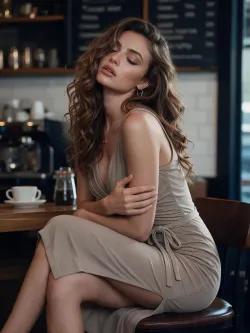
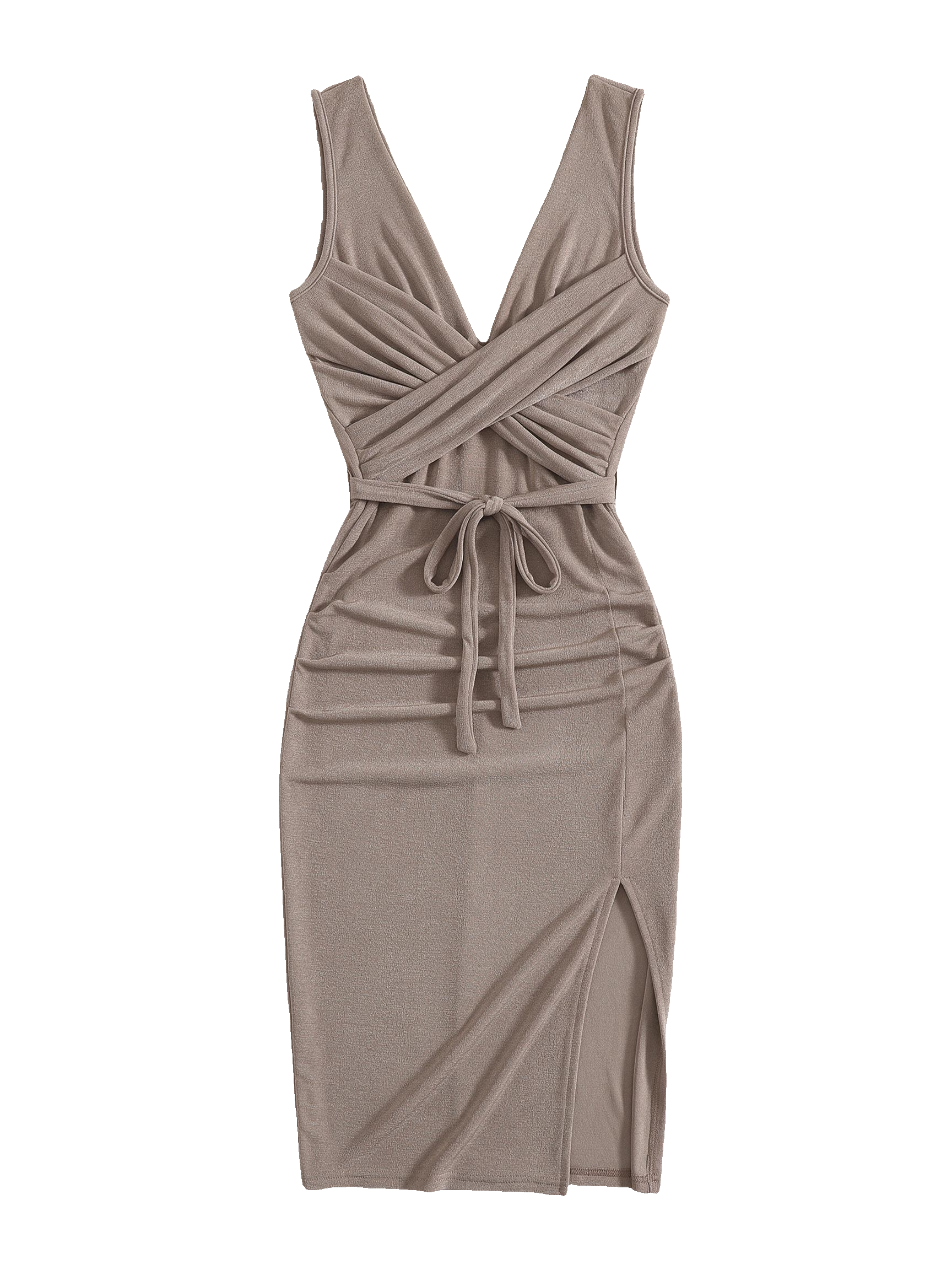
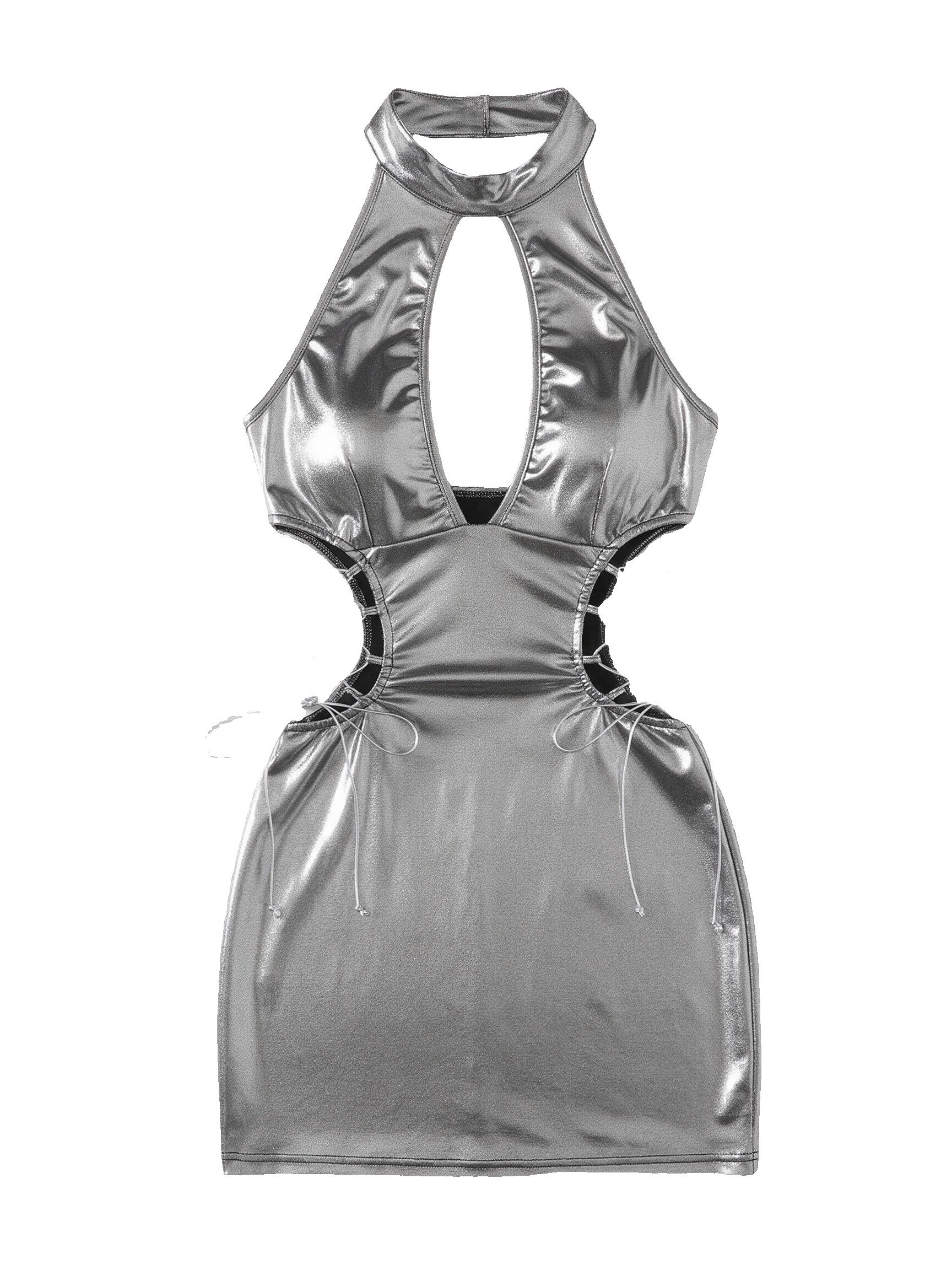
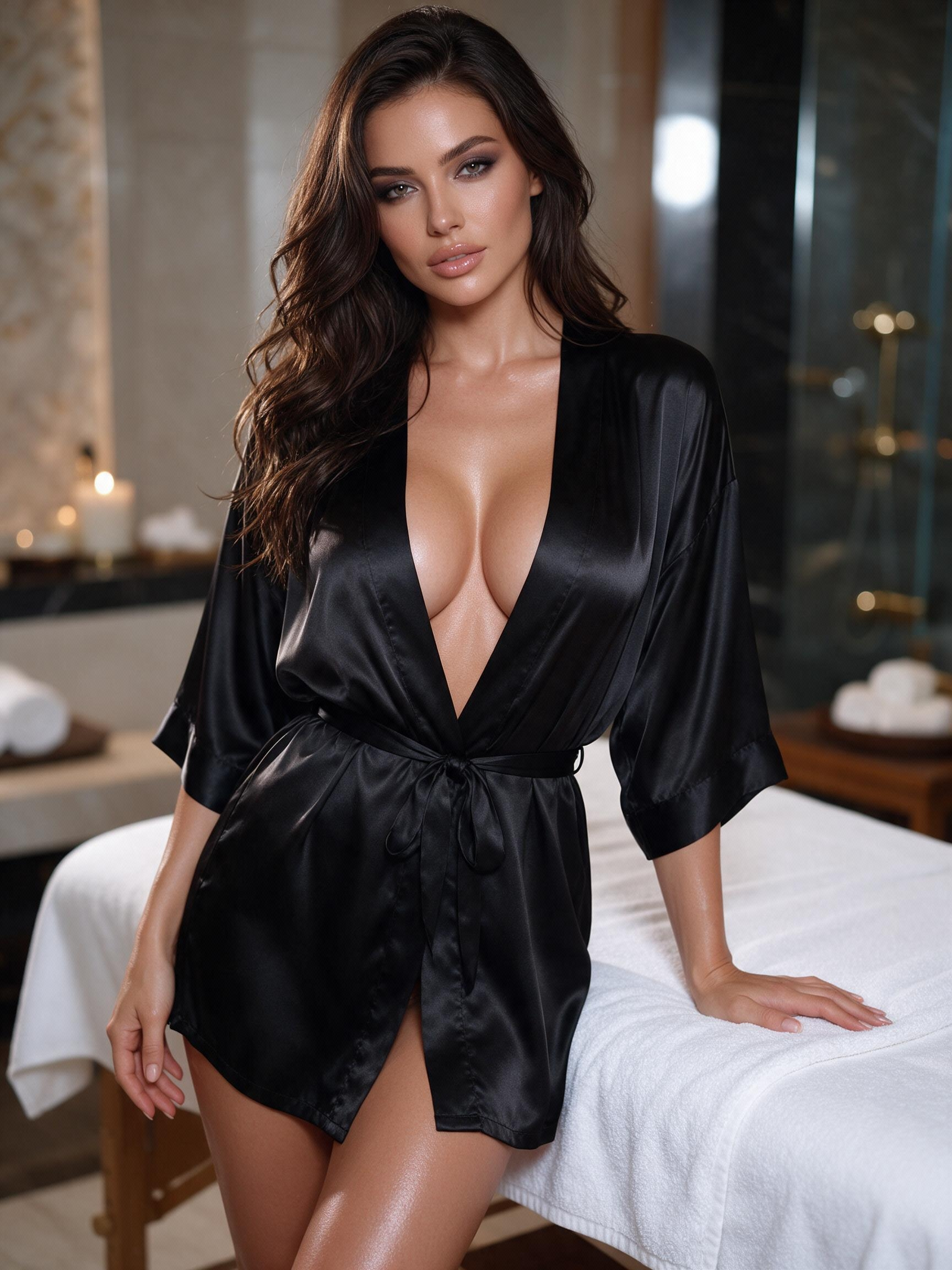
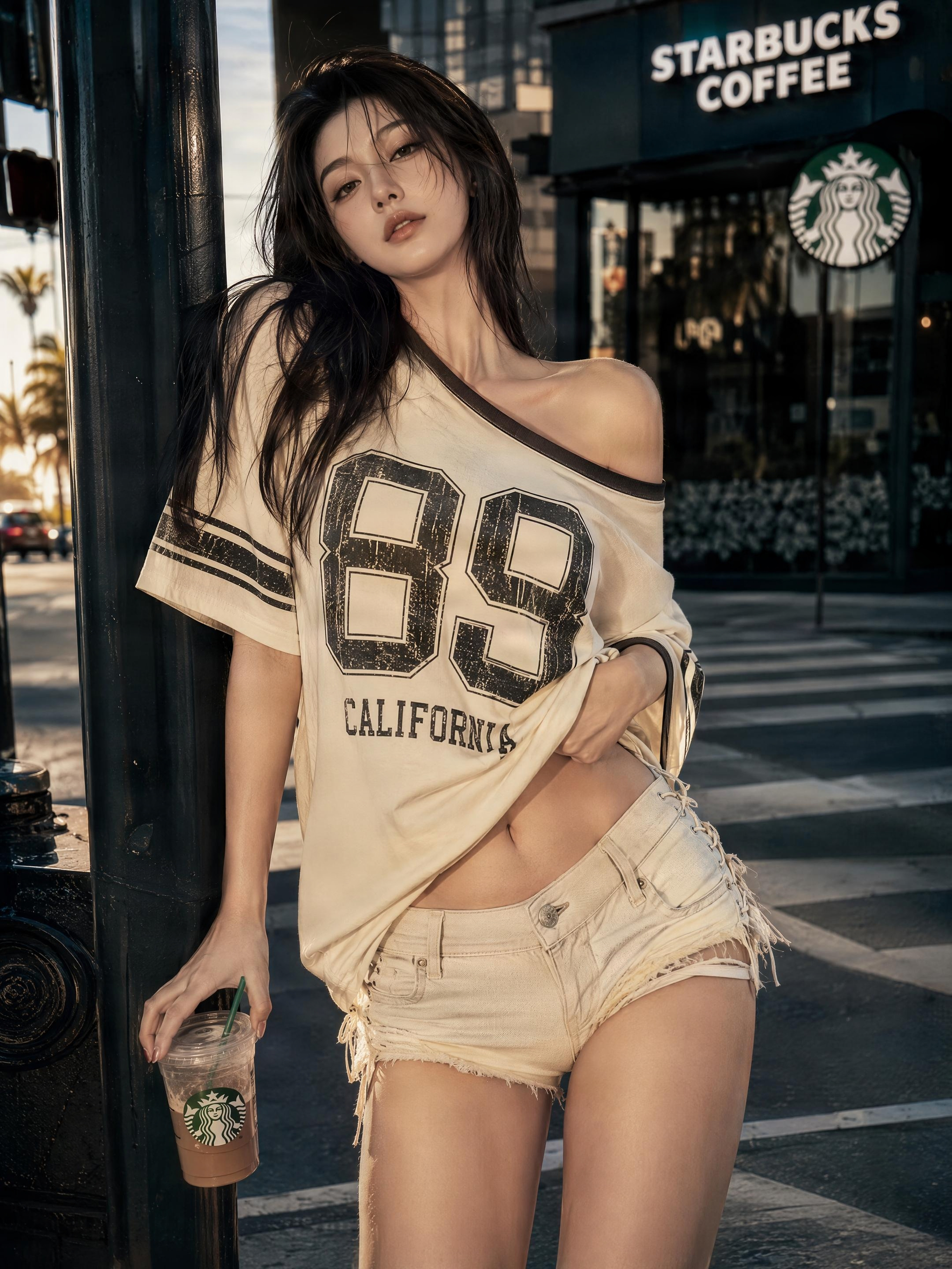
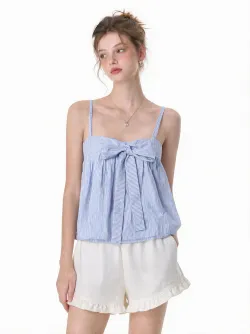
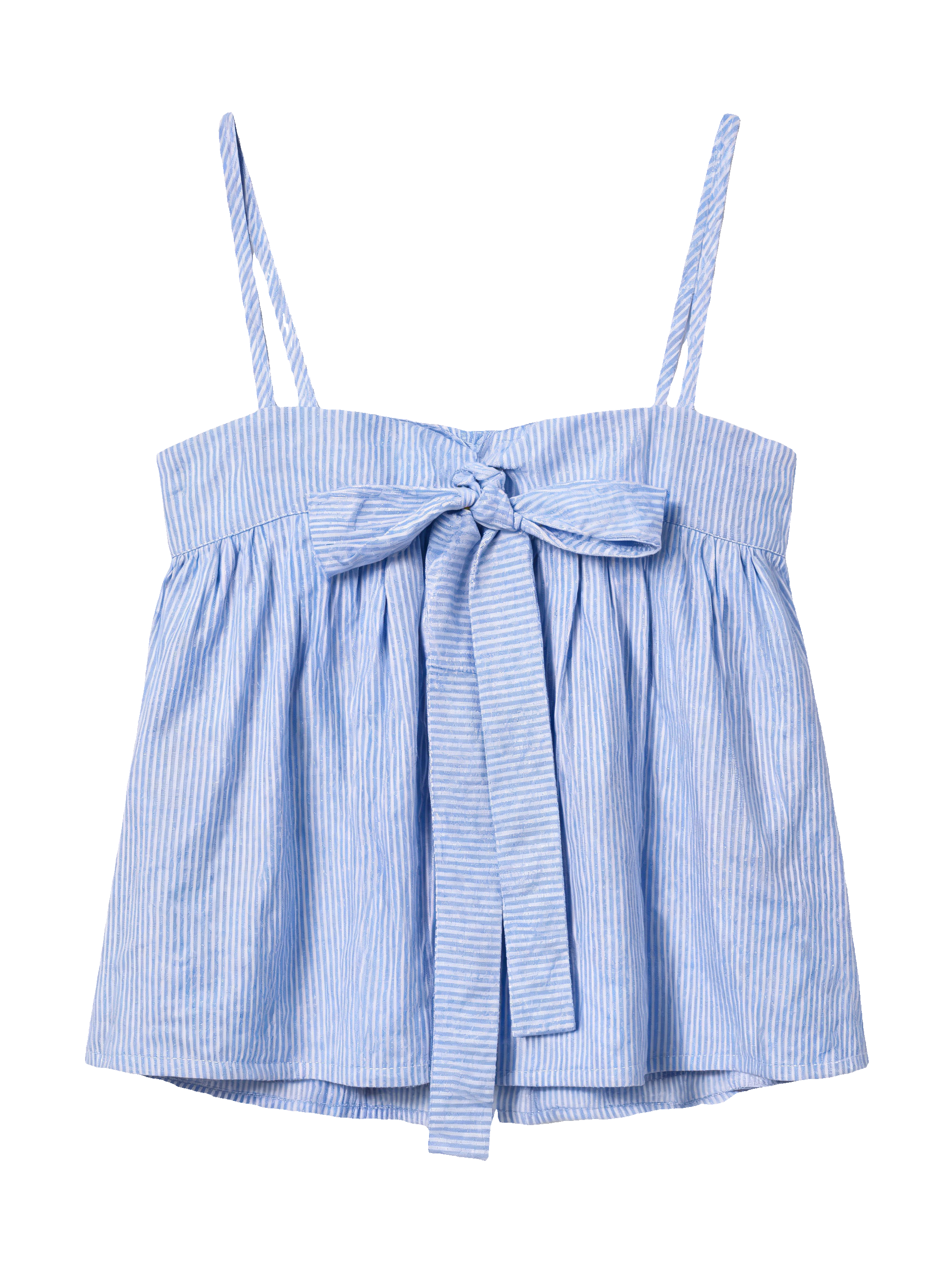
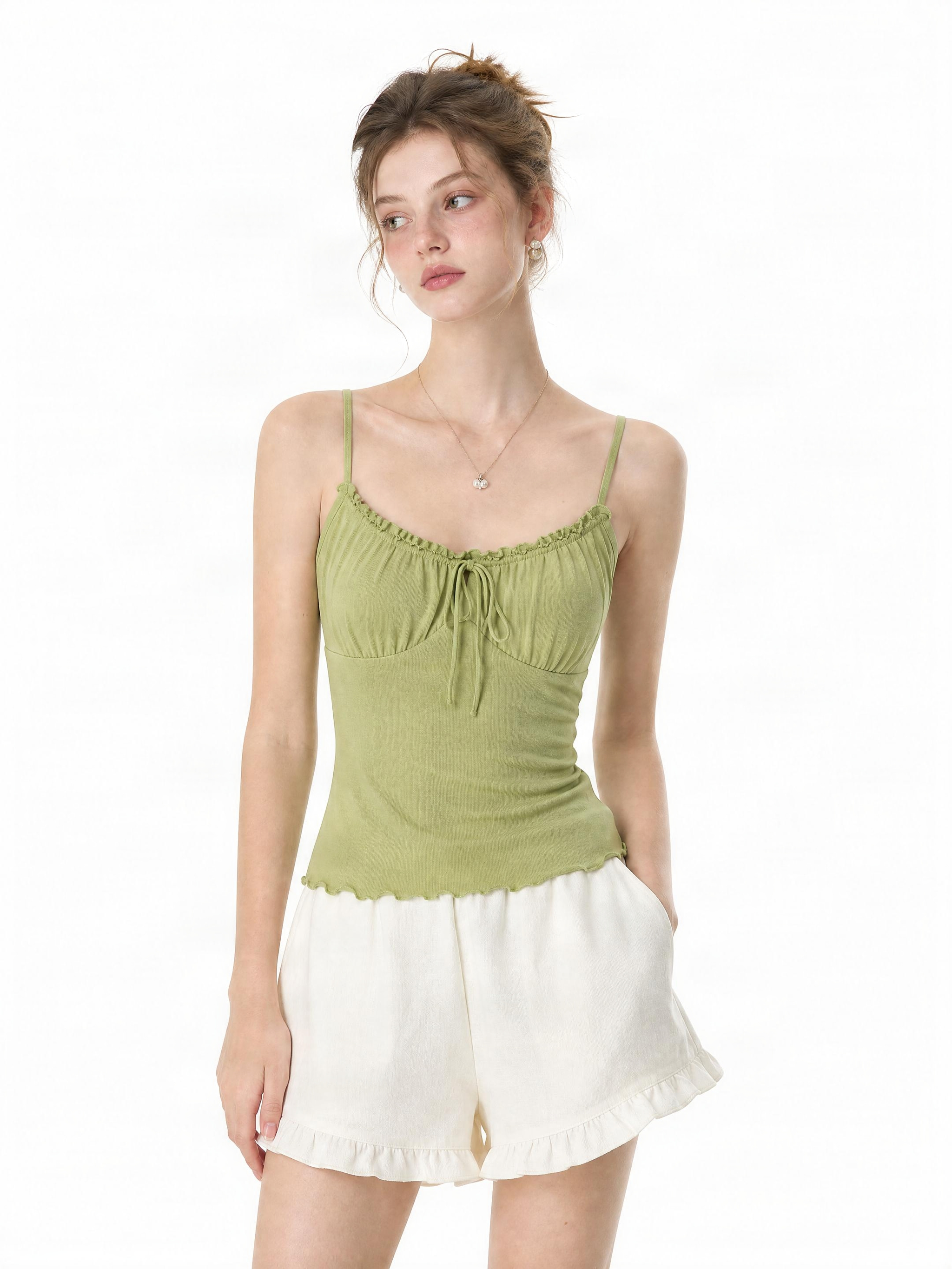
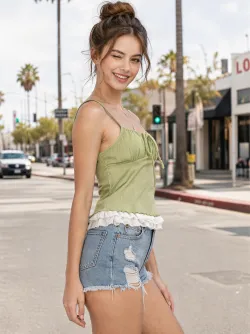
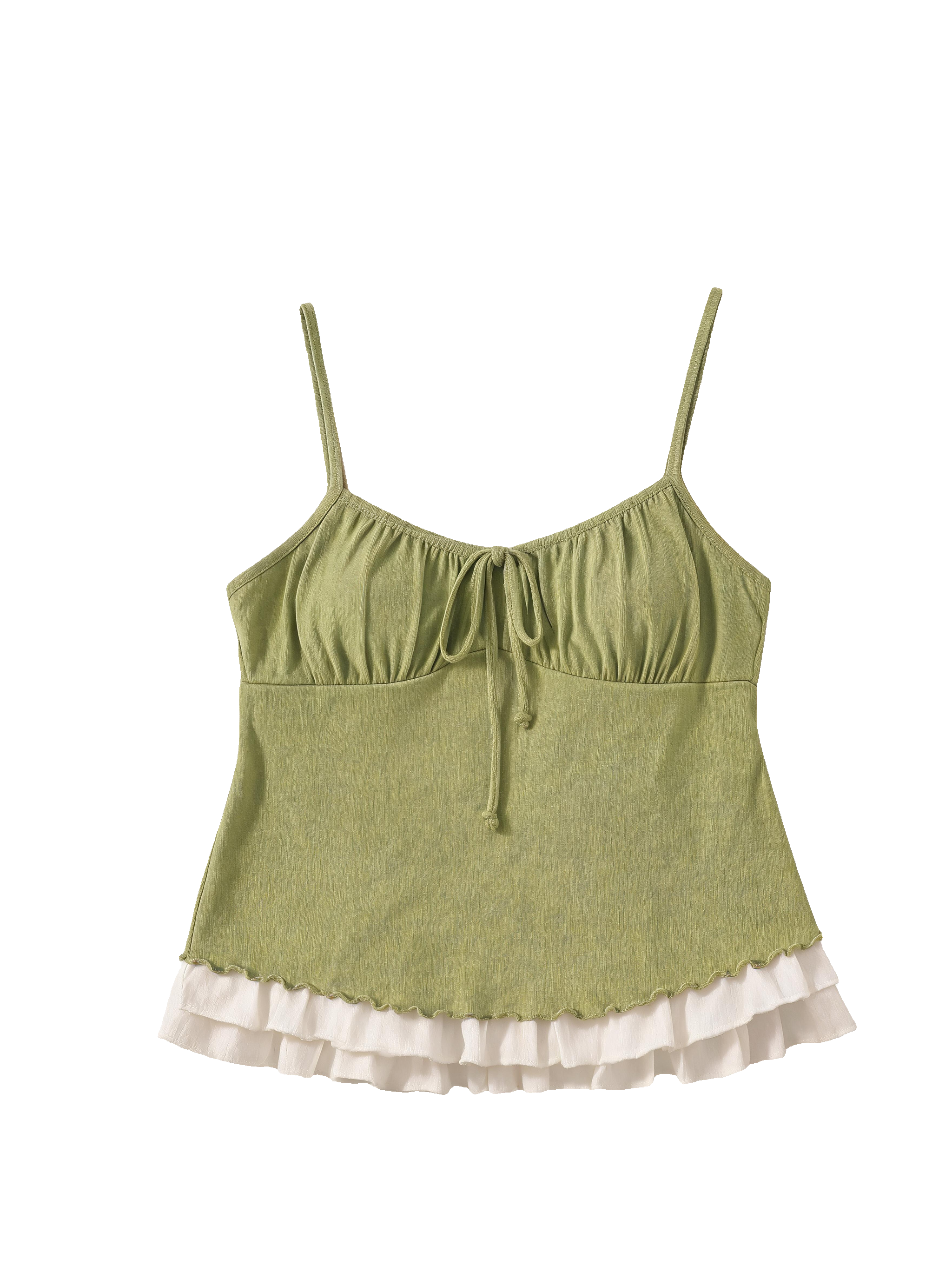
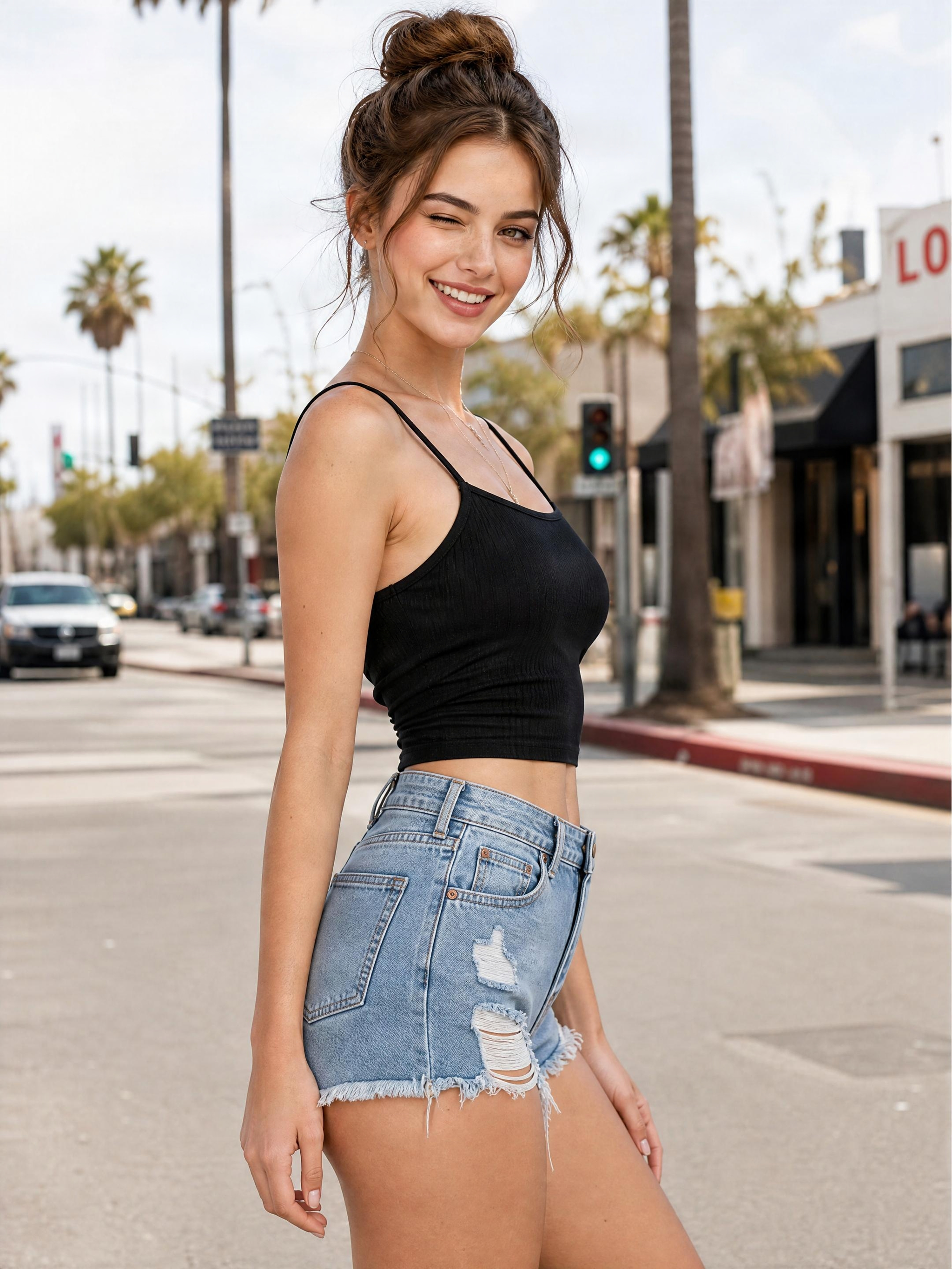
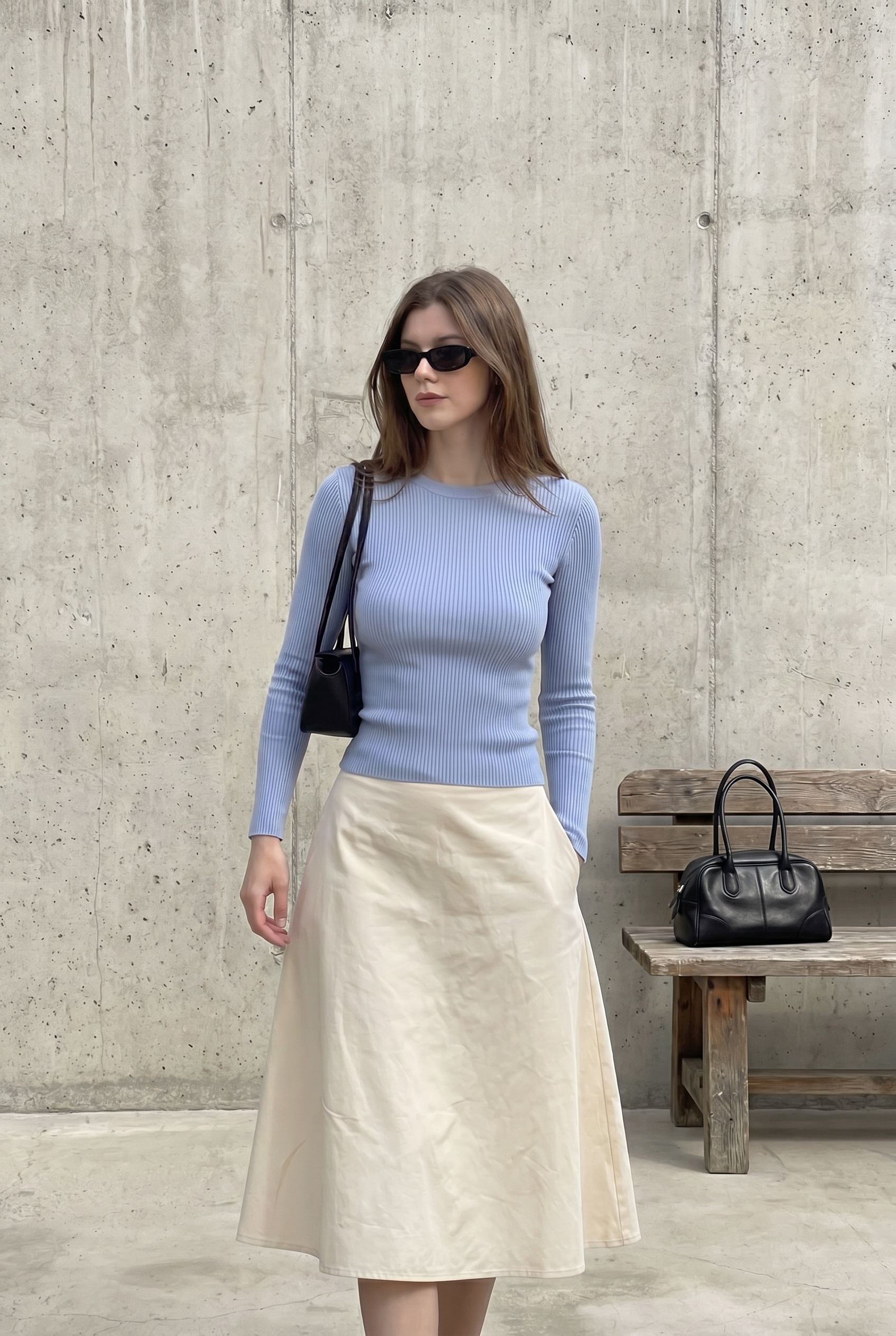
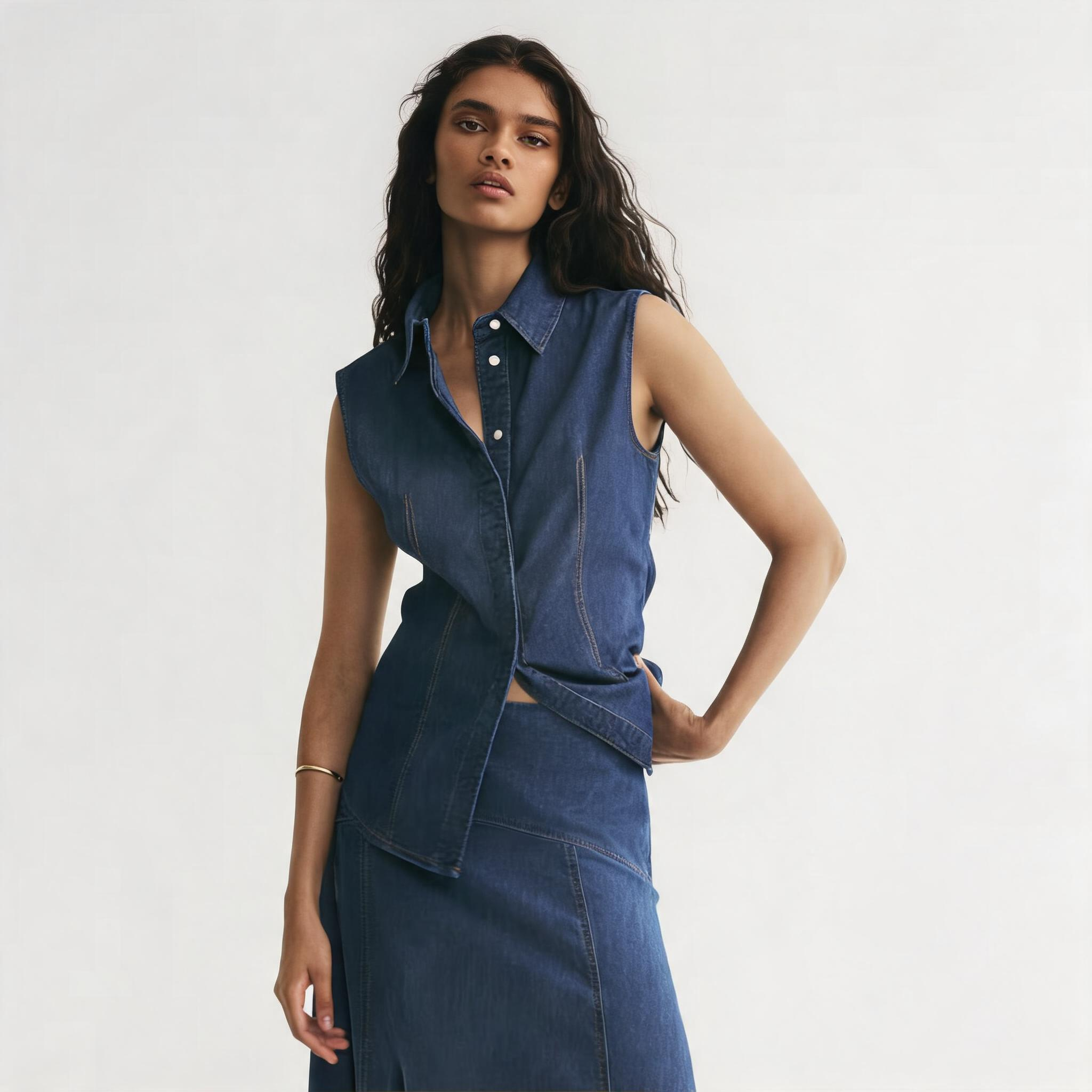
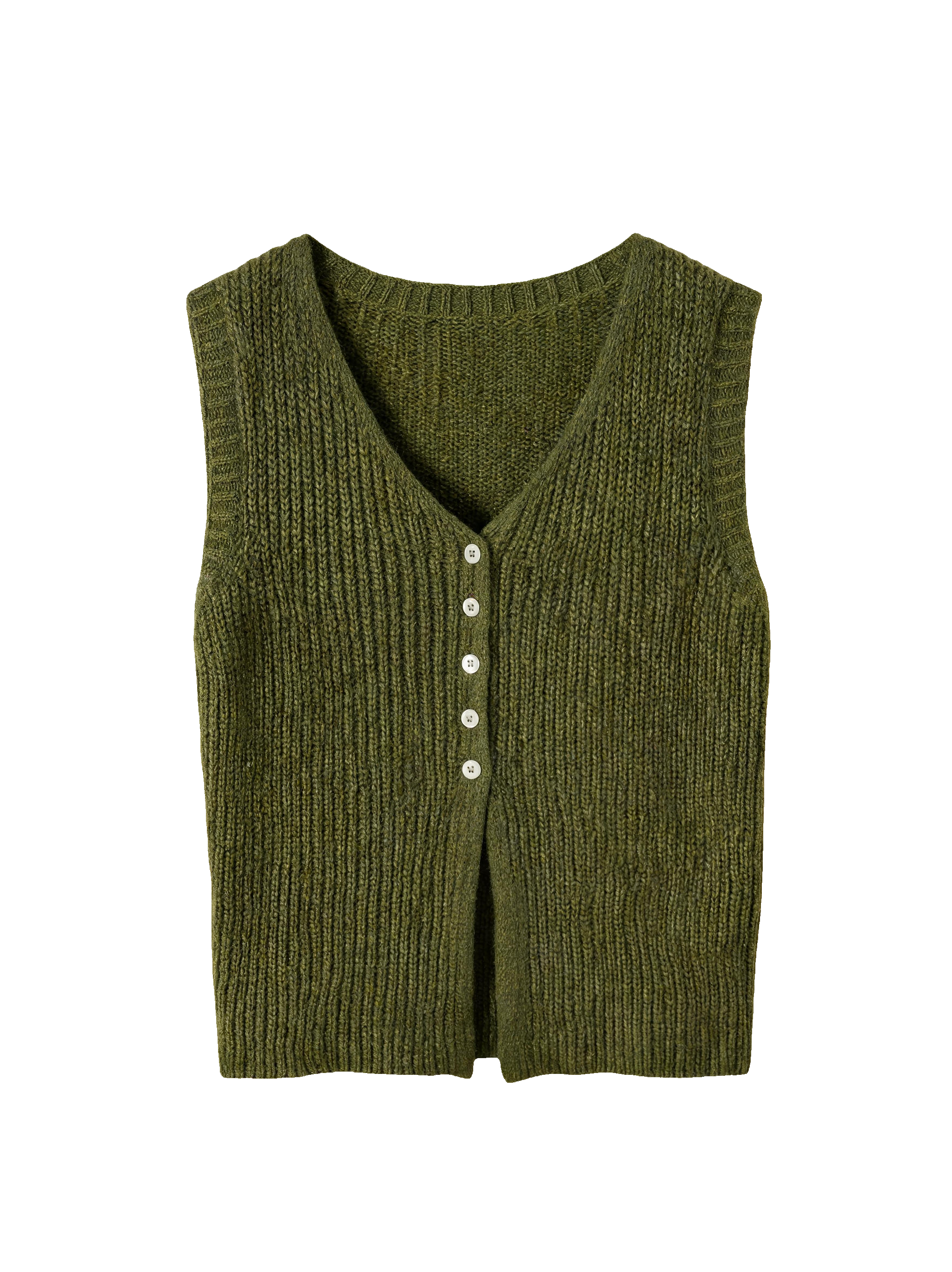
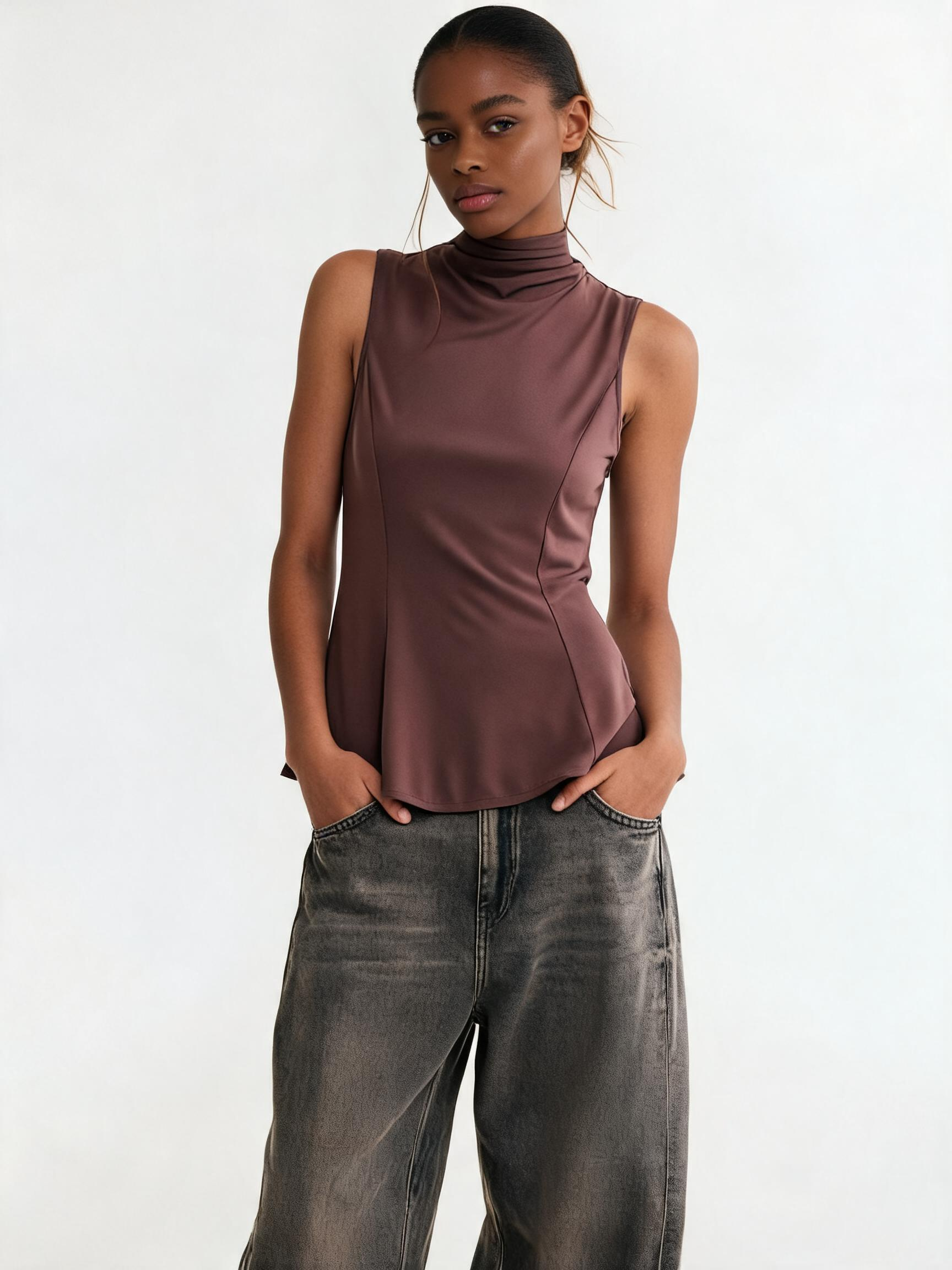
Upload a garment photo, product image, or accessory shot, then upload a model photo — and the AI places your product onto the model with realistic fit, natural draping, and accurate detail in seconds. Any product on any model, without a photoshoot or styling session.
No skills needed — turn any clothing photo into an on-model image in under a minute.


The AI interprets how each product would actually sit on the body in the uploaded photo — not a flat overlay, but a realistic placement that accounts for fabric weight, garment structure, and drape for clothing, and natural positioning for accessories, shoes, and bags. Upload any product and any model photo, and the AI adapts the result to the model's body proportions, pose, and lighting automatically.
Try for free
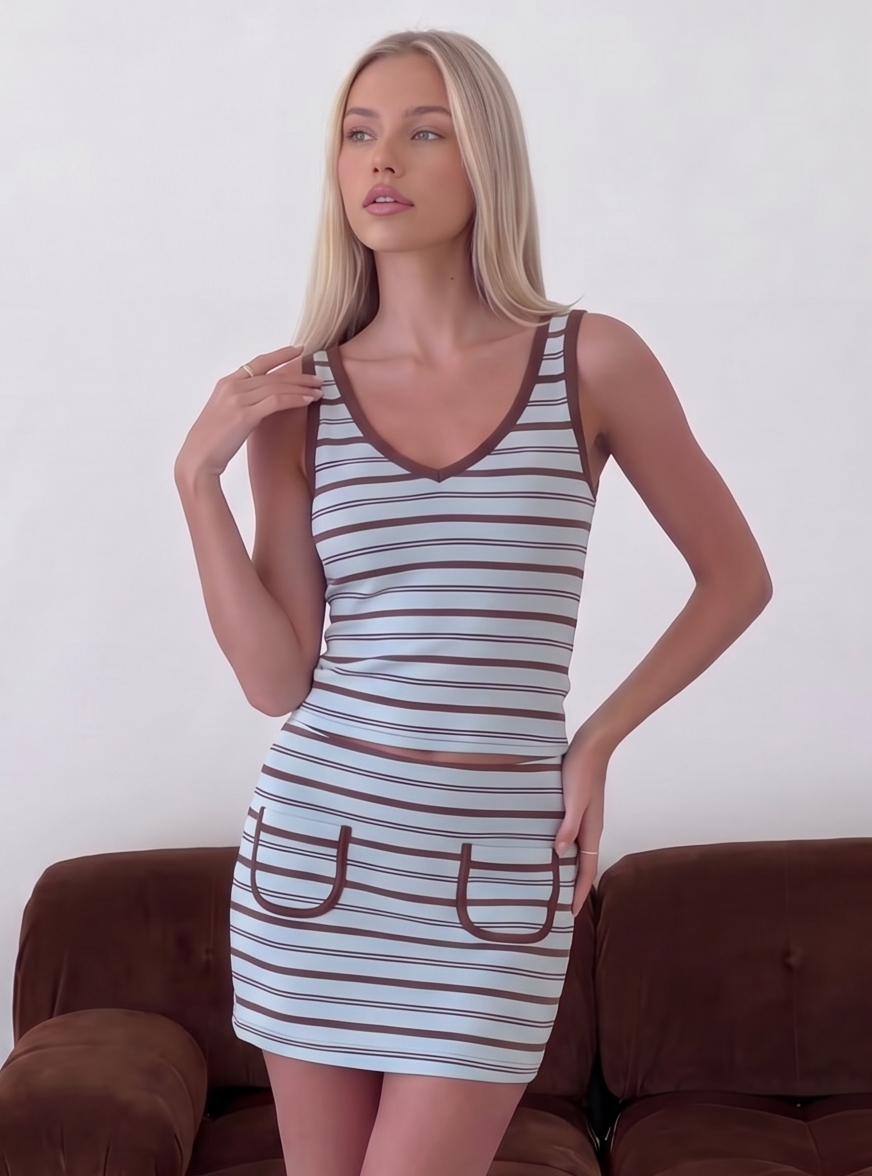
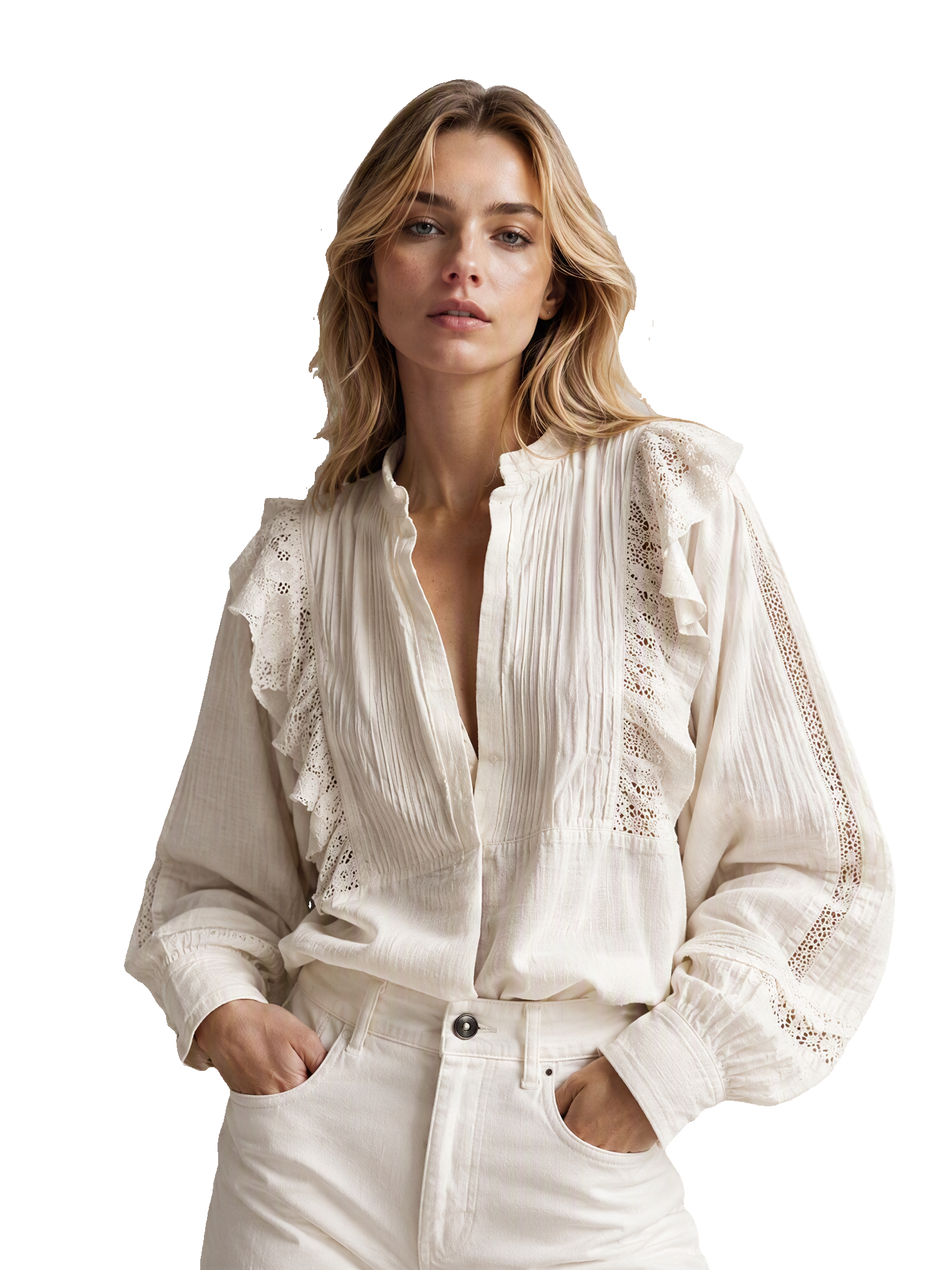
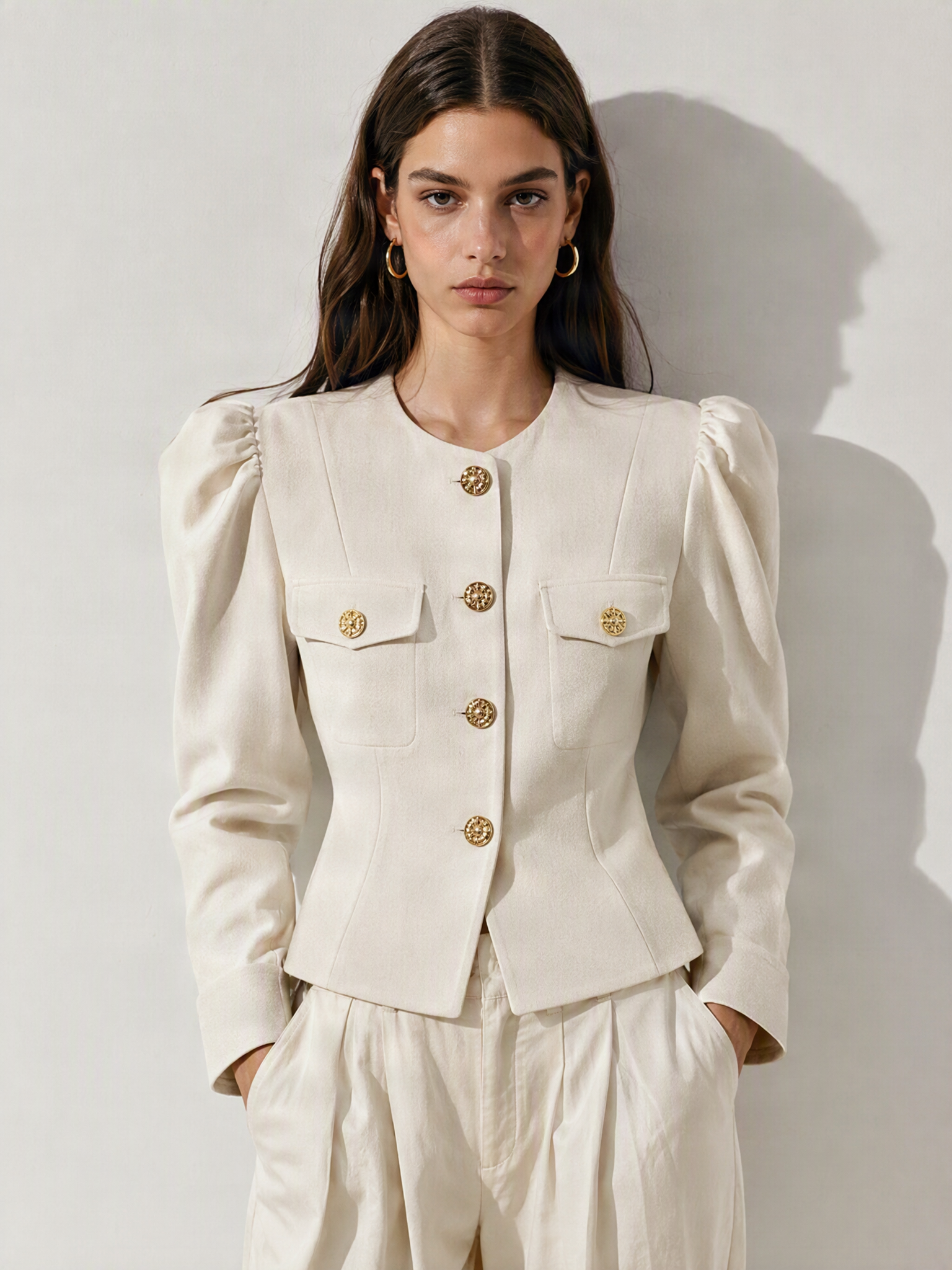
Fabric texture, color accuracy, print placement, seam lines, and construction details are all maintained in the virtual try-on output. What makes your product distinctive stays visible and accurate on the model — the AI shows the garment as it actually is, not a simplified version. This level of accuracy makes the output suitable for product pages, wholesale presentations, and campaign assets where garment representation matters.
Try for free
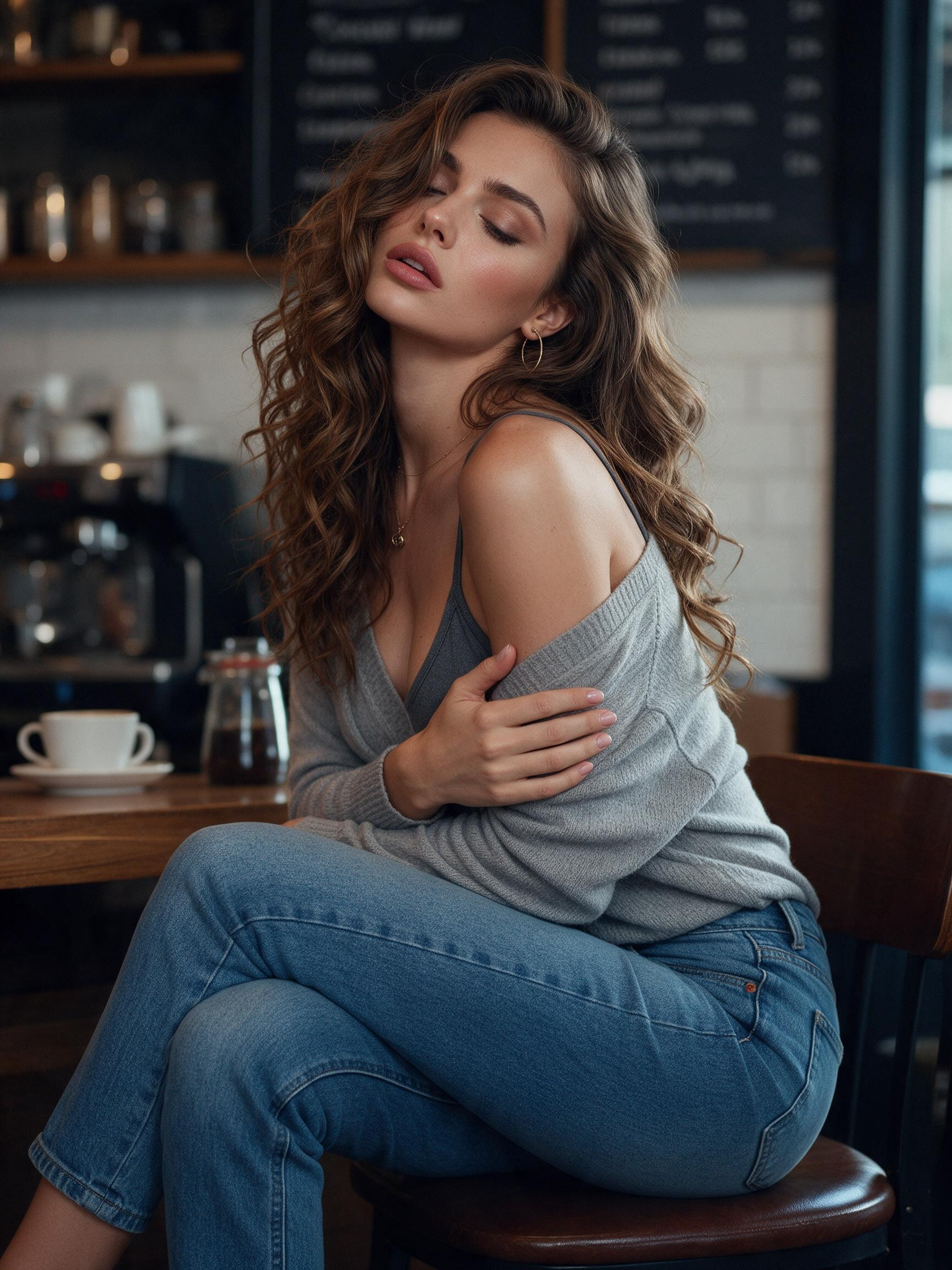
The AI adapts to whatever model photo you upload — a professional studio shot, a lifestyle image, or a customer selfie. Lighting, body proportions, and pose are all matched automatically, so the garment integrates naturally with the model rather than sitting on top of the photo. Use different model photos for different demographics, markets, or campaign directions, all from the same garment image — no reshooting required.
Try for free
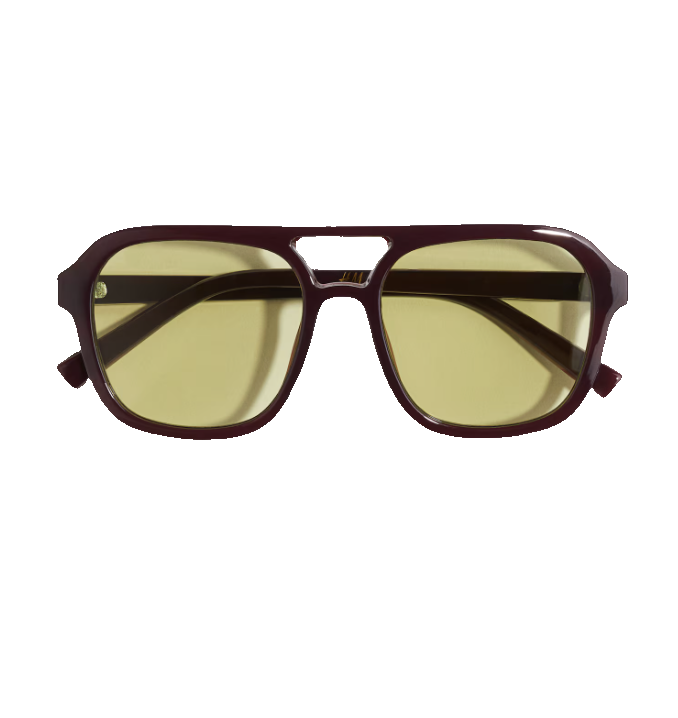
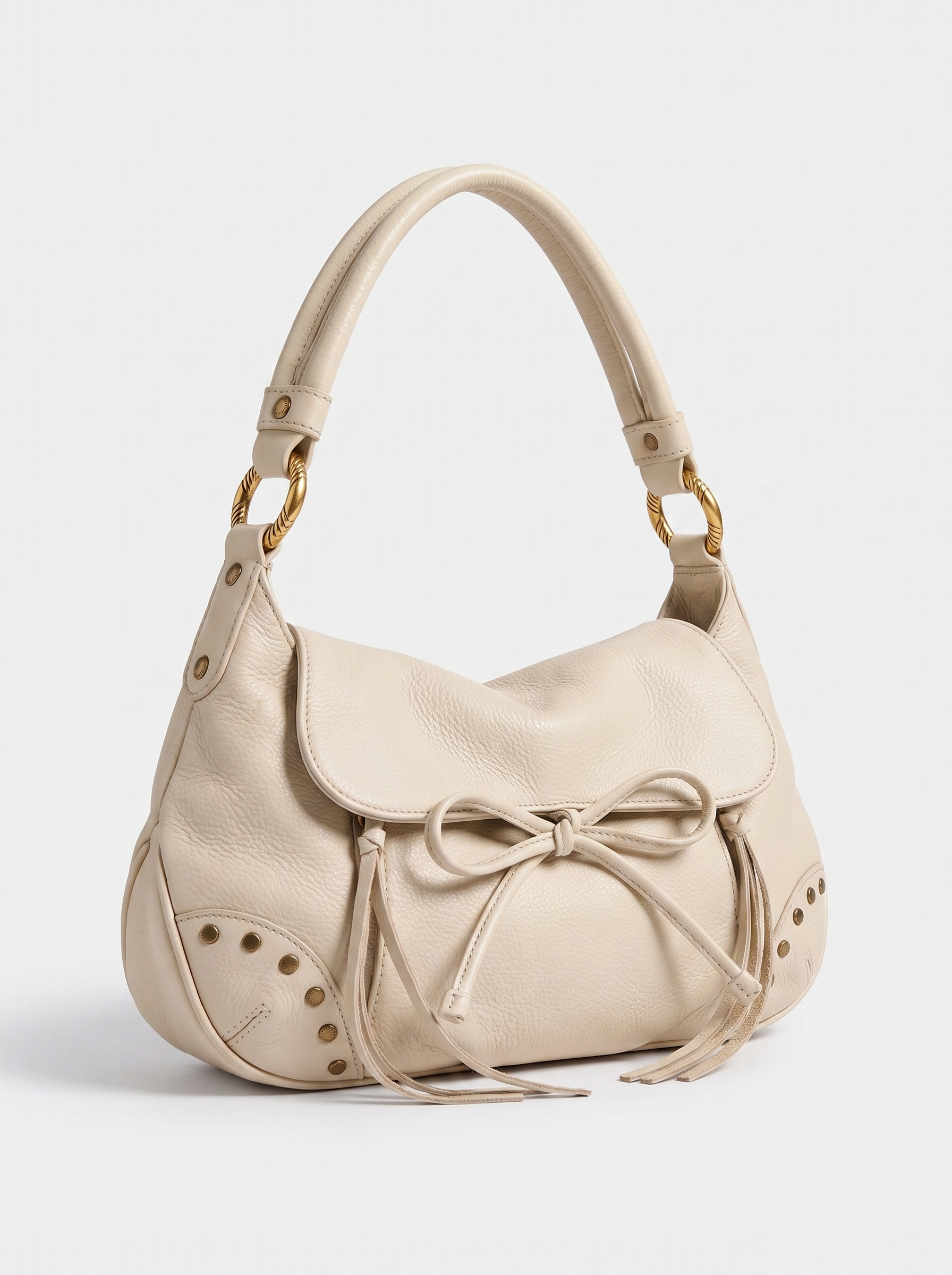
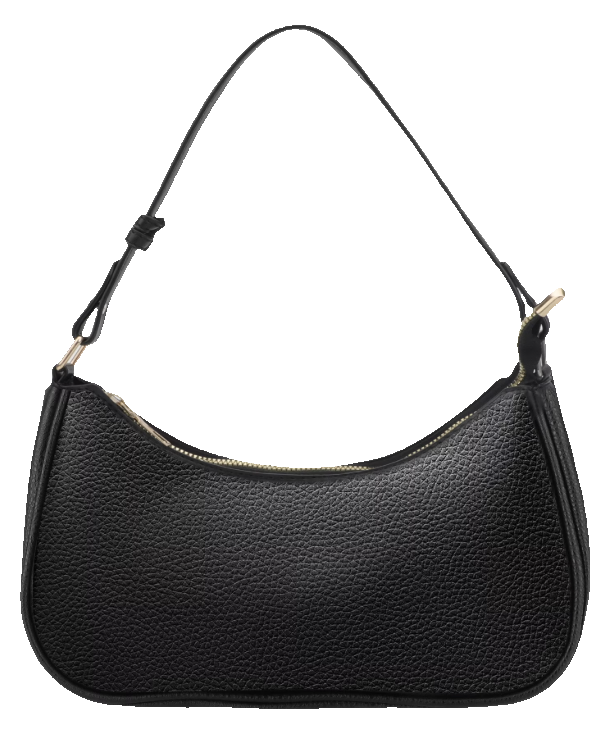
The virtual try-on isn't limited to apparel. Upload any wearable product — a pair of sunglasses, a handbag, a hat, a pair of shoes, or a jewelry piece — and the AI places it on the model with the same accuracy as clothing. The tool understands how different product types sit, hang, or rest on a body, producing realistic placement for every category. One tool covers every product in your catalog, from outerwear and dresses to bags, footwear, and accessories.
Try for freeFrom product listing images to campaign content — the AI virtual fitting room fits every stage of the fashion visual workflow.
Show shoppers how a garment fits and looks when worn — not just how it looks flat. Generate professional on-model photos from a single garment image, making it practical to show every product on a model without booking a photoshoot for each SKU.
Preview how a design looks on a body before producing a physical sample. Upload a render or early product photo, generate a virtual try-on, and evaluate fit, proportion, and styling direction before anything goes into production.
Generate styled on-model images for social media, seasonal campaigns, and lookbook presentations directly from existing product photos. When content needs to move fast, the virtual try-on produces campaign-ready images without the lead time of a traditional shoot.
Buyers evaluate garments faster when they can see them on a body. Generate on-model visuals from existing product photos before buyer appointments or wholesale presentations — giving buyers a clearer picture of how products will present to customers.
Create Like This. Feed any reference — get back images and videos that match the vibe, instantly.
Drastically cut our photoshoot costs and time. Generating multiple model shots from one flat-lay for different campaigns is a game-changer. Highly intuitive to use.

David Chen
E-commerce Manager

Swap any model’s face in seconds to create personalized, on-brand visuals without reshooting.

Replace backgrounds instantly to match your brand style or localize visuals for different markets.

Turn simple product shots into clean, professional flat-lay images ready for e-commerce.

Replace or generate new models from your clothing images with full control over look, pose, and style.

Upscale any fashion image in one click while preserving garment texture, stitching, and print detail.
AI virtual try-on is a technology that places a garment onto a model or photo using artificial intelligence — producing a realistic on-model image without a physical photoshoot. Fashion Diffusion's AI virtual try-on works by analyzing the garment's fabric, texture, and structure, then generating a natural-looking result that shows how the clothing sits on a human figure. The output is suitable for e-commerce listings, lookbooks, and marketing content.
Yes — Fashion Diffusion's AI virtual try-on is free to start online. Upload a flat-lay or product photo, select an AI model, and generate an on-model fashion image at no upfront cost. Free credits are available upon registration. Paid plans are available for higher-volume generation and commercial use.
E-commerce teams use AI virtual try-on to generate on-model product images from flat-lay photos — without booking models, studios, or photographers. A single garment image can be placed on multiple AI models with different body types and skin tones, producing a full set of product listing visuals in minutes. This reduces per-SKU content production cost and makes it practical to keep listings current as inventory changes.
A traditional photoshoot requires model booking, studio rental, a photographer, and post-production — typically several days and significant cost before a single usable image is ready. AI virtual try-on produces on-model fashion photos from an existing garment image in under a minute, at a fraction of the cost. For teams producing content at scale, the difference compounds quickly: what used to require a separate shoot per SKU can now be handled in a single session.
Fashion Diffusion's AI virtual try-on accurately represents garment fit, fabric drape, and texture in the output. The AI analyzes the structure of the uploaded garment and renders it naturally on the selected model — preserving the clothing's actual appearance rather than producing a generic overlay. Results are suitable for direct use in product listings and campaign content without additional retouching.
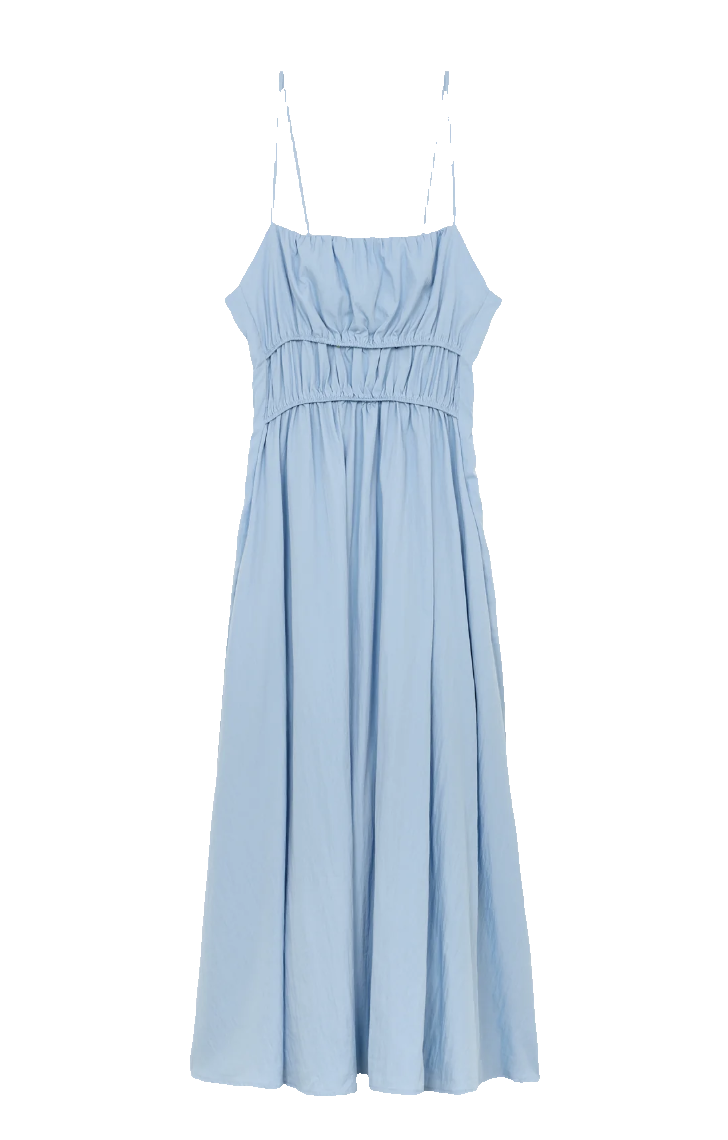
Flat-lay photos and ghost mannequin images both work well as input. The garment should be clearly visible with minimal background clutter. Front-facing shots produce the most accurate results. The AI virtual try-on tool supports tops, dresses, outerwear, bottoms, and full outfits — as well as shoes, bags, and accessories — making it suitable for most womenswear, menswear, and fashion accessory product categories.
Yes. Fashion Diffusion's virtual try-on tool lets you place the same garment on different AI models — varying body type, skin tone, height, and pose. This makes it practical to produce diverse model representation across a catalog without sourcing multiple models or running separate shoots. Each variation is generated independently and is ready for use in product listings or campaign content.