

Imagine turning a simple text description into a full-fledged fashion outfit without sketching, sewing, or photoshoots. In today’s AI-driven world, designers, creators, and fashion enthusiasts can explore endless style possibilities by using outfit prompts.
The quality of your clothing prompt determines how accurate, stylish, and creative the final outfit will be. Well-crafted outfit prompts allow you to experiment with styles, colors, materials, and even the scene in which the outfit is displayed, saving you time and sparking new ideas.
For anyone looking to transform words into wearable fashion, AI fashion design tools like Fashion Diffusion make it possible to bring your outfit prompts to life instantly, turning creative visions into realistic fashion designs.
What Are Outfit Prompts
In the rapidly evolving world of AI fashion design, text-based instructions have become a powerful way to create innovative clothing visuals. These instructions, known as outfit prompts, allow designers and creators to communicate style ideas directly to AI systems.
To be specific, an outfit prompt is a detailed text description that instructs AI on how to generate a fashion design. It typically includes:
- Clothing type (e.g., jacket, dress, streetwear);
- Style or aesthetic (e.g., minimalist, cyberpunk, vintage);
- Materials and textures (e.g., silk, leather, embroidery);
- Colors or palettes (e.g., pastel tones, monochrome);
- Scene or model context (e.g., runway, street photography, studio).
The better your clothing prompt, the more likely the AI will produce an outfit that matches your vision. Poorly written prompts can result in generic or unrealistic designs. Using AI outfit prompts effectively allows designers, content creators, and fashion enthusiasts to maximize the potential of AI fashion design tools.
How to Turn Outfit Prompts into AI-Generated Fashion
Creating a great outfit with AI is not just about writing a clothing prompt. It’s about guiding the AI to generate visuals that match your vision. With tools like Fashion Diffusion’s AI outfit generator, the process becomes straightforward, even for beginners.
1. Start with a Clear Concept
Before typing anything, decide what you want to generate: a casual streetwear look, a futuristic outfit, or a high-fashion gown. Having a mental picture helps you write a more precise prompt and reduces guesswork in the AI output.
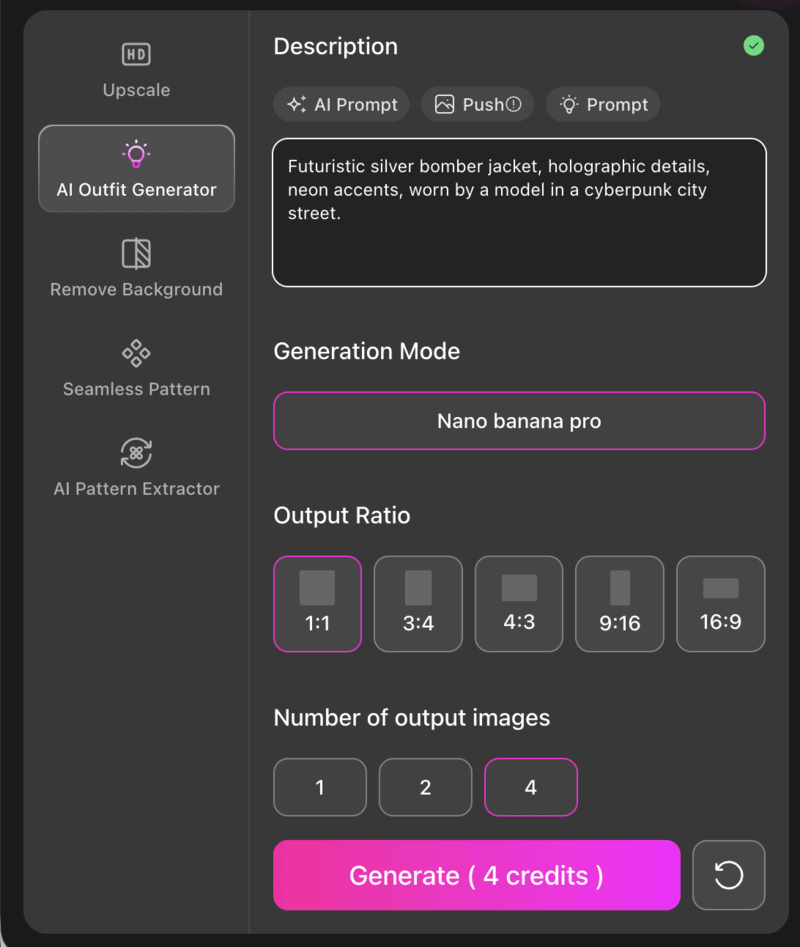
2. Write a Detailed Outfit Prompt
Combine the key elements—clothing type, style, materials, colors, and scene—but focus on creativity rather than repeating definitions.
For example, “Futuristic silver bomber jacket, holographic details, neon accents, worn by a model in a cyberpunk city street.” This prompt gives the AI enough information to generate a visually compelling outfit.
3. Review and Refine the Results
AI-generated images may not always be perfect on the first try. Review the output and identify what works and what doesn’t. Adjust your prompt by adding more details, changing the style, or specifying colors and textures to guide the AI closer to your vision.
4. Experiment with Variations
Don’t hesitate to try multiple prompts or tweak existing ones. You can explore seasonal versions, color variations, or alternative fabrics—all within Fashion Diffusion. Iteration is key to discovering unique fashion ideas quickly.
12 Outfit Prompt Examples for AI Fashion Generation
Explore 12 carefully curated fashion styles, each with a ready-to-use prompt. These outfit prompts are designed to spark creativity and can be used with Fashion Diffusion’s AI outfit generator to instantly bring your fashion ideas to life.
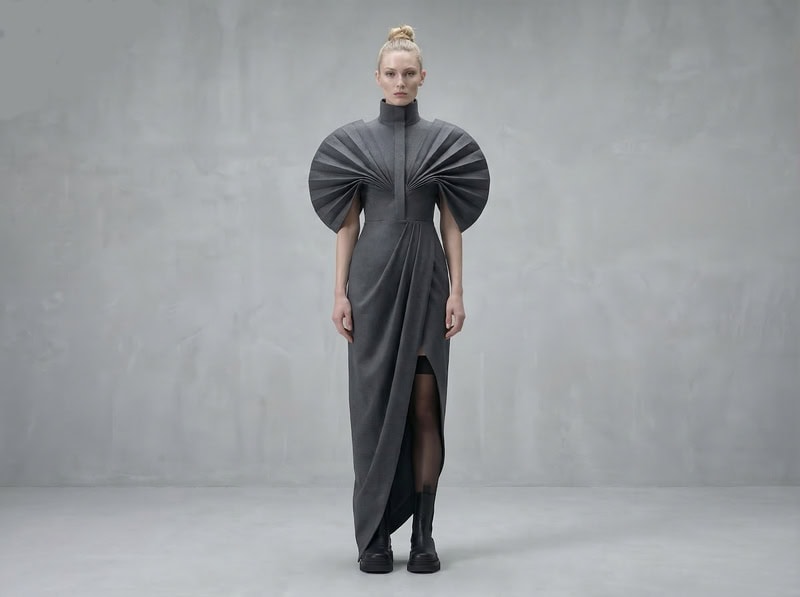
1. Futuristic Elegance
Futuristic elegance is a sleek, forward-looking style that combines metallic textures, minimalist cuts, and neon accents. Ideal for designers exploring sci-fi-inspired collections or runway concepts with a tech-forward aesthetic.
Prompt:
“A model is wearing a gray dress. The dress features a high-neck design with exaggerated ruffle details on the shoulders and an asymmetrical slit hem, revealing one side of her leg. Her hair is tied back, and she poses with an upright posture against a simple gray background. The overall style is futuristic minimalist.”
2. Urban Street Vibes
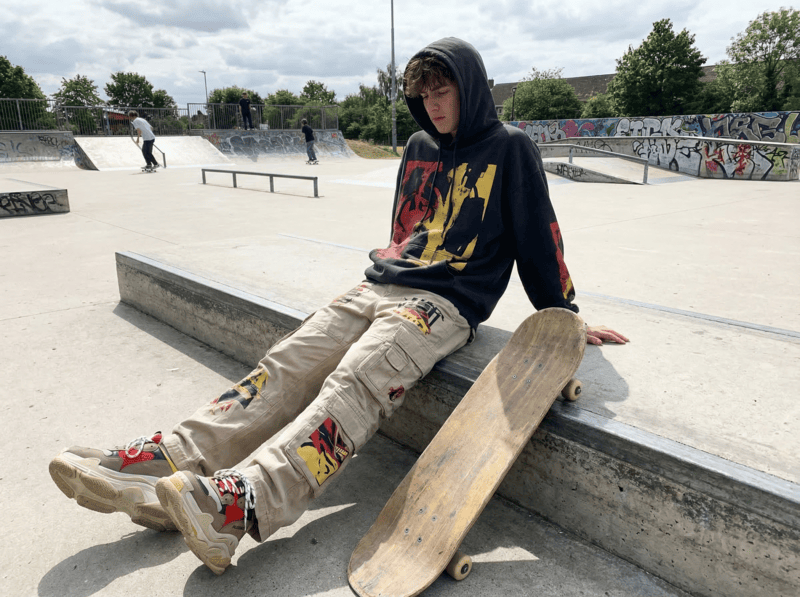
Urban street style is casual, edgy, and youthful; oversized silhouettes and graphic prints dominate. Perfect for streetwear enthusiasts and brands looking to capture a vibrant urban energy.
Prompt:
“Oversized streetwear hoodie and cargo pants, bold graphic prints, chunky sneakers, skateboard park background, relaxed pose.”
3. Minimalist Chic
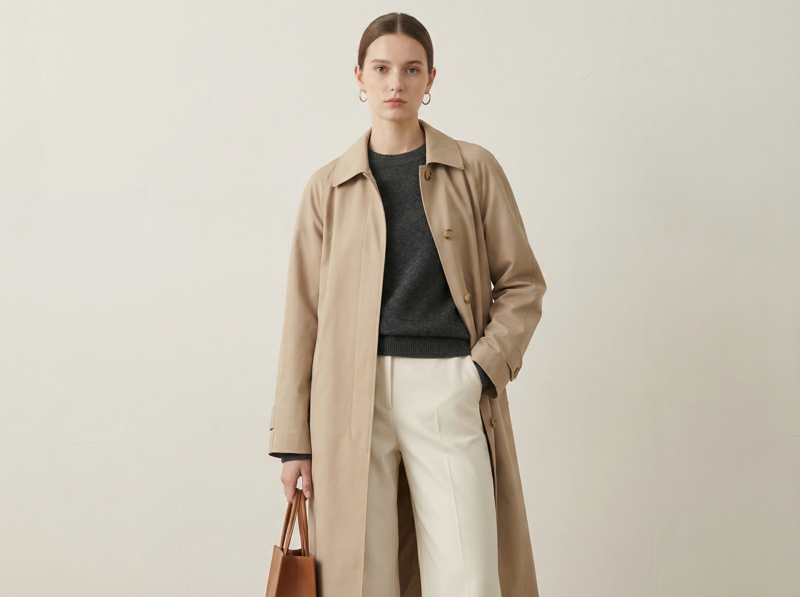
Minimalist chic emphasizes clean lines, neutral palettes, and simple tailoring, offering an understated yet sophisticated aesthetic suitable for modern everyday wear.
Prompt:
“Minimalist beige trench coat outfit, neutral tones, streamlined tailoring, studio lighting, model with simple accessories.”
4. Athletic Outfits
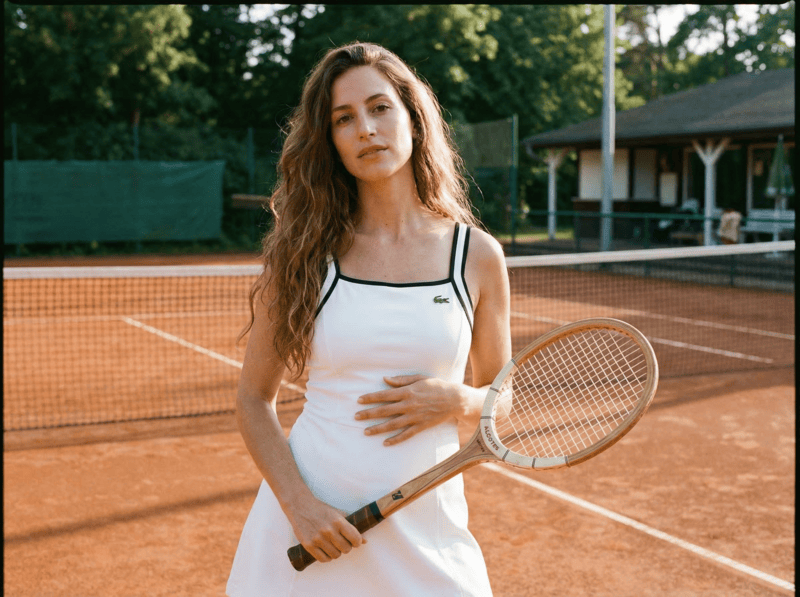
Athletic outfits focus on sporty, functional clothing designed for movement and comfort, combining performance fabrics with modern, stylish cuts suitable for workouts, casual wear, or athleisure looks.
Prompt:
“A woman stands on a tennis court. She has long, wavy hair and is wearing a white tennis dress with black-trimmed straps. There is a small logo on the dress. She holds a tennis racket in one hand and places the other hand on her abdomen. The tennis net is visible behind her.”
5. Champagne Couture
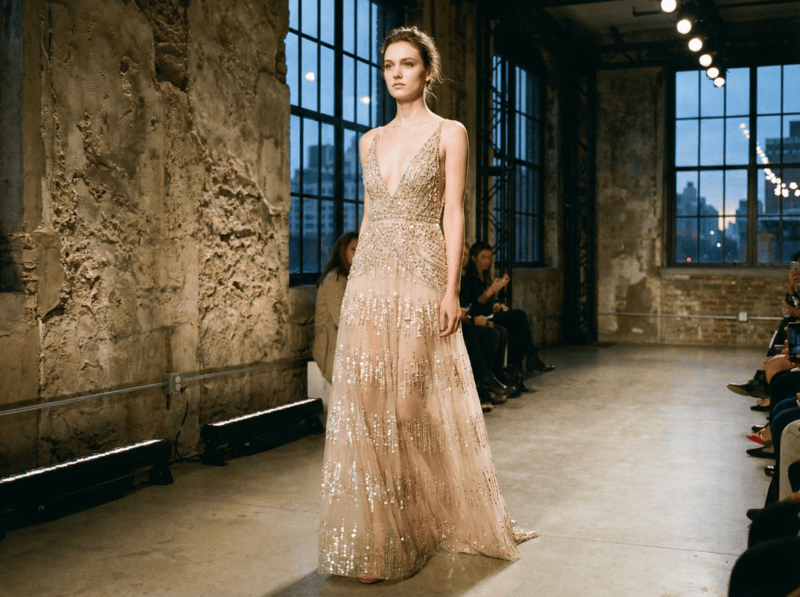
Champagne couture celebrates elegant evening wear with sparkling details and flowing silhouettes that command attention on the runway. This style emphasizes luxurious fabrics, intricate beadwork, and subtle shimmer, perfect for high-fashion events, gala appearances, or editorial photoshoots.
Prompt:
“A model is walking on a runway. She is wearing a floor-length, champagne-colored gown. The gown features a beaded and sequined bodice with a deep V-neckline and thin straps. The sheer skirt has a slightly layered effect and shimmers with sequins. The background includes a stone-like wall and some windows.”
6. Boho Summer Breeze
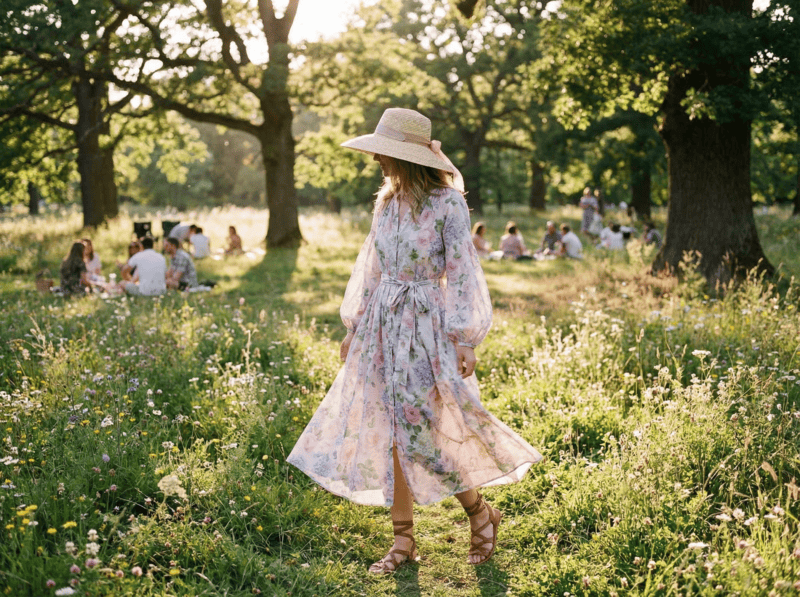
Boho summer breeze captures a light, playful, and free-spirited look, using flowing fabrics, floral prints, and bright colors for warm-weather or festival-ready outfits.
Prompt:
“Flowing cotton summer dress with floral patterns, pastel palette, sunhat and sandals, outdoor sunny park scene.”
7. Vintage Revival
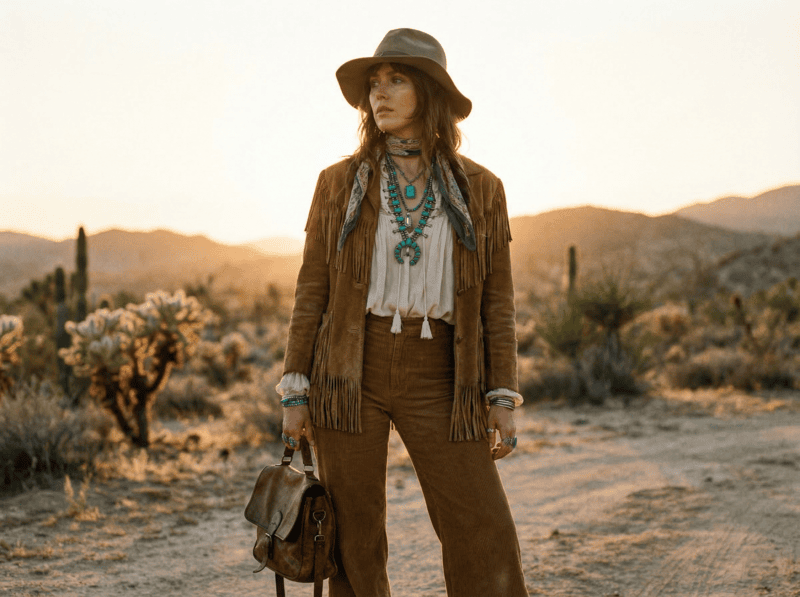
Vintage revival style brings nostalgic, retro-inspired outfits with a modern twist, perfect for celebrating past decades while staying contemporary.
Prompt:
“Vintage 1970s bohemian outfit, suede jacket, wide-leg pants, layered accessories, warm sunset lighting.”
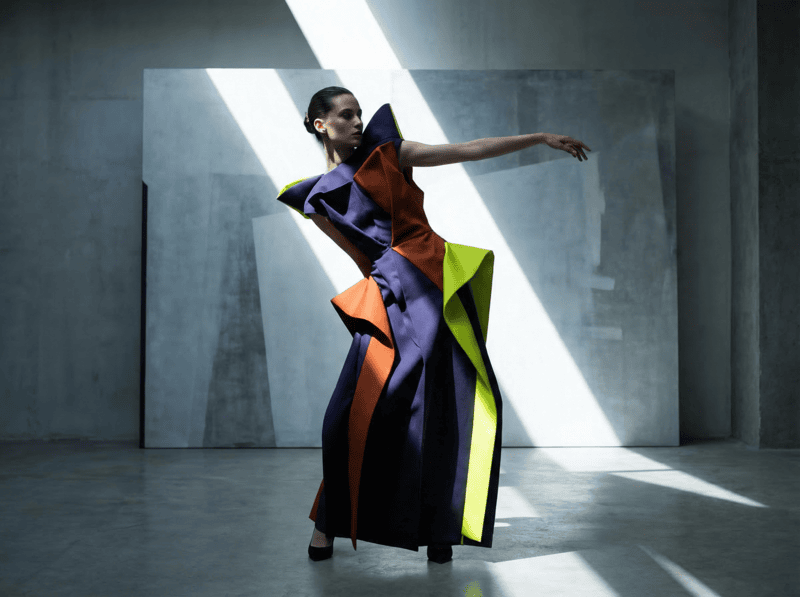
8. Avant-Garde Artistry
Avant-garde artistry fashion features experimental, sculptural, and visually striking pieces, playing with unconventional shapes, layers, and bold contrasts for artistic editorials or runway innovation.
Prompt:
“Avant-garde sculptural dress with asymmetrical layers, bold color contrasts, dramatic studio lighting, artistic pose.”
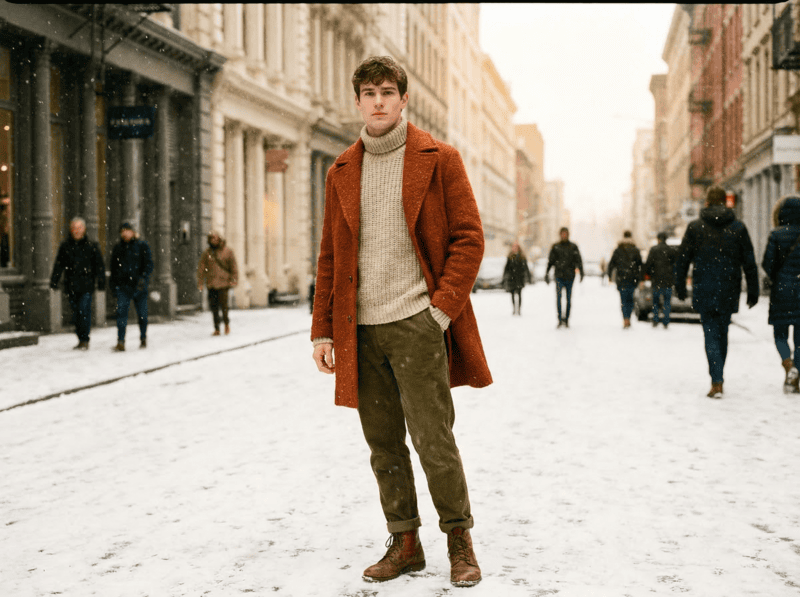
9. Cozy Winter Layers
Cozy winter layers style focuses on warmth and comfort, using oversized knits, coats, and scarves, ideal for seasonal collections or lifestyle fashion in colder climates.
Prompt:
“Chunky knit sweater layered with wool coat, earth-tone scarf, boots, snowy urban street background.”
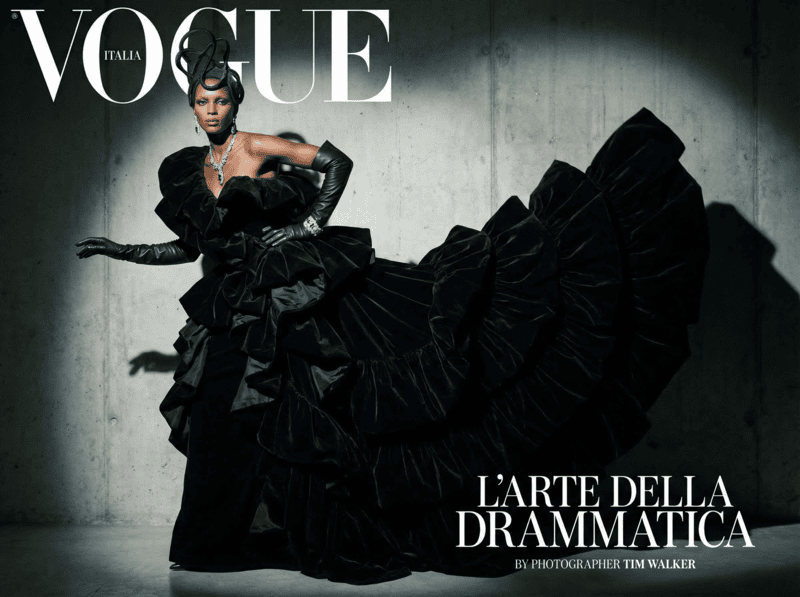
10. High-Fashion Editorial Glam
High-fashion editorial glam style delivers dramatic, magazine-ready looks focused on styling, lighting, and pose, perfect for editorial spreads or social media campaigns.
Prompt:
“Dramatic ruffled gown in black velvet, high-fashion accessories, editorial studio lighting, posed for fashion magazine shoot.”
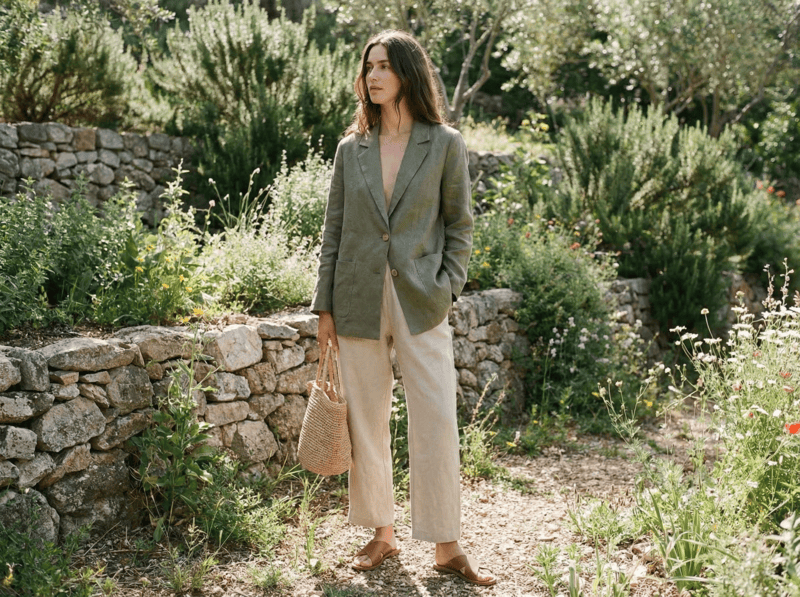
11. Ecological Sustainability
Eco-sustainability fashion blends modern, eco-conscious design with earthy tones, sustainable fabrics, and minimalist shapes, appealing to designers and brands emphasizing sustainability.
Prompt:
“Eco-friendly linen blazer and pants set, earthy tones, natural textures, outdoor garden background, minimalistic styling.”
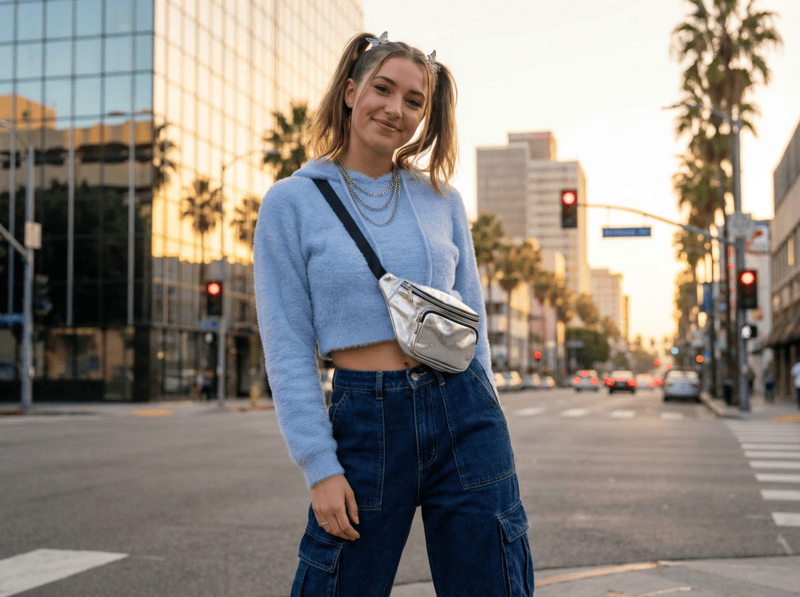
12. Neo-Y2K Glam
Neo-Y2K glam reinvents the early 2000s aesthetic with a modern twist, featuring shiny materials, bold colors, cropped tops, low-rise bottoms, and playful accessories. This style is perfect for social media content, or festival fashion, combining nostalgia with contemporary trends.
Prompt:
“Modern Y2K street look with a cropped hoodie, baggy cargo pants, and shiny belt bag, accessorized with layered chain necklaces. Sunset urban background, youthful, fun, and fashionable aesthetic.”
Practical Applications of AI Outfit Prompts
AI outfit prompts are not just theoretical. Many real fashion creators, brands, and tools are already using prompt‑based systems to generate fashion visuals, explore trends, and support design workflows. Here are concrete examples you can reference:
AI Fashion Visual Generation for Editorial and Lookbook Inspiration
Tools like the AI Outfit Generator let designers instantly transform detailed prompt descriptions into high‑quality fashion visuals. Designers can iterate on looks for editorial spreads, social content, or seasonal lookbooks without traditional photoshoots.
Style Exploration with Prompt Examples
Platforms such as Fashion Diffusion showcase how structured prompts produce diverse styles, from modern streetwear to minimalist commercial outfits, helping creative teams visualize concepts rapidly.
Brand Case Studies Where AI Influenced Physical Collections
Forward‑thinking fashion brands are using AI outputs as creative inspiration. For instance, Collina Strada fed past collections into a generative model and experimented with new prompts to develop unique prints and silhouettes that were later featured in their runway looks.
AI in Fashion Weeks and Industry Events
At events like New York Fashion Week 2025, designers used AI not only to generate supporting visuals but also to blend virtual fashion elements with physical presentations, showing how AI prompts and generated imagery can contribute to storytelling.
Community-Driven Prompt Creation
On creative platforms and forums (e.g., Reddit communities for AI fashion), artists share real prompts and results, like entire Christmas outfit prompt sets or editorial look prompts that illustrate how prompt engineering directly impacts the output quality and style direction.
Tips for Getting Better Results with AI Outfit Prompts
Once you understand the basics of writing outfit prompts, these strategies can help you create more polished, creative, and realistic AI-generated fashion designs.
Use Mood and Storytelling
Instead of just listing clothing items, describe the mood, theme, or narrative behind the outfit.
For example: “Romantic evening gown with flowing chiffon, soft candlelit ambiance, model gazing thoughtfully out a window.” Adding context helps the AI generate a more cohesive and visually engaging scene.
Emphasize Fabric Movement and Fit
Specify how materials behave: drape, stretch, shine, or texture.
For example: “Silk wrap dress with soft shimmer, flowing movement as if caught in a gentle breeze.” This creates more natural and dynamic clothing visuals.
Combine Unexpected Styles
Experiment with hybrid aesthetics or contrasting elements to create standout designs.
For example: “Cyberpunk-inspired tailored blazer with neon stitching and vintage floral lining, worn in a futuristic cafe setting.” Encourages unique, editorial-ready outfits rather than generic looks.
Play with Lighting and Scene Details
Include subtle cues about lighting, background, or environment to enhance realism.
For example: “Soft afternoon sunlight filtering through a loft window, casting warm shadows on a minimalist monochrome outfit.” It helps the AI match garment textures and colors to the scene naturally.
Bring Your Fashion Ideas to Life with Fashion Diffusion
AI outfit prompts have transformed the way designers, creators, and fashion enthusiasts approach clothing design. By turning detailed text descriptions into realistic fashion visuals, these fashion design tools save time, spark creativity, and unlock endless styling possibilities. From experimenting with bold new aesthetics to refining subtle details like fabric movement and lighting, the potential of AI in fashion design is enormous.
If you are ready to bring your ideas to life, tools like Fashion Diffusion make it easy to explore, experiment, and visualize your fashion concepts instantly. Whether you are designing for editorial shoots, social media content, or personal inspiration, AI outfit generators can help you turn your creative vision into stunning, ready-to-use designs.
Start experimenting today and see how your words can become wearable fashion!
FAQ
An AI outfit prompt is a detailed text description that guides AI tools to generate fashion designs. It typically includes clothing type, style, materials, colors, and scene context to produce accurate and creative visuals.
No. Fashion Diffusion is beginner-friendly and allows anyone to create professional-looking outfits by simply describing what they want in words.
Yes, but usage rights may depend on the AI tool’s terms and conditions. Always check the licensing policy of the platform you are using.
The more specific your prompt, the better the AI can generate your desired outfit. Include details about style, materials, colors, accessories, and scene or lighting when possible.
You can use fashion magazines, runway shows, social media trends, or past collections as references. Adding a mood, theme, or story to your prompt also helps create unique, engaging designs.


