

A fabric can look perfect as a flat swatch and still surprise you once it is cut and sewn into an actual garment. Color shifts under different lighting. Drape changes completely on a bias-cut skirt versus a structured blazer. A print that looked balanced on a swatch card can stretch or compress once it wraps around a real silhouette. That gap between swatch and garment is why so many fashion samples get reordered.
Fabric to garment AI is built to close that gap before a single sample goes into production. Instead of guessing from a flat swatch, you can apply fabric directly onto a garment photo with AI. The result comes back in seconds, well before any cutting, sewing, or shipping happens.
This guide covers what AI fabric visualization can help you evaluate, how to use it step by step, and where it fits alongside physical sampling.
AI Visualization vs Physical Fabric Sampling
Physical sample costs vary widely depending on the garment, fabric, construction, and sampling location. What makes the difference is not just any single step, but how many steps and rounds happen before a decision gets made. Laying the two processes side by side against each other shows where the time actually goes.
| Step | Traditional Sampling Process | AI Visualization Process |
| 1 | Order a fabric swatch and wait for it to arrive, typically a few days to over a week | Upload a photo of the fabric and a reference garment |
| 2 | Evaluate color and hand feel from the swatch alone, without seeing it on the garment | Generate a preview of the fabric on the garment in seconds |
| 3 | Order a full physical sample and wait, commonly one to three weeks or more per round | Compare multiple fabrics or colorways on the same garment instantly |
| 4 | Review the sample and request revisions, often across two or more rounds | Narrow the options down to the fabrics worth ordering as a physical sample |
| Total | Days to several weeks before the first full sample is even reviewed | Minutes to preview and compare, with physical sampling reserved for a short list |
The traditional process only shows you the finished result after fabric has already been ordered and a garment has already been sewn. The AI process moves that same decision earlier, so the fabrics that clearly will not work get filtered out before any material or labor is spent on them.
What AI Fabric Visualization Can Help You Evaluate
Before getting into the steps, it helps to know what this kind of tool is actually good at showing you. AI fabric visualization is not a lab test. It is a fast way to preview how a material choice will read on a garment. That way you can rule out options that clearly will not work before spending time and money on a physical sample.
Color and Colorways
The same garment can look completely different in five colorways, and judging that from a swatch card alone is unreliable. Applying each color option to the same garment reference makes it easier to compare how a shade reads on the actual silhouette rather than on a small flat piece of fabric.
Print Scale and Placement
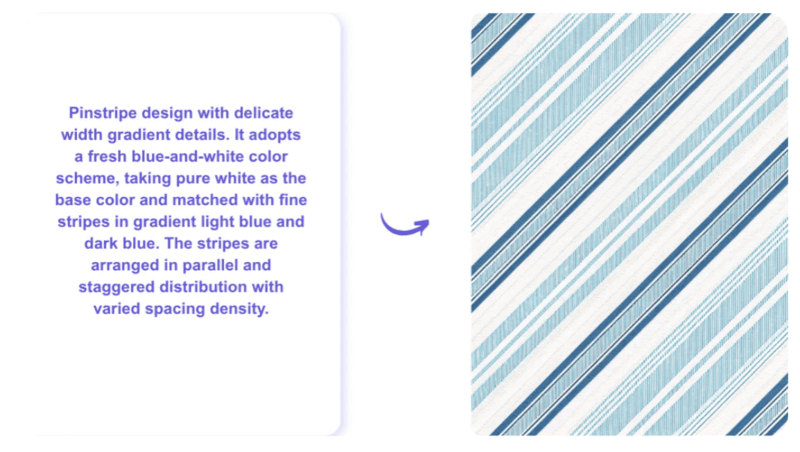
A print that looks balanced on a small swatch can look oversized or cramped once it repeats across a full garment. Fabric to garment AI can preview how a print scales and lands on seams and panels, so you catch scale problems before fabric goes to print. If the print itself still needs to be designed, Fashion Diffusion’s seamless pattern generator can turn a reference image or text description into a repeat-ready fabric pattern. You can then preview that pattern on a garment.
Texture and Surface Appearance
Sheen, weight, and surface texture all affect how a fabric photographs on a finished garment. Visualizing a fabric on a garment reference gives a sense of how a shiny satin or a matte cotton will read visually. That makes it useful for deciding between similar-looking fabric options before committing to one.
Fabric and Garment Compatibility
Not every fabric suits every silhouette. A heavy brocade on a fitted slip dress and a lightweight chiffon on a structured coat both tend to look off. Previewing the combination on a garment reference makes that mismatch obvious early, instead of after a sample has already been cut.
How to Visualize Fabric on a Garment With AI
The process behind fabric to garment AI is simpler than most people expect. You do not need 3D modeling software, a photography studio, or design experience. You need two images and a few seconds of processing time.
Step 1: Upload a Fabric Reference
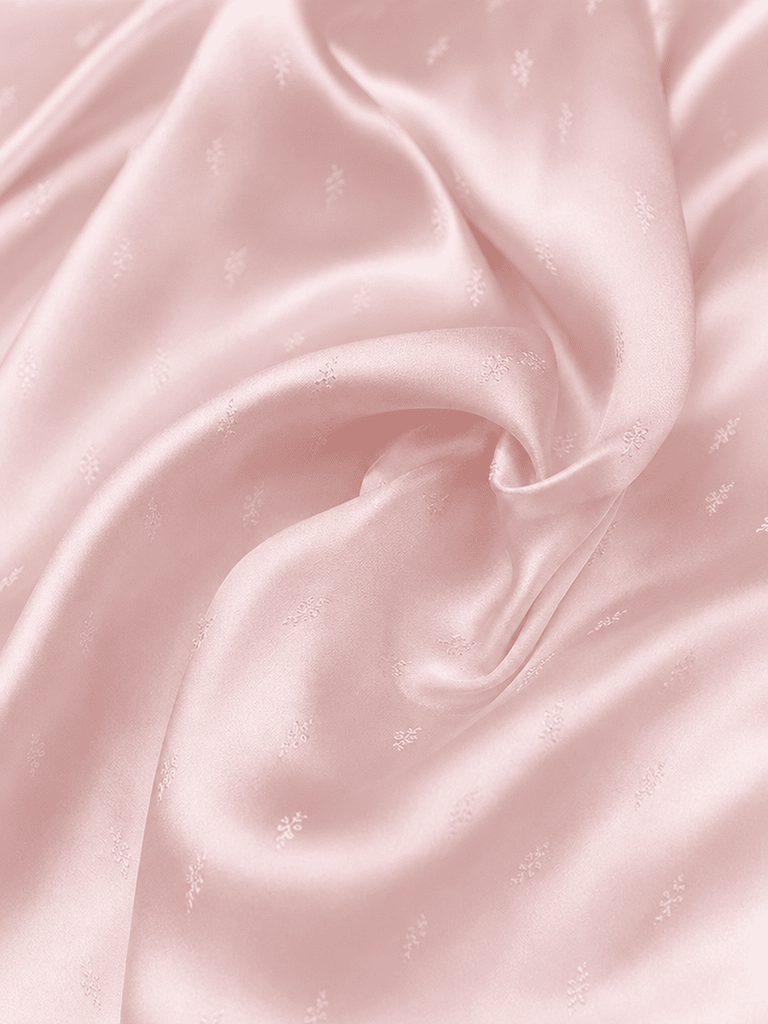
Start with a clear photo of the fabric itself. This can be a textile sample, a scanned swatch, a printed pattern, or any material reference you already have on hand. Fashion Diffusion’s Apply Fabric accepts PNG, JPG, and WebP files. It also includes a built-in library of sample fabrics if you want to test the tool before uploading your own material.
Step 2: Upload a Garment Reference
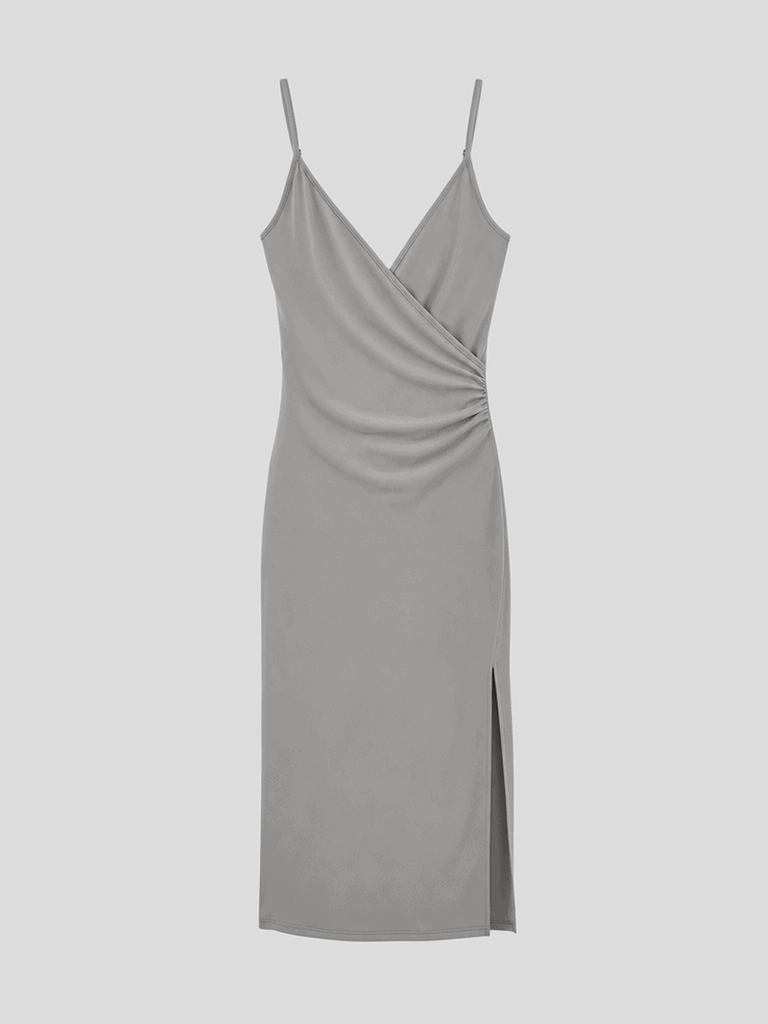
Next, upload a photo of the garment you want to visualize the fabric on. This can be a flat lay, a product photo, or a sketch-style reference. The tool uses the garment reference to preserve its silhouette, seams, folds, and overall structure while applying the new fabric on top of it.
Step 3: Generate and Compare the Results
Once both images are uploaded, the AI generates a realistic preview of the fabric’s texture, color, pattern scale, and overall appearance on the garment. From here you can compare multiple fabric options on the same garment shape. You can also test the same fabric across several silhouettes, all without producing a single physical piece.
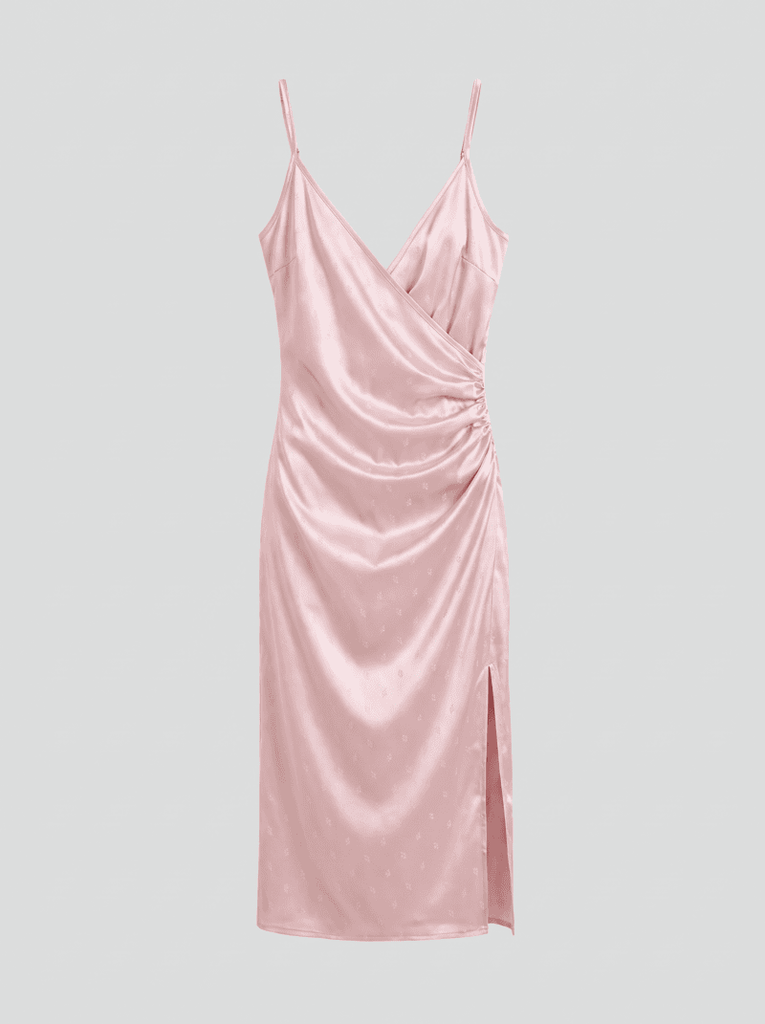
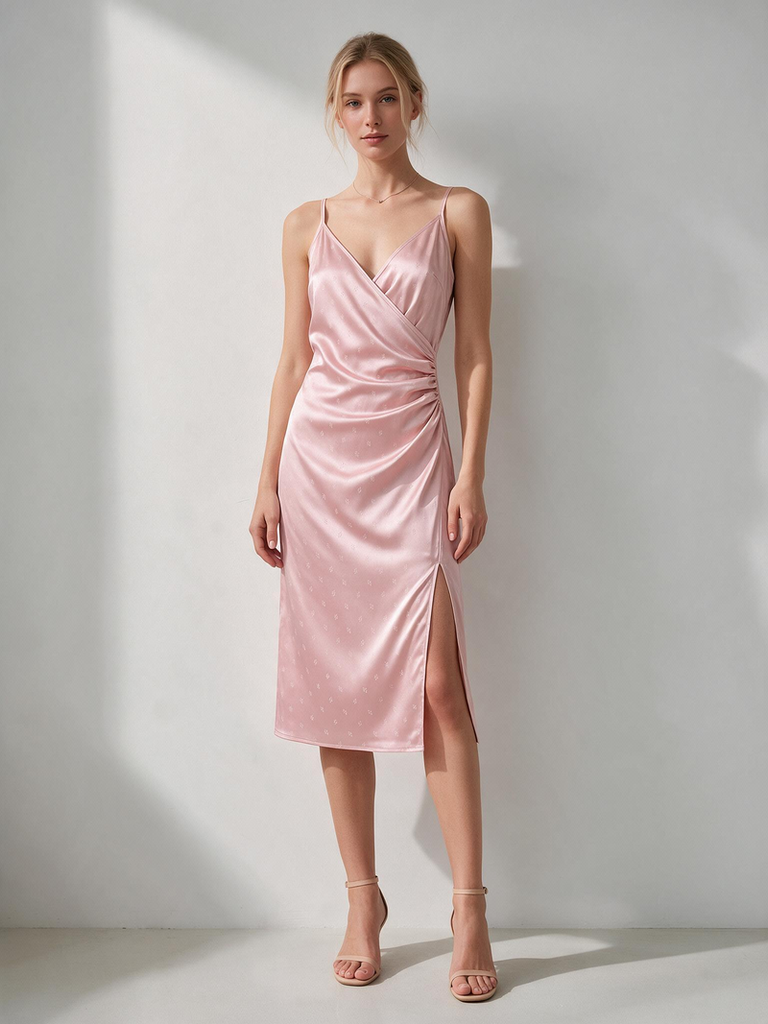
To take the result further, feed the fabric-applied garment into Fashion Diffusion’s virtual try-on tool. That lets you see how the finished piece looks worn by a model before making a final call.
Who Uses Fabric to Garment AI
Fabric visualization is not limited to one type of fashion business. The people who benefit most tend to fall into four groups, each using the same core workflow for a different purpose.
Independent Designers
For a designer working alone or with a small team, sampling budgets are tight and every wasted round matters. Testing how silk drapes on a slip dress or how a bold print scales on a t-shirt before ordering fabric helps designers commit to a direction with more confidence. It also frees up physical sampling budget for the options that already look right.
Brand Buyers and Merchandisers
Buyers often need to evaluate several fabric options across a season’s line before committing to a purchase order. Seeing a fabric applied to the actual garment shape, instead of judging it from a swatch card, makes it easier to compare options. It also helps the whole team move faster toward a final decision.
Fabric Suppliers
Suppliers traditionally rely on physical sample books to show buyers and design teams how a new textile performs. Applying a new fabric to several garment styles digitally lets suppliers demonstrate range and versatility without producing and shipping physical books for every account.
E-commerce Sellers
Offering a garment in multiple fabric or colorway options usually means ordering and photographing a separate sample for each variation. Generating fabric variations digitally from a single garment reference lets sellers expand their product listings without multiplying production and photography costs. Sellers who also need to show a garment styled as a full outfit, rather than just a fabric change, can pair this with Fashion Diffusion’s AI clothes changer. It swaps entire looks on the same model photo.
When You Still Need a Physical Sample
AI fabric visualization shows how a material may look on a garment. It does not measure the fabric’s physical properties or guarantee how it will behave in production. Fit, stretch recovery, colorfastness, wash performance, and durability still require an actual sample in hand before a style moves into production.
The value of visualizing fabric on a garment first is that it narrows the field. Instead of ordering several physical samples to compare several fabric options, a brand can visualize them digitally and eliminate the ones that clearly do not work. That leaves physical sampling for the options that are genuinely worth the time and cost.
See Your Fabric on a Garment Before You Sample
Guessing from a flat swatch is no longer the only option. With Fashion Diffusion‘s Apply Fabric, you can upload a fabric photo and a garment reference and see a preview in seconds instead of waiting weeks for a physical sample. Compare fabric options digitally before deciding which ones are worth sampling. Free to start!
FAQ
AI fabric visualization gives a strong visual estimate of how a fabric will appear on a garment, including how heavier and lighter materials tend to fall differently. It previews appearance rather than measuring physical properties, so final fit and hand feel still need a physical sample.
Yes. AI fabric tools can map printed textiles, allover patterns, and placement prints onto a garment with estimated scale and placement. That makes it useful for spotting scale issues before a print goes to production.
Yes. Using the same garment reference, you can test multiple fabrics and compare color, texture, print scale, and overall appearance side by side.
Yes. You can generate or upload a pattern and apply it to a garment reference to see how the repeat and scale look before committing to yardage.
Fashion Diffusion offers free credits to get started with Apply Fabric. Therefore, you can test the workflow before committing to a paid plan for higher volume use.
No. It replaces some of the guesswork in the early decision-making stage. Sourcing, fabric testing, and final production sampling still go through your usual suppliers and manufacturers.


