

Designing clothes has always been about more than just silhouettes, it’s about how fabric moves, feels, and comes to life on the body. But visualizing that in early-stage designs isn’t easy. That’s where apply fabric AI is starting to change the game. With the rise of AI fabric texture fashion tools, designers can now quickly apply fabric to clothing designs, test different materials, and see realistic results without going through time-consuming sampling.
Why Fabric Rendering Matters in the Design Process
Fabric is what turns a flat design into something tangible. The same silhouette can look completely different depending on whether it’s made from structured denim, soft knit, or fluid silk. Without seeing the fabric applied, it’s hard to fully evaluate a design.
In traditional workflows, designers often rely on imagination, references, or physical samples to understand how a fabric will behave. This takes time, costs money, and slows down iteration, especially in early design stages.
With apply fabric AI, you can instantly visualize how different materials interact with your design. It bridges the gap between concept and reality, making decisions faster and more informed.
Here’s where fabric simulation AI becomes especially valuable:
- Faster iteration: test multiple fabrics in minutes instead of days
- Better decision making: see how texture, weight, and drape affect the design
- Improved communication: share clearer visuals with teams or clients
- Reduced sampling costs: minimize the need for physical prototypes
Instead of guessing how a fabric might look, designers can now apply fabric to clothing design digitally and refine their ideas with much more confidence.
Types of Fabric Texture Supported by AI Tools
One of the biggest advantages of using an AI fabric texture tools is the variety of materials you can experiment with. Instead of being limited to a few swatches, you can quickly test a wide range of fabrics across different styles.
Most AI fabric texture fashion tools typically support:
- Basic fabrics: cotton, denim, linen, wool
- Soft & fluid materials: silk, satin, chiffon
- Knit fabrics: ribbed knits, jersey, stretch materials
- Technical fabrics: nylon, performance blends, coated textiles
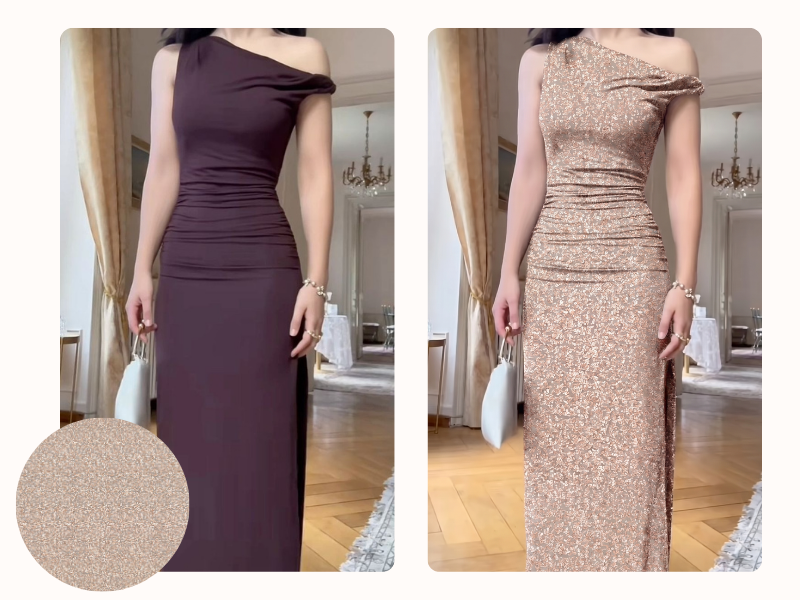
As fashion continues to evolve, designers are also exploring more innovative materials. If you’re curious about where fabrics are heading next, it’s worth looking into high-tech fashion fabrics, which are becoming increasingly relevant in both performance wear and experimental design.
Beyond materials, patterns are just as important. With apply pattern to clothing AI, you can map different prints directly onto garments without manually adjusting them.
Common pattern types include:
- Floral and botanical prints
- Geometric and abstract patterns
- Stripes, checks, and repeats
- Custom uploaded designs
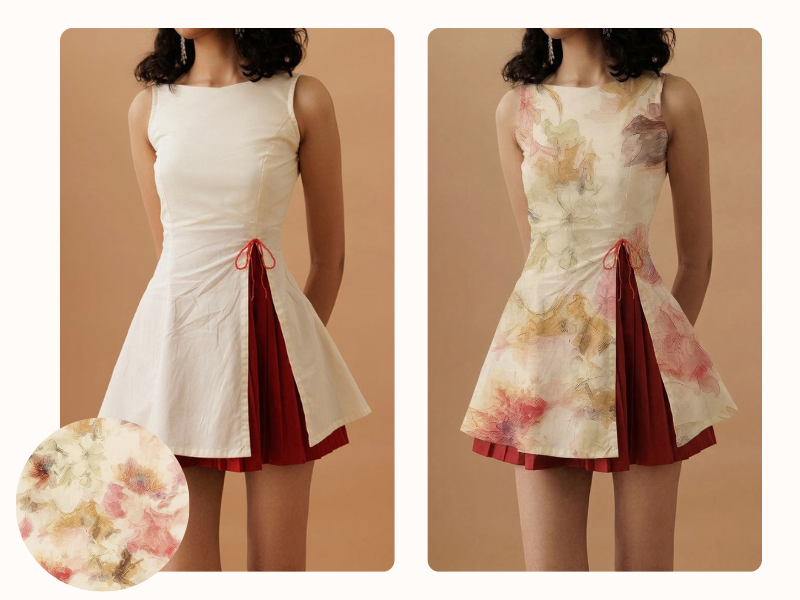
Some tools also allow you to control how the fabric appears on the garment, such as adjusting scale, alignment, or repetition. This makes it easier to see how a small print vs. a large print can completely change the final look.
Instead of switching between multiple tools, everything, from fabric selection to pattern placement, can be handled in one workflow, making the design process much more flexible and intuitive.
Step-by-Step: How to Apply Fabric to Clothing Designs with AI
Applying fabric with AI is much more straightforward than traditional methods. Tools like Fashion Diffusion simplify the process into just a few steps, allowing you to go from idea to visual in minutes.
Step 1: Upload Fabric Swatch
Start by uploading your fabric texture or pattern. This could be a photo of real fabric, a digital swatch, or a print design.
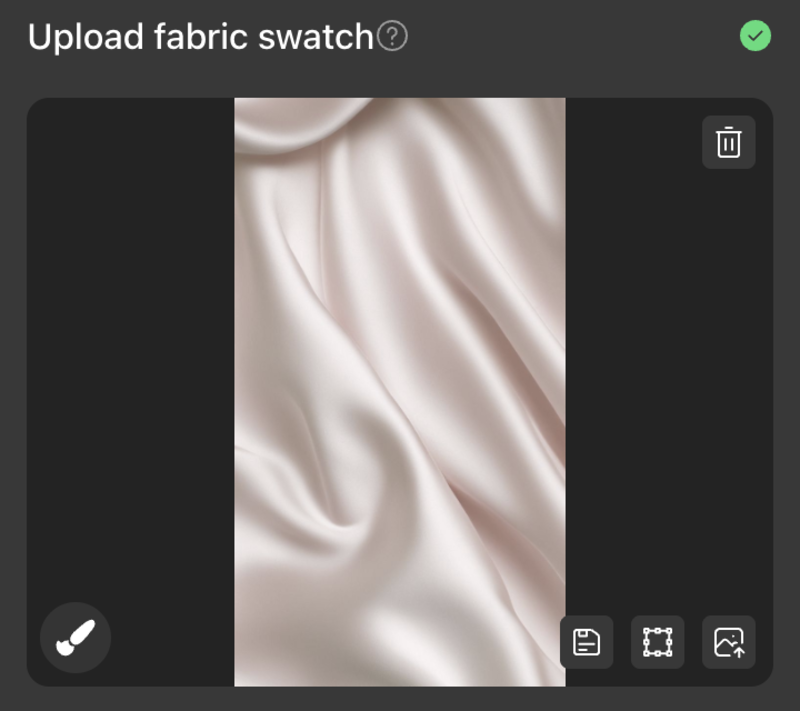
If you don’t have a pattern prepared, you can generate one using Fashion Diffusion’s seamless pattern generator and integrate it directly into your workflow.
Step 2: Upload Style Image
Next, upload the clothing design you want to work on. This can be a sketch, a flat design, or even a rendered outfit image.
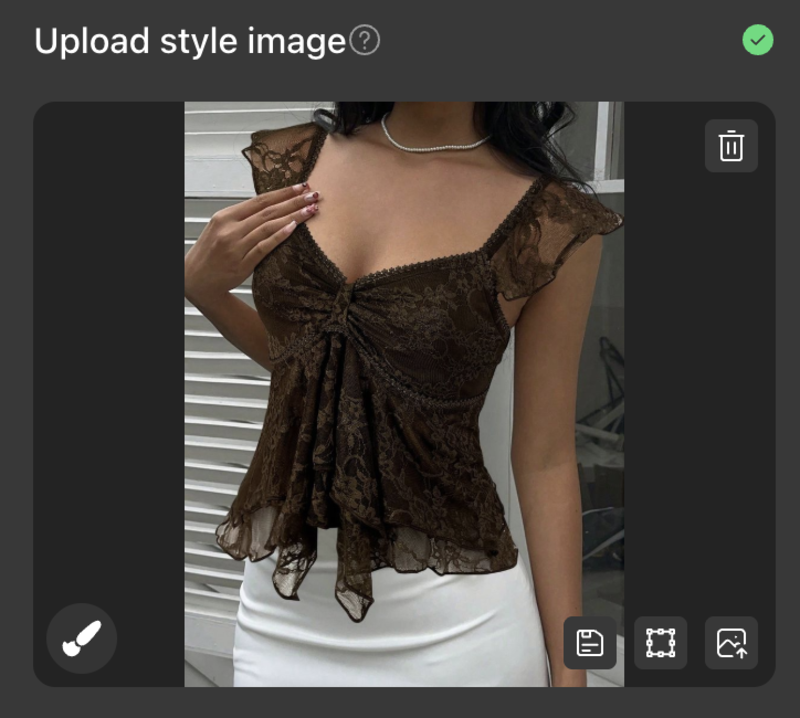
The AI will use this as the base to apply fabric to clothing design, mapping the texture onto the garment structure.
Step 3: Select Modification Area & Adjust Fabric Size
Once both images are uploaded, you can define where the fabric should be applied.
- Select specific areas (e.g. top, outerwear, bottoms)
- Adjust fabric scale to control how the texture appears
- Fine-tune placement for batter alignment
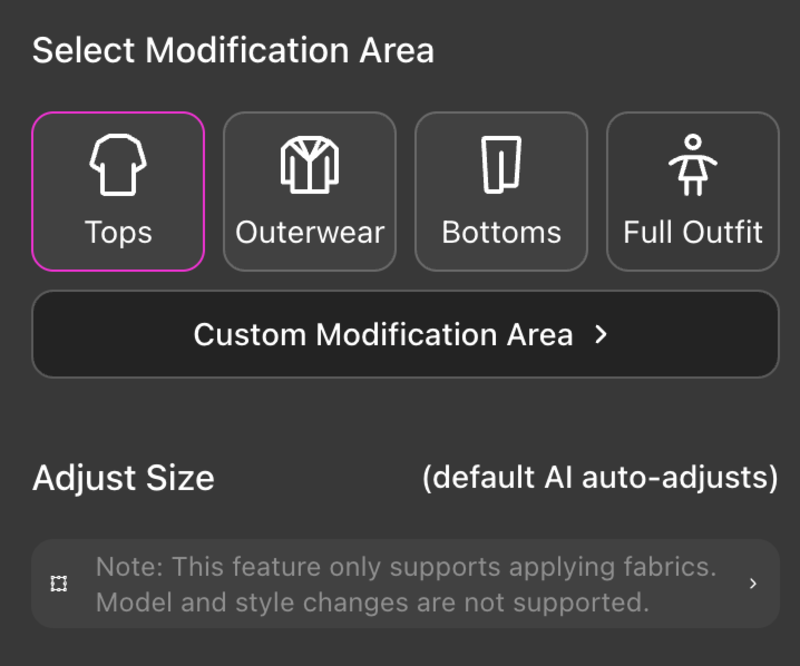
The step is key for making the result look natural rather than overly repetitive or distorted.
Step 4: Generate
After everything is set, simply generate the result. The apply fabric AI system will process the inputs and produce a realistic output, showing how the selected fabric looks on your design, complete with texture mapping and visual depth.
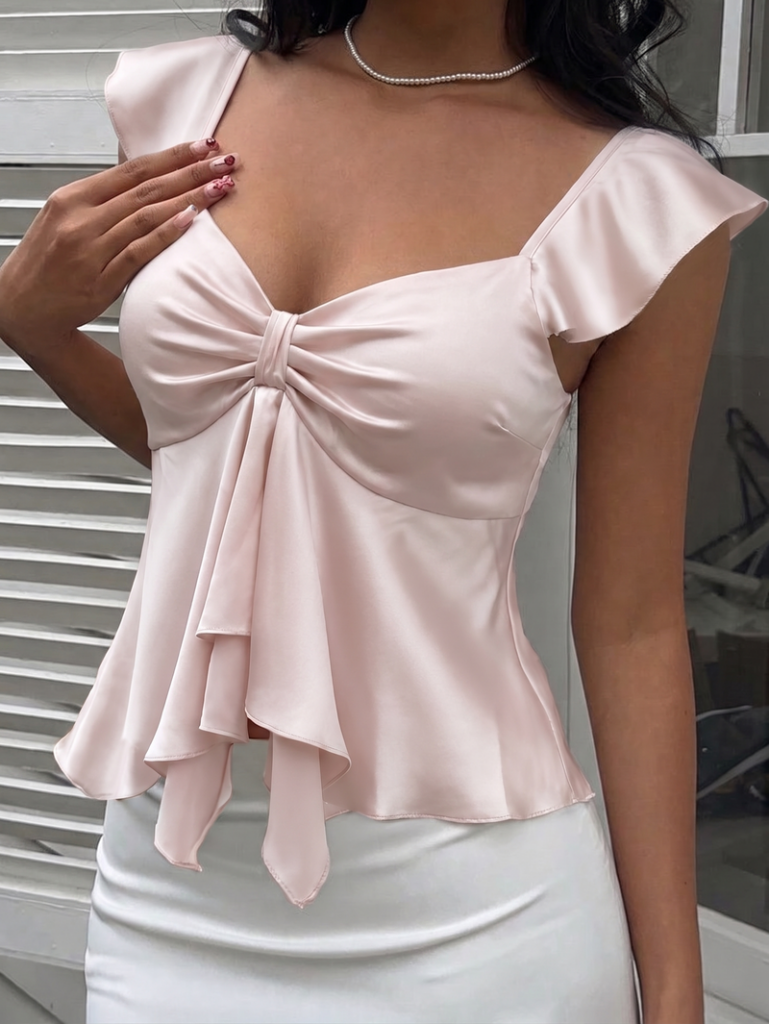
Compared to manual mockups or traditional digital fabric rendering, this process is significantly faster and requires far less technical effort, making it easier to experiment and iterate freely.
How Realistic is AI Apply Fabric for Clothing Design?
The realism of AI-generated fabric application has come a long way, but how close can it really get to the look and feel of actual fabric?
AI tools like Fashion Diffusion’s apply fabric feature simulate fabric behavior with impressive accuracy, but there are still some factors to consider. Here’s what makes these tools work well, and where they might need improvement.
What AI Does Well:
In most everyday design scenarios, apply fabric AI performs surprisingly well. It’s especially strong when working with common materials and clear garment structures, helping designers quickly visualize how a fabric will translate onto a finished piece.
- Texture depth: AI can mimic the texture of fabric, from smooth silks to rough denim, creating a realistic sense of weight and feel.
- Fabric drape: The way fabric naturally falls and folds is captured, giving a lifelike look to garments in motion or rest.
- Lighting and shadow: AI tools simulate how fabric interacts with light, adding realism through shadows and highlights on the fabric surface.
Areas for Improvement:
That said, like any evolving technology, there are still some limitations. These tend to show up in more complex materials or highly detailed scenarios where physical accuracy becomes harder to replicate.
- Extreme fabrics: Very thick materials like heavy leather or intricate materials like lace can be harder for AI to simulate perfectly.
- Wrinkles and creases: While folds are generated, they may not always look completely natural in highly detailed areas.
- Custom fabrics: Highly specific or unconventional textures may not translate exactly as expected.
However, for most practical use cases, the level of realism offered by apply fabric AI is more than enough to support design decisions, presentations, and fast iteration.
From Fabric to Full Outfit: Building a Complete Workflow
One of the biggest advantages of using AI in fashion design is the ability to streamline the entire process, from fabric selection to a complete, styled outfit. This helps designers quickly experiment with different fabrics, refine details, and visualize how their designs come to life, all in one integrated workflow.
A typical AI-powered workflow might look like this:
1. Start with a Base Design: Sketch, Flat or Reference Image
The journey begins with uploading your initial garment design. Whether it’s a rough sketch, a flat drawing, or a reference image.
- With sketch to render functionally, you can easily convert your basic sketch into a detailed rendered image.
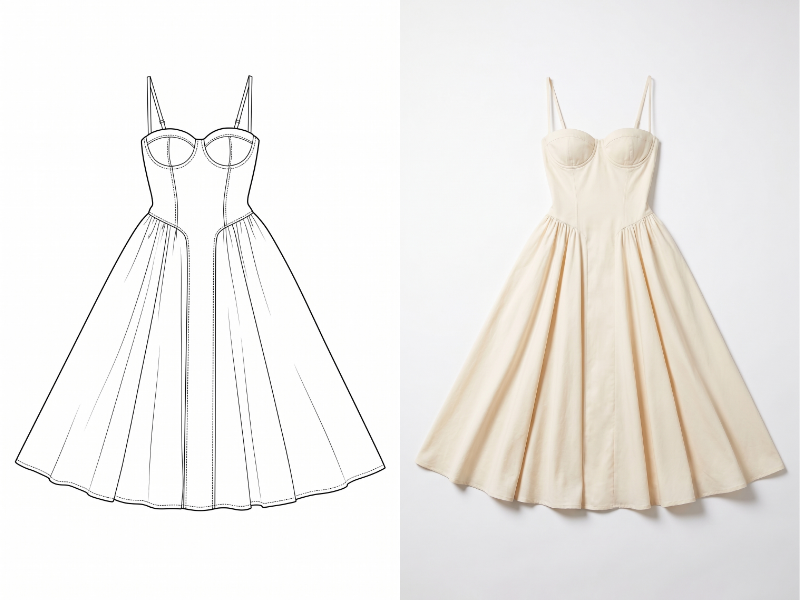
- Alternatively, you can use the AI outfit generator to create a base design by inputting an AI prompt, generating a fully designed garment right from the start.
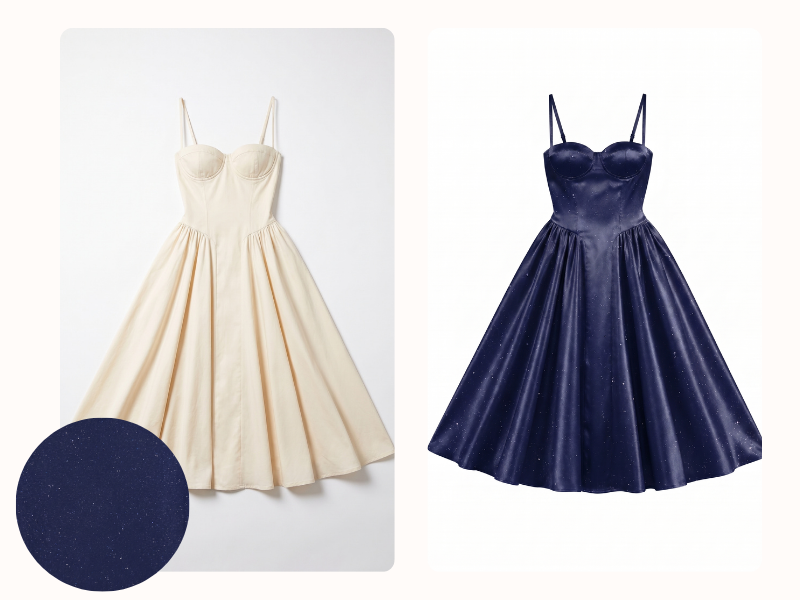
2. Apply Fabric AI: Test Different Materials and Patterns
Once you have your base design, it’s time to experiment with fabrics. With Apply Fabric AI, you can test a variety of materials, and apply them to your design instantly.
- With apply fabric AI, you can instantly test various materials like silk, denim, or leather on your garment, and see how different patterns work on the fabric.
- This step eliminates the guesswork and gives you realistic preview of your design.
3. Refine Details: Adjust Scale, Placement, and Texture
Now that you have a fabric applied to your garment, fine-tune the details.
- You can adjust the scale, placement, and texture of the fabric to ensure it fits the vision you have.
- The style innovation features lets you make subtle tweaks to the garment, enhancing its silhouette, texture, and overall look with AI-driven suggestions.
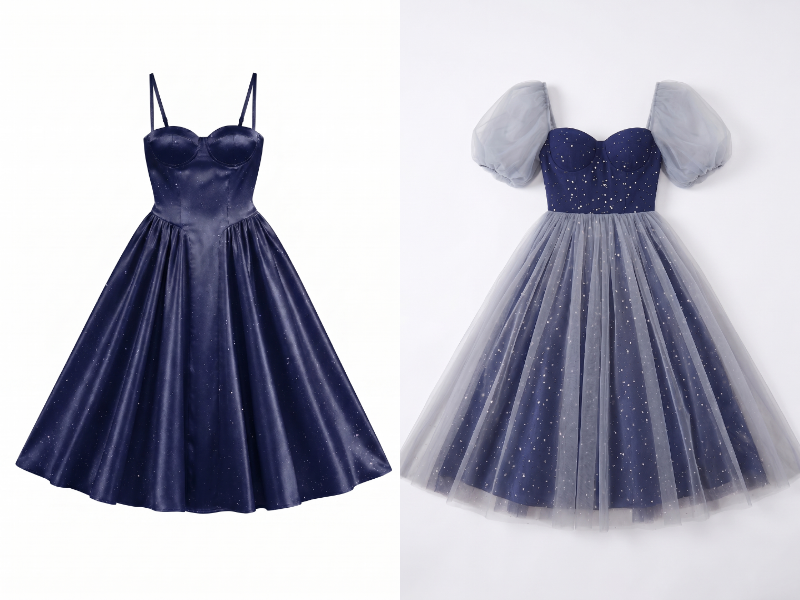
4. Move to Outfit Generator: Build a Full Look Around the Piece
Once you have the garment ready, the next step is to see how it fits into a complete look.
- Using the virtual try-on tool, you can generate a full outfit with your design and test how it appears on a 3D model.
- This allows you to visualize the entire outfit in a realistic way before finalizing any decisions.
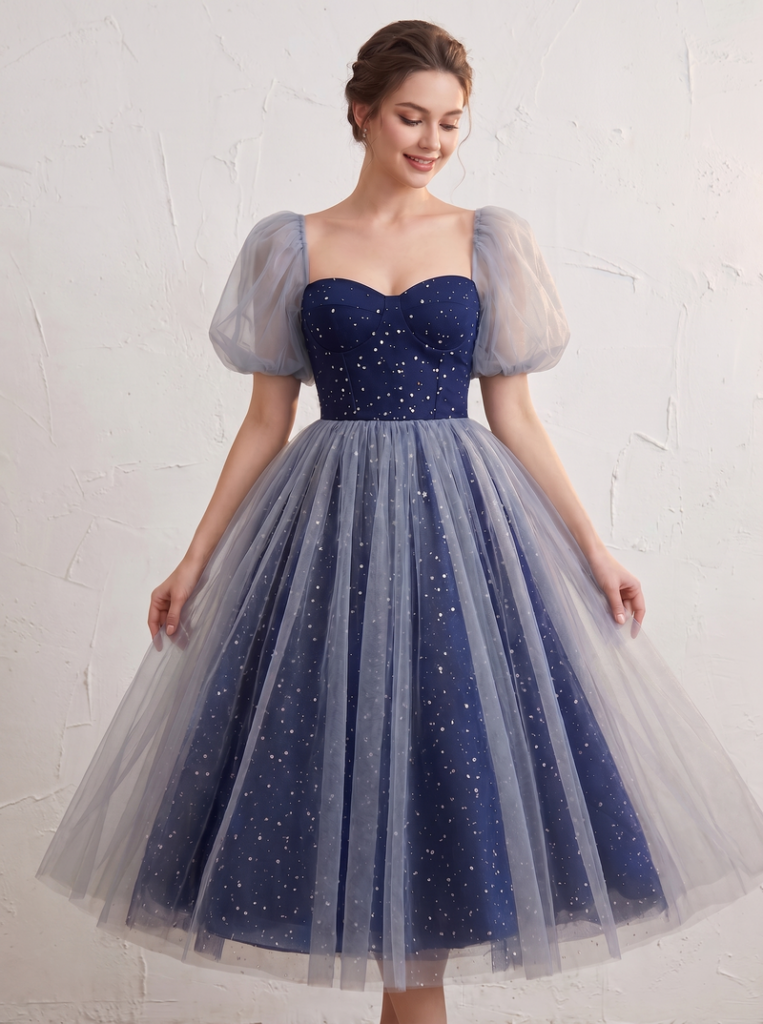
5. Generate Variations: Explore Different Styles, Colors, and Combinations
Finally, you can explore endless possibilities by generating different variations of your design.
- Try out AI recolor feature or change background feature to see how different colors, materials, and settings affect the overall style.
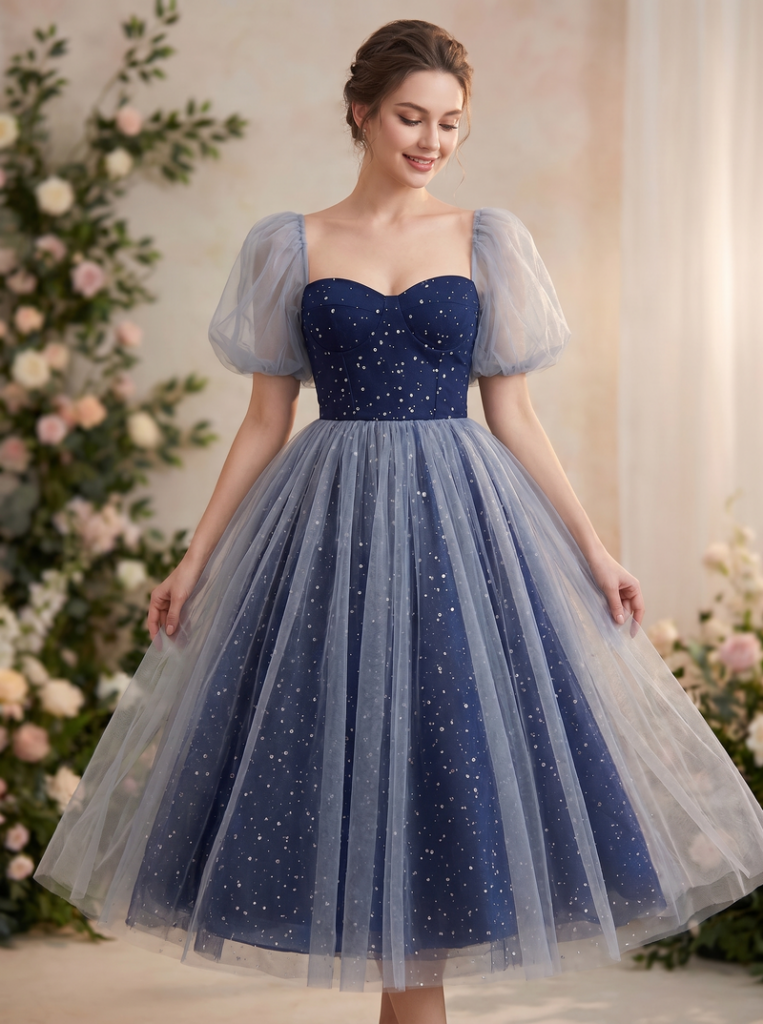
- This step lets you experiment freely without needing to start from scratch, making it easy to find the perfect final look.
By combining these AI-driven tools into a workflow, designers can now work faster, iterate more freely, and produce highly polished designs with ease. The ability to seamlessly move from fabric selection to full outfit generation allows for better experimentation, all while reducing the time and cost traditionally associated with the fashion design process.
Whether you’re a designer, a brand, or a content creator, this AI-powered workflow provides the tools needed to push your designs forward with speed and accuracy.
Who Benefits Most from AI Fabric Application
The value of apply fabric AI isn’t limited to one type of user. Different people in the fashion ecosystem can use it in slightly different ways, depending on their workflow and goals.
Fashion Designers
Designers are often the primary users of AI fabric texture fashion tools. Instead of waiting for physical samples, they can quickly test materials, compare variations, and refine ideas in the early stages.
This helps them:
- Explore more design directions in less time
- Reduce dependency on physical sampling
- Make faster creative decisions
Fashion Brands & Startups
For brands, especially smaller ones, speed and cost efficiency matter a lot. Using apply pattern to clothing AI tools allows teams to visualize collections before investing in production.
This is useful for:
- Early collection planning
- Internal design approvals
- Reducing sampling costs
E-commerce & Marketing Teams
Visual content is essential for selling fashion online. With digital fabric rendering, teams can generate multiple product variations without needing new photoshoots.
They can:
- Create seasonal campaign visuals
- Test different fabric styles on the same product
- Improve product storytelling
Content Creators & Fashion Influencers
Creators can also use AI tools to experiment with styling ideas. Instead of relying only on real garments, they can build visual concept faster and more creatively.
This helps them:
- Produce more outfit concepts
- Explore trend-based styling ideas
- Create visually engaging content
Across all these use cases, the biggest advantage is the same: faster experimentation with lower cost and more creative freedom.
Simplifying Fabric Design with Fashion Diffusion
Applying fabric used to be one of the more time-consuming parts of the design process, especially when accuracy and visualization really mattered. Now, with apply fabric AI, designers and teams can quickly test ideas, refine details, and move forward with much more confidence, all without slowing down their workflow.
Fashion Diffusion make this process even more accessible by bringing everything into one place, from fabric application to full outfit generation. If you’re looking to speed up your design process while still maintaining creative control, it’s definitely worth exploring an AI fabric texture tool and seeing how easily you can apply fabric to clothing design in just a few steps.


