

Your clothes can cool you down, repel stains, and even adapt to your body’s needs—all thanks to high-tech fashion fabrics. This isn’t sci-fi; it’s the future of fashion, already here.
Fashion is no longer just a visual statement. It’s a fusion of technology and functionality, with high-tech fashion fabrics at the forefront of this evolution. These innovative textiles are redefining the relationship between clothing, the human body, and the environment, merging performance, sustainability, and style in ways traditional fabrics never could.
Read on to discover how these materials are reshaping fashion, enhancing daily life, and driving sustainability, and how you can virtually explore their fit using Fashion Diffusion.
What are High-Tech Fashion Fabrics
High-tech fashion fabrics are innovative textiles that move beyond traditional design aesthetics to serve as a functional bridge between the body, environment, and performance. They integrate advanced technology with practical utility to solve specific problems, such as UV protection, moisture control, temperature regulation, self-cleaning, and enhanced durability, while often incorporating adaptive features like shape-memory or biodegradability.
Types of New Fabric Materials for Clothes
- Smart Fabrics: Integrate electronics, sensors, or LEDs to respond to environmental stimuli (such as heat or movement) or biometric data (like heart rate). Common applications include smartwatches, fitness trackers, and illuminated apparel.
- Phase-Change Materials (PCMs): Absorb or release thermal energy to maintain a stable microclimate, providing adaptive cooling or warming effects.
- Moisture-Wicking Synthetics: Pull sweat away from the skin’s surface to facilitate rapid evaporation, keeping the wearer dry and comfortable.
- Nano-Engineered Fabrics: Leverage nanotechnology to enhance attributes such as breathability, water repellency, and self-cleaning capabilities.
- Biodegradable & Bio-Based Materials: Sustainable alternatives, including pineapple leaf fiber and bulrush-based down substitutes, designed to minimize environmental impact.
- Thermo-Reactive Fabrics: Alter their color or texture in response to temperature fluctuations, adding a dynamic visual element.
Core Advantages of High-Tech Fashion Fabrics Over Traditional Fabrics
To understand the transformative impact of high-tech fabrics, let’s compare their performance directly against conventional materials across seven critical dimensions.
| Dimension | Shortcomings of Traditional Fabrics | Core Advantages of High-Tech Fabrics |
| Functionality | Single function; poor resistance to harsh weather (e.g., easy to get wet, insufficient warmth retention) | Multi-functional integration; superior environmental adaptability and body microclimate regulation |
| Durability | Prone to wear, tearing and deformation; fragile (e.g., delicate silk, easily damaged linen) | Exceptional physical strength; wear-resistant, tear-resistant, and shape-retaining; longer service life |
| Ease of Care | Requires special care (e.g., dry cleaning); easy to wrinkle; slow drying | Low maintenance cost; easy to care for; adapts to fast-paced lifestyles |
| Comfort | Poor elasticity; heavy (e.g., thick wool is warm but bulky) | Ergonomic fit; lightweight without compromising performance |
| Hygiene & Health | Absorbs sweat easily; breeds bacteria and causes unpleasant odors; may trigger skin allergies (e.g., raw wool) | Active antibacterial and odor-resistant; hypoallergenic; reduces washing frequency |
| Aesthetics & Design | Textures and silhouettes are limited by natural fiber properties; drape and shape are predictable | Breaks through the limitations of natural fibers; enables innovative visual effects and structural designs |
| Sustainability | High resource consumption (e.g., cotton farming uses massive water) and severe pollution (e.g., traditional dyeing) | Supports circular economy; achieves clean production; reduces environmental impact |
A Fresh Look at 2026 Fabric Trends
With a valuation of USD 255.12 billion in 2025 and a projected increase to USD 271.83 billion in 2026, the global technical fabrics market is clearly in a phase of significant expansion.
This growth is underpinned by rapid innovation and strong governmental backing, reflecting a global shift towards apparel that is both stylish and technologically advanced, as high-tech fabrics become integral to modern fashion.
For 2026, three key trends are set to shape the landscape of technical textiles, blending functionality, sustainability, and sophistication in ways that feel both visionary and wearable.
Smart Fabrics Rise: From Passive to Active
Smart fabrics are textiles designed to sense environmental stimuli, such as thermal, chemical, or mechanical changes, and respond automatically. Encompassing e-textiles with integrated computing elements, these advanced materials can alter their shape, regulate temperature, and are deployed in diverse fields from sportswear to medical apparel.
Unlike passive textiles, which rely solely on their physical structure, active smart fabrics utilize electricity to power sensors and actuators. These electronic components enable the fabric to detect touch and temperature, while also processing vast amounts of environmental data. As such, they form the technological backbone of modern smart textile development.
Specific smart fabrics and their functionality:
- E-textiles: Integrated computing elements, sensors, and actuators woven into the fabric.
- Conductive Threads (e.g., Silver-plated Nylon): Transmit electrical signals to power sensors and processing units.
- Shape-memory Alloys/Polymers: Alter physical shape or structure in response to thermal or electrical stimuli.
- Phase Change Materials: Absorb, store, and release heat to regulate body temperature automatically.
Sustainability as the New Standard
With the EU enforcing extended producer responsibility and strict eco-design rules, the fashion industry is entering a new era of accountability. By 2026, using eco-friendly fabrics and meeting rigorous sustainability criteria will no longer be optional, but a critical standard for market access.
Many brands are leading the way in sustainable fashion, with Patagonia, Eileen Fisher, and Afends consistently recognized for their use of eco-friendly materials, ethical production, and circularity programs.
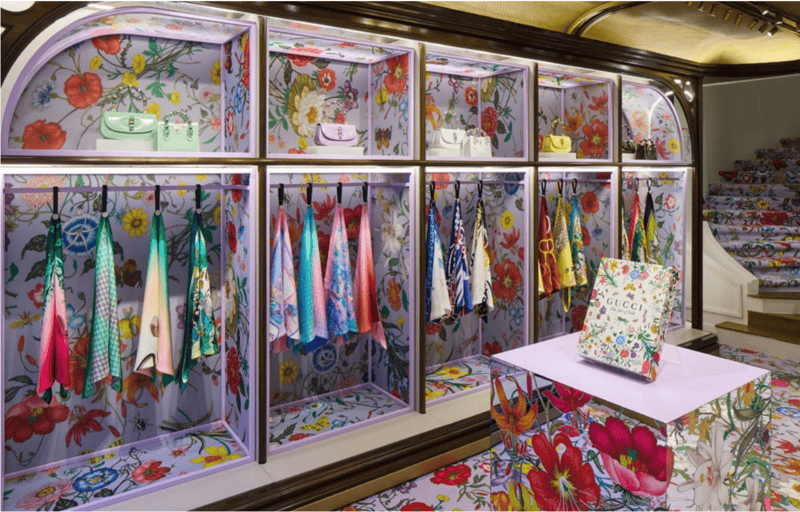
Gucci is committed to seamlessly integrating sustainability with superior technical performance to ensure the final product meets the exacting standards expected of a luxury house. Under this commitment, Gucci has been sourcing scientifically traceable cotton and silk made through regenerative and organic practices.
Designing for Wearable Sophistication
Beyond functionality and sustainability, 2026’s technical fabric trends are increasingly leaning into wearable sophistication.
No longer confined to niche sport or medical scenarios, high-tech fabrics are now being re-imagined through a design lens that prioritizes wearability, texture, and visual harmony, making cutting-edge technology accessible to everyday luxury and contemporary fashion segments.
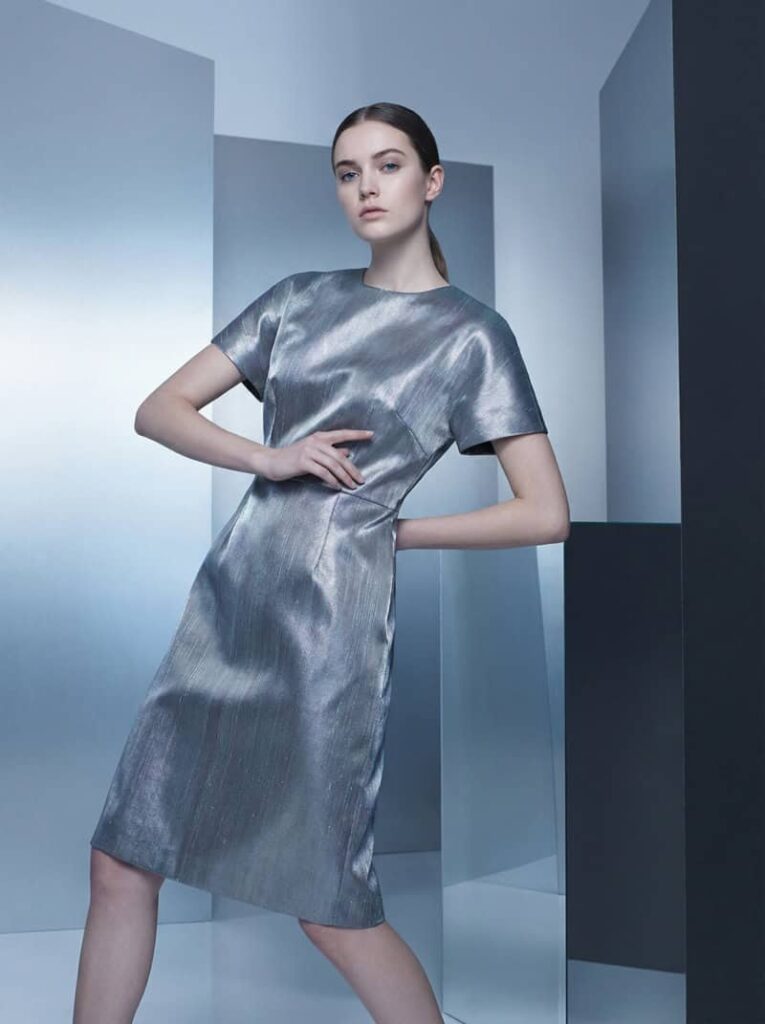
The fusion of high-tech and aesthetics is giving birth to Futuristic Elegance, a vision of tomorrow that is clean, polished, and purposeful, rejecting the cluttered, theatrical style often linked to cyberpunk.
Supported High-Tech Fabrics:
- Liquid Metal & Metallic Coated Fabrics
- Smart Thermo-Regulation & PCM Fabrics
- Bio-Based Super Leather
- 3D Printing & Additive Manufacturing
- Photochromic & Electrochromic Fabrics
- Supercritical Fluid Dyed Fabrics
Scenario-Adapted Recommendations for Men High-Tech Fashion Fabrics
The core design of men’s high-tech fashion fabrics lies in matching advanced materials with daily lifestyle needs. Grasping key demand scenarios (e.g., business commuting, outdoor adventure, and sports fitness) is essential for selecting fabrics that balance functionality, comfort, and style. Below is a concise breakdown of scenario-specific fabric recommendations and brand cases to highlight their practical value.
Business: Wrinkle-Resistant & Breathable Suit Fabrics
For business commuting, a polished look and all-day comfort are essential. That’s why high-tech suit fabrics, which are lightweight, breathable, and wrinkle-resistant, are the perfect choice. Usually blending modified synthetics (like polyester or polyamide) with natural fibers (such as wool or cotton), these materials stay crisp without constant ironing. Plus, their breathability improves airflow, keeping you cool and comfortable whether you’re in the office or on the move.

Outdoor Adventure: Waterproof & Protective Fabrics
Outdoor adventures expose men to unpredictable weather and harsh environments, requiring protective functional fabrics with waterproof, moisture-wicking, UV-protective, and antibacterial properties. Achieved via membrane lamination or hydrophobic treatments, waterproof and moisture-wicking features repel rain and wick sweat to keep the body dry. UV protection (via fiber additives/coatings) blocks UVA/UVB rays, while antibacterial treatments inhibit sweat-induced bacteria and odors, ensuring hygiene during long outdoor activities.

For outdoor enthusiasts, The North Face leverages GORE-TEX, a premium waterproof and breathable membrane fabric, in its men’s outdoor jackets. This advanced fabric effectively repels rain and wind while wicking away sweat, rendering the jackets ideal for hiking, camping, and other outdoor adventures where weather protection is paramount.
Sports Fitness: Stretchable & Quick-Drying Fabrics
Sports and fitness demand fabrics that enable free movement while effectively managing sweat. High-performance options like four-way stretch polyester, moisture-wicking mesh, and quick-drying recycled nylon stand out. Four-way stretch (infused with spandex or via warp-knit technology) allows unrestricted motion for running, gym sessions, or yoga. These fabrics use capillary action to draw sweat away from the skin to the surface for rapid evaporation, keeping the body dry and cool. Premium picks often integrate cooling fabrics such as Coolcore, enhancing comfort during intense workouts.
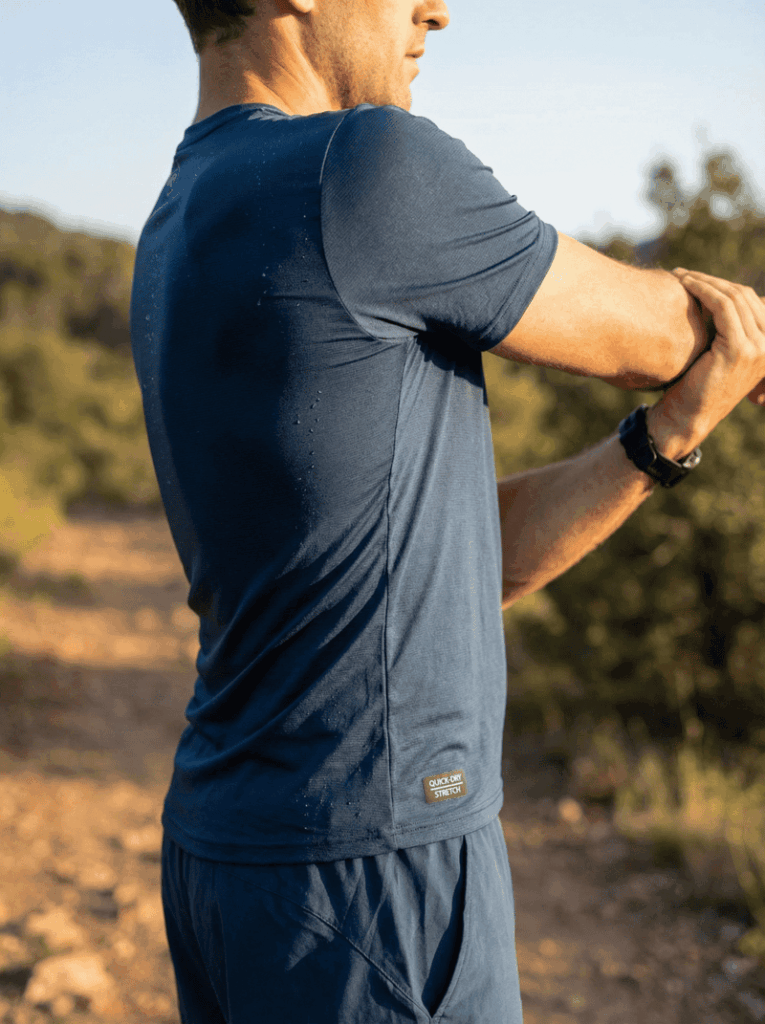
In the sports and fitness realm, Lululemon’s men’s activewear features Nulu™ fabric, a high-tech material known for its buttery softness, stretchability, and moisture-wicking capabilities. This fabric supports a full range of motion during workouts like running, gym training, or yoga, while efficiently wicking away sweat to keep the body dry, elevating the overall fitness experience.
How to Source High-Tech Fashion Fabrics Online
The digital era has drastically simplified the sourcing process for high-tech fashion fabrics, enabling designers, brands, and even hobbyists to access cutting-edge textiles from across the globe without stepping out of their studios.
However, the convenience of online sourcing comes with its own challenges, from verifying the authenticity of performance claims to ensuring the fabric aligns with design needs. To navigate this landscape successfully, a strategic approach that combines rigorous evaluation, smart tool usage, and targeted channel selection is essential.
1. Core Evaluation Dimensions for High-Tech Fashion Fabrics
Successful online sourcing hinges on a data-driven due diligence process. To cut through marketing hype, focus on three critical pillars: Quantifiable Performance Metrics, Authoritative Certifications, and Contextual User Feedback.
Prioritize Quantifiable Performance Metrics
Reject vague descriptors like “breathable” or “stretchy”. Insist on objective technical specifications that correlate directly with end-use functionality:
- GSM (Grams per Square Meter): The foundation of fabric quality, dictating drape, durability, and warmth.
- Stretch Recovery Rate: A benchmark for activewear; target >90% to ensure garments maintain their shape.
- Hydrostatic Head (mm): Measures water resistance; essential for outdoor and rainwear applications.
- MVTR (Moisture Vapor Transmission Rate): Quantifies breathability (g/m²/24h) to prevent overheating in performance wear.
Verify Authoritative Certifications
Credentials are only valuable if they are verifiable. Reputable suppliers will provide access to third-party lab reports. Key standards to verify include:
- OEKO-TEX® Standard 100: Confirms the absence of harmful substances (check for Class I, II, III, or IV classification).
- Global Recycled Standard (GRS): Validates the recycled content and supply chain traceability for sustainable tech fabrics.
- UPF 50+ Certification: Mandatory for textiles claiming ultraviolet protection.
Tip: Always cross-reference the certificate number with the issuing body’s database to ensure authenticity.
Conduct Contextual User Review Analysis
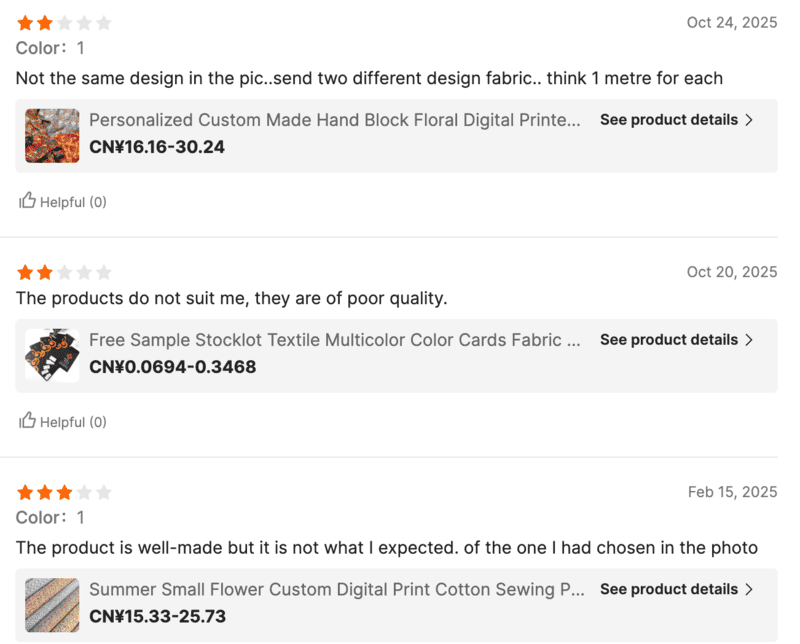
Look beyond the star rating. Scrutinize 1-3 star reviews to identify recurring issues such as color fading, pilling, or inconsistent yardage. For B2B purchases, request test swatches to conduct your own tactile and shrinkage tests.
2. AI Tools: Visualize Fabric Before Purchase
Online fabric sourcing often leaves designers guessing—will that technical fabric’s texture, pattern, or drape translate to the finished garment? AI visualization tools solve this pain point by letting you test fabrics digitally, and Fashion Diffusion stands out as a top choice, thanks to its standout fabric-focused function, Apply Fabric.
Apply Fabric is a dedicated tool to preview high-tech fabrics (e.g., waterproof membranes, recycled performance knits) on your desired garment silhouette. It turns flat fabric swatches into realistic, customizable previews, helping you avoid mismatched expectations.
How to Use Apply Fabric (4 Simple Steps):
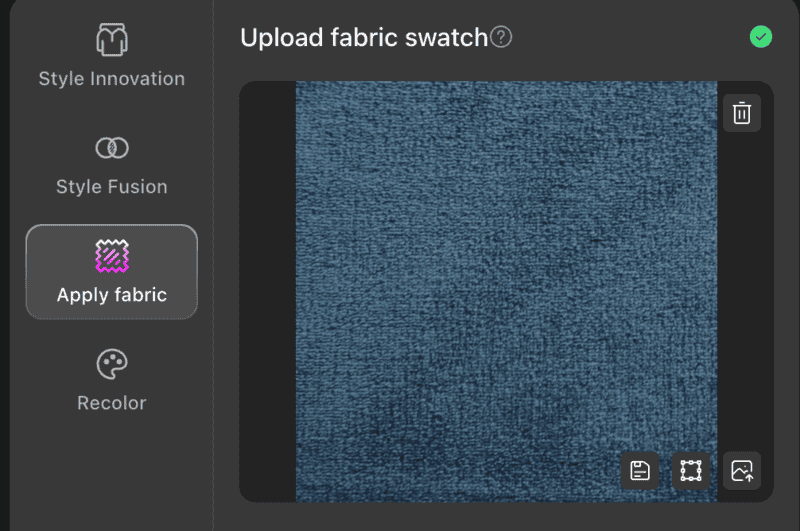
Upload your fabric swatch: Supports JPG/PNG files (up to 30MB), ideal for testing technical textiles like stretch knits or textured synthetics.
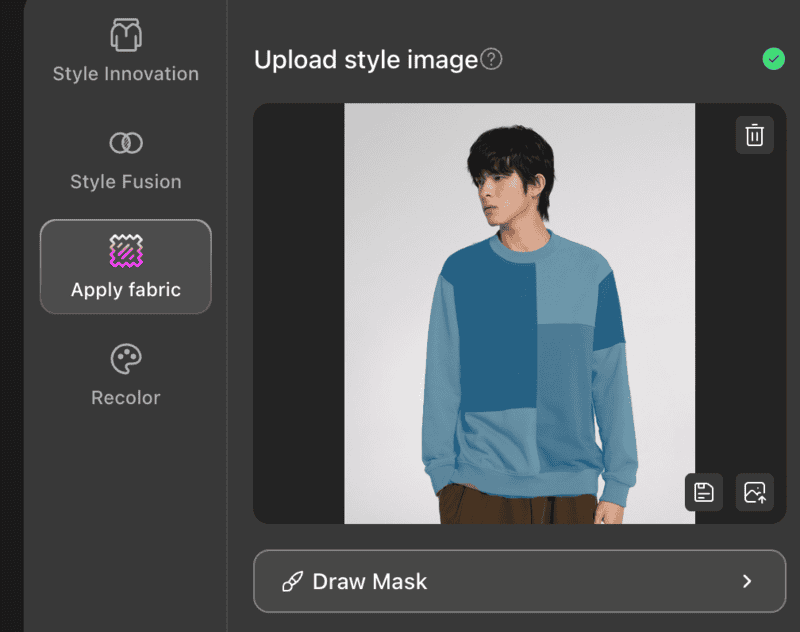
Add a style image: Upload a garment sketch, silhouette photo, or reference design (e.g., a jacket outline, activewear mockup).
Tweak custom settings:
- Pattern type: Choose “Repeatable” (for prints) or “Non-repeatable” (for unique textures).
- Scale (20–100): Adjust how the fabric’s pattern/texture appears (e.g., shrink a bold print or enlarge a subtle weave).
- Opacity (40–100): Perfect for sheer technical fabrics (e.g., lightweight breathable layers) or layered designs.
- Rotation (-30–30°): Align patterns (e.g., stripes, geometric tech prints) with your garment’s lines.
Generate & preview: Click Generate to see your fabric applied seamlessly to the design.
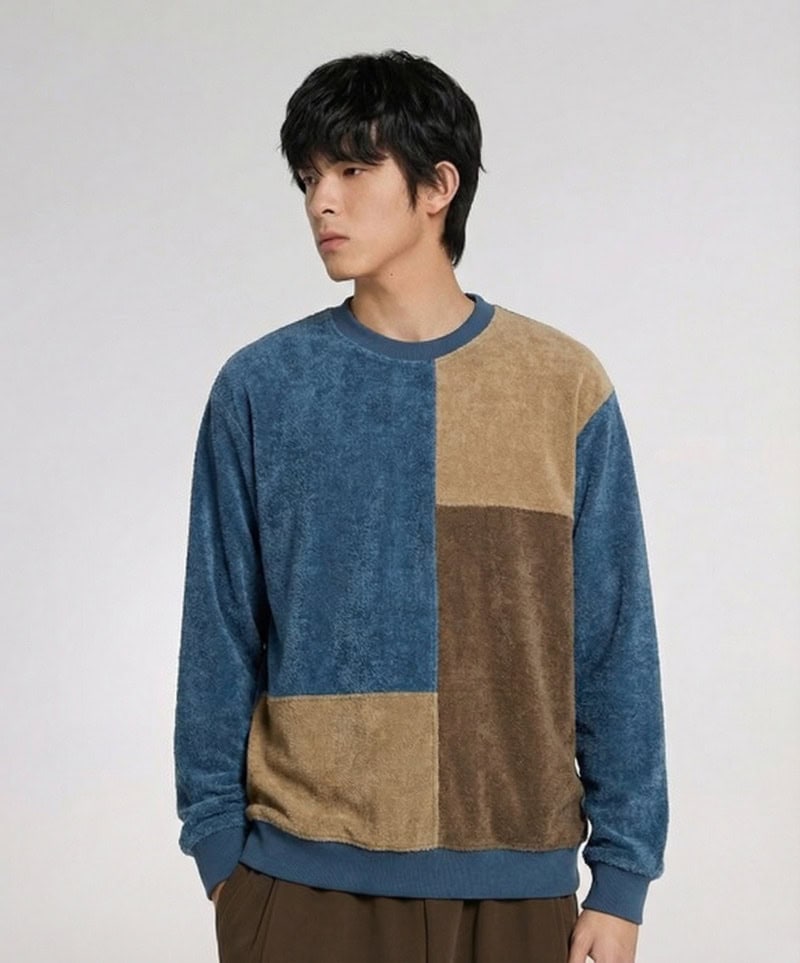
Key Advantages for High-Tech Fabric Sourcing:
- Eliminates guesswork: Visualize drape, texture, and technical details such as a fabric’s water-resistant sheen before making a purchase. This is critical for performance textiles where function and design go hand in hand.
- Saves time and resources: Reduce the need for sample orders by testing multiple fabrics digitally upfront.
- User-friendly: No advanced skills are needed, making it suitable for brands, independent designers, and hobbyists alike.
3. Reliable Online Channels for High-Tech Fashion Fabrics
Not all online marketplaces are created equal. For high-tech textiles, you need channels that cater to technical specifications and B2B transactions.
Specialized B2B Tech Fabric Marketplaces
These platforms are curated for performance textiles and often have strict supplier verification processes.
- Thomasnet: A goldmine for industrial and technical fabrics. It allows you to filter suppliers by material composition (e.g., “Gore-Tex”, “Spandex”, “Carbon Fiber”) and request quotes directly.
- Alibaba: While vast, it requires careful vetting. Look for the Trade Assurance badge and suppliers with a high On-Time Delivery rate. Focus on suppliers specializing in Functional Fabrics or Activewear Materials.
- Fashion Snoops: Although primarily a trend service, it offers direct links to verified mills producing cutting-edge textiles.
Direct-to-Consumer (DTC) Tech Fabric Retailers
Ideal for small-batch designers or hobbyists who need yardage rather than container loads.
- Spandex House (NYC): A staple for performance fabrics, offering a wide range of activewear knits, neoprene, and technical shells.
- Minerva Crafts (UK/EU): Known for its extensive range of high-quality fabrics, including sustainable tech options like recycled polyester and waterproof membranes.
- Stoff & Stil (Scandinavia): A great source for European-designed technical fabrics with a focus on sustainability and outdoor performance.
Brand Direct Sourcing
Many major performance brands now sell their signature fabrics directly to designers.
- Invista: The inventors of Lycra offer a Fabric Finder tool to locate authorized mills producing their technologies.
- Schoeller Textiles: A leader in innovative fabrics (e.g., 3XDRY, Coldblack). Their website provides a list of distributors worldwide.
Key Takeaway
Always start with a small sample order (1-5 yards) regardless of the channel. This allows you to conduct physical tests (burn tests for fiber content, wash tests for durability) before scaling up.
Unlock the Full Potential of High-Tech Fashion Fabrics With Fashion Diffusion
The era of passive clothing is over. 2026 is the year where your wardrobe becomes an extension of your lifestyle, that is smart, sustainable, and seamlessly functional. From the boardroom to the backcountry, high-tech fabrics are not just an upgrade; they are a revolution in how we experience fashion.
But why imagine the possibilities when you can see them firsthand?
Don’t let the limitations of traditional sourcing hold back your innovation. Unlock the potential of these cutting-edge materials and bring your most ambitious designs to life. Use Fashion Diffusion to visualize the future of fabric today.
FAQ
High-tech fabrics are engineered textiles designed for specific functions beyond aesthetics, offering properties like moisture-wicking, waterproofing, durability, temperature regulation, and even embedded electronics, using advanced technologies such as nanotechnology and biotechnology for applications in sports, healthcare, workwear, and aerospace.
A fashion fabric is the primary material used for the visible, outer part of a garment, chosen for its look, feel, and how it drapes, stretches, or holds shape to achieve a specific design, distinguishing it from linings or interfacing, and it encompasses everything from everyday cotton to luxury silks, tailored to current trends or timeless styles.
The fabric trends for 2026 blend sustainability with luxurious textures and bold statements, emphasizing eco-friendly materials (organic cotton, hemp, recycled fibers) and innovative tech fabrics alongside tactile options like velvet, bouclé, and fuzzy furs, plus a return to bold prints, sheer fabrics, and metallics, all focused on feeling, function, and future-forward design for both fashion and interiors.
Generally, yes. High-tech fabrics often require advanced manufacturing processes, specialized materials, or research and development, which can increase costs, though prices vary based on the technology and application.


