

Not sure which hat suits your face shape? The right crown height, brim width, and overall silhouette can make a noticeable difference in how a hat looks on you.
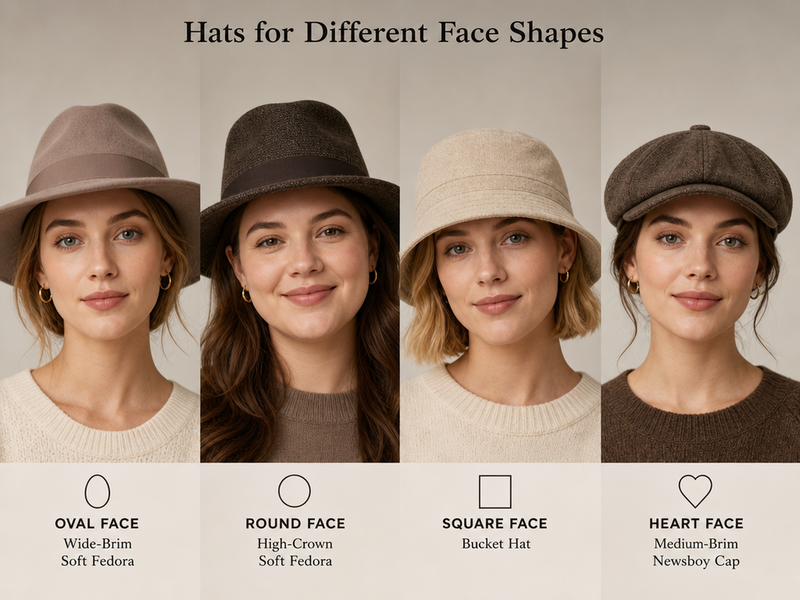
An oval face may work with almost any hat style, while a round face can benefit from extra height and structure. Square faces often pair well with softer, curved shapes, and heart-shaped faces can look balanced with medium-width brims.
But face shape is only a starting point. Your hairstyle, hat proportions, and the way you wear a hat can all change the final look. This guide breaks down the best hats for oval, round, square, and heart-shaped faces—and shows how to use an AI virtual try-on tool to test different styles on your own photo.
How to Choose the Best Hat for Your Face Shape
Choosing a hat is less about following strict fashion rules and more about understanding proportions. Three details can make the biggest difference: crown height, brim width, and the overall shape of the hat.
Crown Height
The crown is the part of the hat that sits above your head. Its height can change the perceived proportions of your face. A taller crown adds vertical height and can make the overall silhouette appear longer. A low crown creates a more compact look, while a medium crown tends to work across a wide range of face shapes.
For example, adding some crown height can be useful when you want to create more vertical balance with a round face.
Brim Width
The brim changes how much horizontal space the hat creates around your face. Narrow brims tend to create a more streamlined look, while medium and wide brims create more visual width. The best choice depends on both your face shape and the size of the hat relative to your features.
A brim that is too small can sometimes make a wider face appear more prominent, while an oversized brim can overwhelm smaller features.
Shape, Structure, and Angle
The shape of the crown and brim matters just as much as their size. Structured, angular hats can add definition to softer facial contours. Rounded crowns and curved brims can create contrast with a strong jawline. Even the angle at which you wear a hat can change the overall effect.
Instead of looking for one universally best hat, think about whether the hat adds the kind of proportion and contrast you want. AI virtual try-on is especially useful when you want to compare specific products rather than general hat styles.
Best Hat Styles for Oval Faces
Some styles to experiment with include:
- Fedora
- Wide-brim hat
- Baseball cap
- Bucket hat
- Beret
- Panama hat
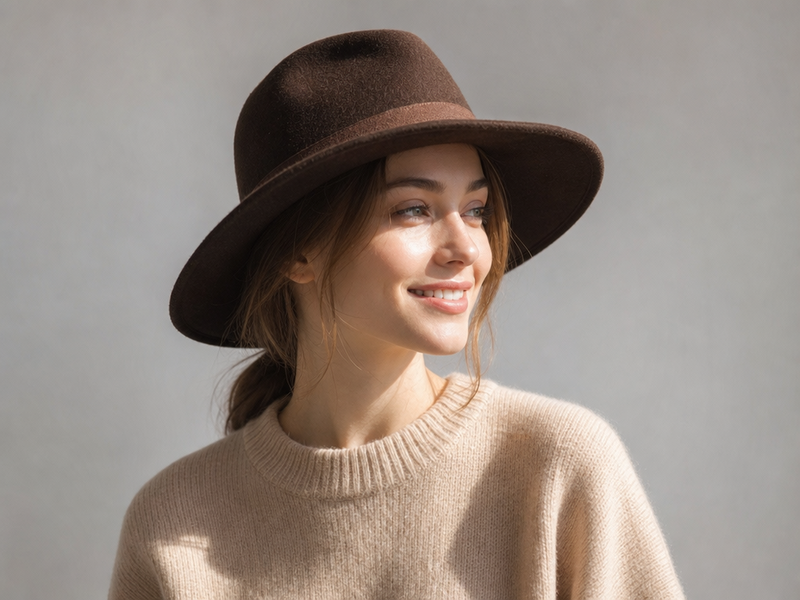
There is no need to limit yourself to one specific silhouette. Different crown heights and brim widths can work well on an oval face, making it one of the easiest face shapes for experimenting with hats.
Why These Hats Work
The natural balance of an oval face gives you more freedom to change the proportions of the hat. A classic fedora can add structure without making the face look overly long. A bucket hat creates a softer, casual silhouette, while a wide-brim hat can give the outfit a more dramatic fashion look.
If you are looking for the best hat for an oval face, the most useful approach is to experiment with different proportions rather than following a single rule.
Hat Styles to Experiment With
Oval faces are particularly suitable for statement styles. Try comparing a structured fedora, an oversized bucket hat, and a wide-brim hat to see which one fits your personal style best.
The difference can be surprisingly noticeable even when the face and outfit remain exactly the same.
Best Hat for a Round Face
A round face tends to have similar width and length, with softer contours and a less angular jawline. When choosing a hat for a round face, adding some vertical height or structure can help create more definition.
Best Hat Styles for Round Faces
Good styles to experiment with include:
- Fedora
- Trilby
- Structured baseball cap
- Cowboy hat
- Baker boy or newsboy cap
- Panama hat
The exact effect depends on the proportions of the individual hat, so the same style can look quite different from one person to another.
Why Height and Structure Work
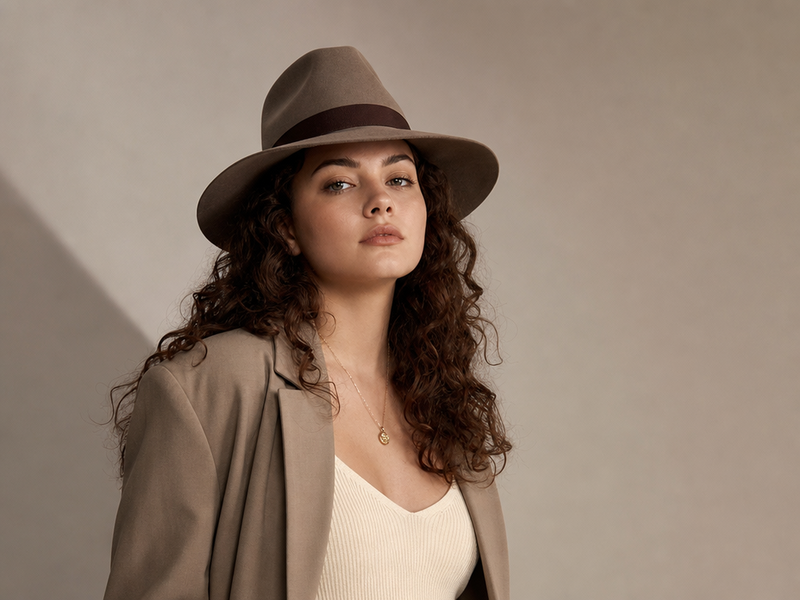
A taller crown can add verticality to the overall silhouette, while a structured shape introduces more definition.
For example, a fedora with a medium or taller crown can create a longer visual line. A structured baseball cap can provide a more defined shape than a very soft, low-profile cap. A medium or slightly wider brim can also create useful contrast with the rounded contours of the face.
Hat Styles to Be Careful With
Very low-profile, tightly fitted, or extremely rounded hats may emphasize the natural roundness of the face.
That doesn’t mean you need to avoid these styles completely. If you like a low-profile cap or beanie, hairstyle, color, and how high you wear the hat can all change the result. The goal is to understand the effect rather than follow a strict list of rules.
Best Hat for a Square Face
Square faces are typically characterized by a defined jawline, broader proportions, and more angular facial contours. If you want to create a softer overall look, rounded and curved hat shapes can provide useful contrast.
Consider trying:
- Bucket hat
- Beret
- Cloche
- Rounded-crown fedora
- Soft floppy hat
- Newsboy cap
These styles introduce curves and softer lines around the face.
Why Rounded Shapes Work
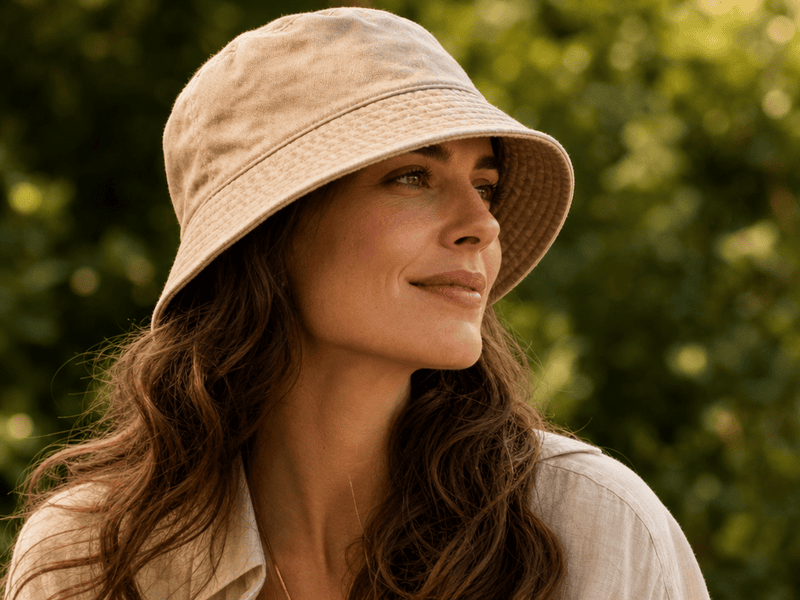
A rounded crown or curved brim can create a visual counterpoint to a strong jawline.
For example, a bucket hat can soften the overall silhouette, while a beret creates a relaxed shape without adding too much height. A rounded-crown fedora can provide structure while keeping the silhouette from looking overly angular.
If you are searching for the best hat for a square face, look beyond the name of the hat and pay attention to the actual shape of the crown and brim.
What to Watch Out For
Very boxy crowns, flat geometric shapes, and extremely sharp angles can emphasize the angular quality of a square face.
However, structured hats are not automatically a bad choice. A structured hat with a curved brim or rounded crown can still create a balanced result.
Best Hat for a Heart-Shaped Face
A heart-shaped face is typically wider around the forehead and cheekbones and becomes narrower toward the chin. The goal when choosing a hat is often to create a balanced relationship between the upper and lower parts of the face.
Some styles worth trying include:
- Medium-brim fedora
- Trilby
- Newsboy cap
- Cloche
- Baseball cap
- Panama hat
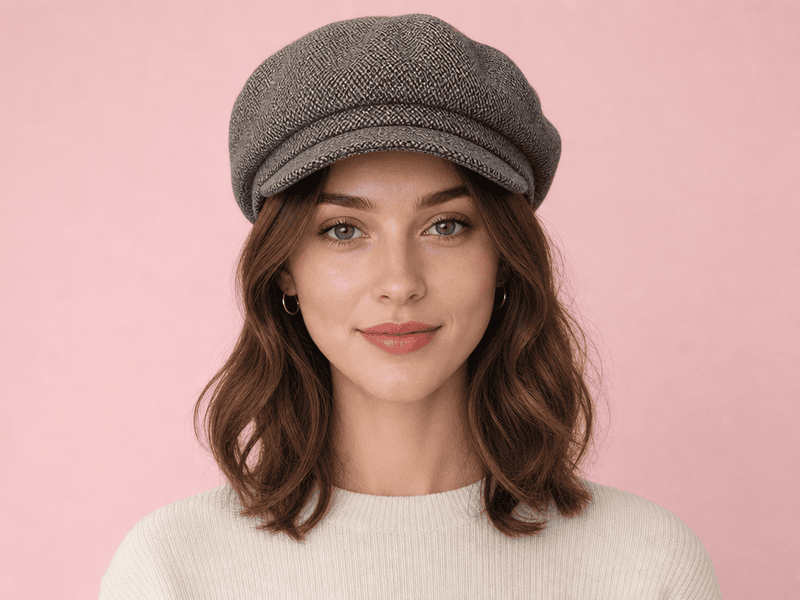
Medium proportions are often a useful starting point because they can add definition without making the upper part of the face feel disproportionately wide.
Why Medium Brims Work
A medium-width brim can help create balance between a wider forehead and a narrower chin. A fedora with a moderate brim can add structure without overwhelming the face. A newsboy cap or cloche can create a softer silhouette, while a classic baseball cap offers a more casual option.
When choosing a hat for a heart-shaped face, consider the entire silhouette rather than focusing only on the brim.
Hat Styles to Experiment With Carefully
Extremely wide brims or very tall crowns can sometimes draw additional attention to the upper part of the face.
Again, these are guidelines rather than strict rules. The right size, hairstyle, color, and styling can make a significant difference.
Hat for Face Shape: Quick Comparison Chart
Use this chart as a starting point, then consider how the actual hat proportions work with your hairstyle and overall look.
| Face Shape | What to Look For | Hat Styles to Try |
| Oval | Balanced proportions and flexible silhouettes | Fedora, bucket hat, beret, wide-brim hat |
| Round | Height, structure, and definition | Fedora, trilby, cowboy hat, structured cap |
| Square | Curved and softer shapes | Bucket hat, beret, cloche, rounded fedora |
| Heart | Balanced, medium proportions | Medium-brim fedora, newsboy cap, cloche |
How to Try On Hats for Your Face Shape with AI
Fashion Diffusion’s virtual hat try-on lets you test any hat on your own photo in seconds. No app to download, no account required to start.
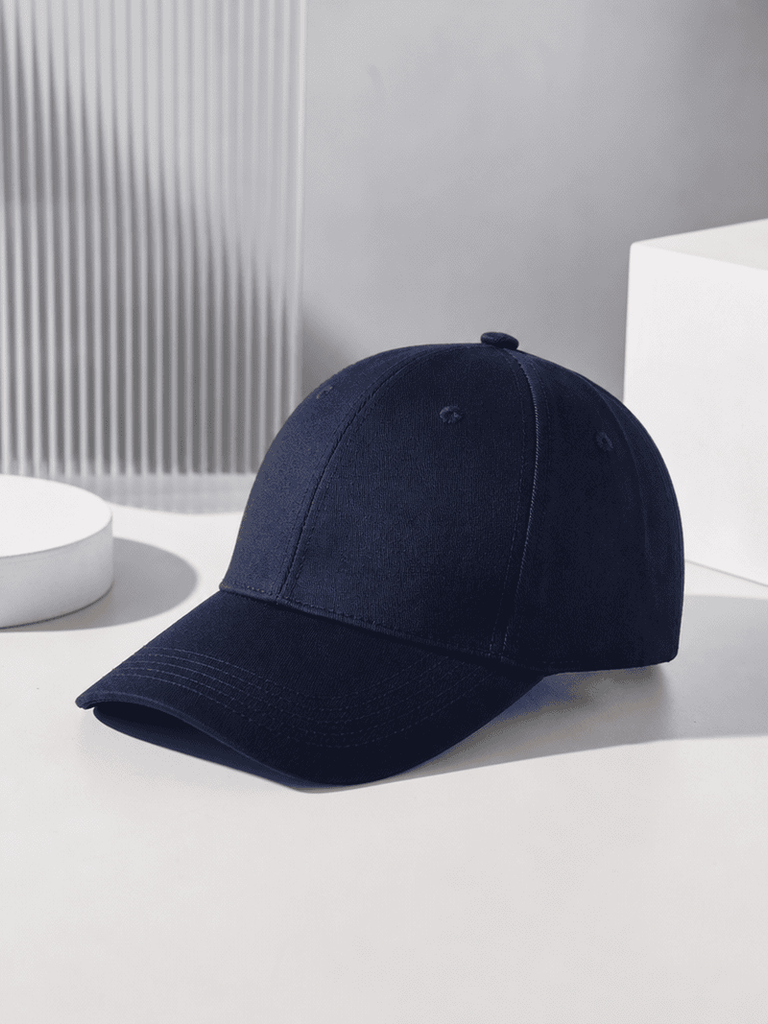
Step 1: Find the Hat You Want to Try
Save any product image from a brand’s website, Pinterest, or anywhere online. A clean product shot works best — the AI reads the hat’s shape, crown height, and brim width automatically from the image.
Step 2: Upload Your Photo
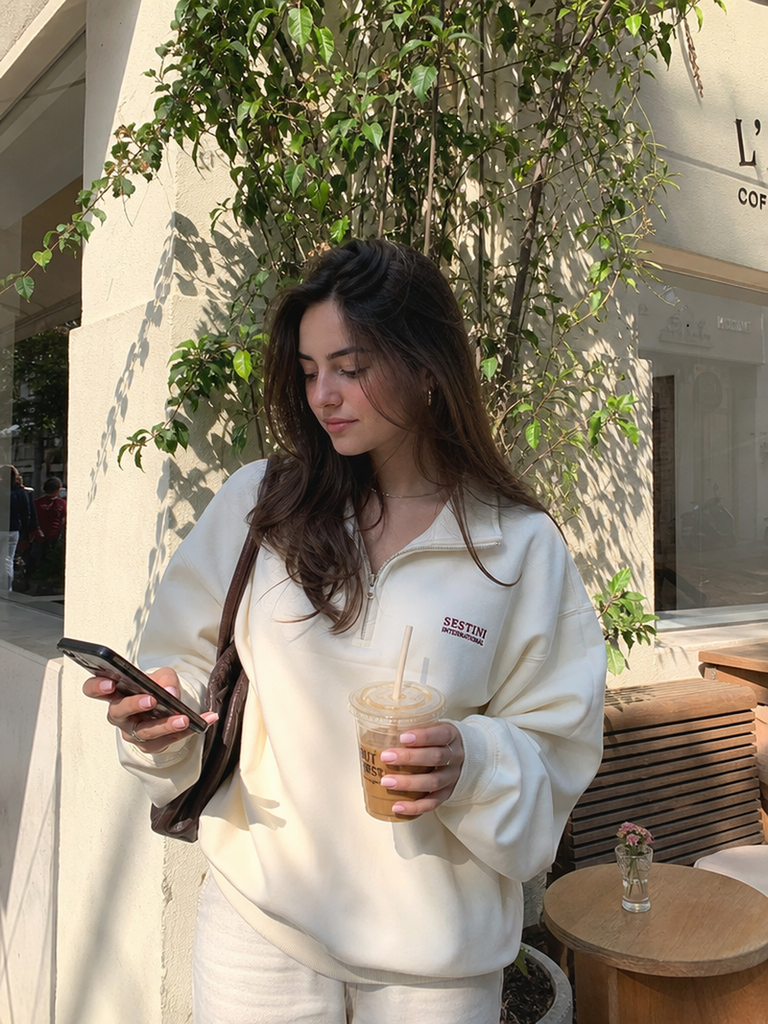
Use a well-lit, face-forward photo with the top of your head clearly visible. The AI uses your actual face proportions to place the hat at accurate scale — which is exactly what the written guidelines are trying to approximate. Using your own photo rather than a model’s removes the guesswork entirely.
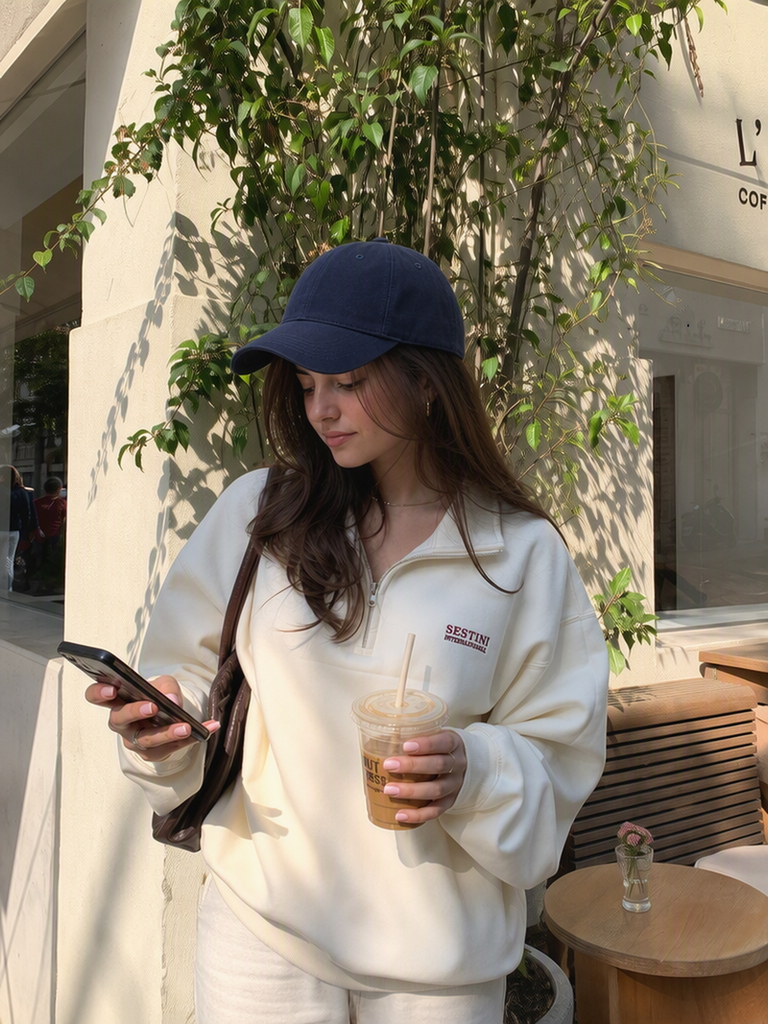
Step 3: Generate and Compare Styles on the Same Photo
Upload the same photo with different hat images to compare how each style reads on your face. A bucket hat versus a fedora on the same photo tells you more than any written guide. Because the proportions are consistent across comparisons, the differences you see are genuinely about the hat — not about lighting, model choice, or photography angle.
What Else Affects How a Hat Looks on You
Face shape is useful, but it isn’t the only factor that determines whether a hat looks good.
Hairstyle
Your hairstyle can change how much of your face and head is visible around the hat.
Long, voluminous hair can create a very different silhouette from short hair. Bangs, curls, and layered hairstyles can also change how a hat frames the face.
That’s why a hat that looks ideal on a face-shape chart may still look different when paired with your actual hairstyle.
Hat Size and Proportion
A hat should also make sense in relation to your overall proportions.
A very large wide-brim hat can overwhelm a smaller frame, while a tiny hat may look visually insignificant on someone with a larger frame or fuller hairstyle.
When testing hats, compare the size of the hat with your head, face, hair, and outfit—not just the face shape itself.
Outfit and Personal Style
A hat should also work with the rest of the outfit.
A structured fedora might suit a tailored outfit, while a bucket hat can feel more natural with casual streetwear. A wide-brim hat can create a stronger fashion statement with a flowing dress or minimalist resort look.
If you want to confirm the pairing before committing, you can use the same photo to change clothes in a photo with AI and see how a hat sits against a different top, jacket, or dress before deciding on the final look.
Find Your Best Hat by Trying, Not Guessing
Face-shape guides are a useful starting point, but there is no single hat that automatically works for everyone with the same face shape. Use face shape to narrow down your options, then compare different crown heights, brim widths, and silhouettes on your own photo — the guidelines here are meant to point you in a direction, not lock you into one.
Try different hats with Fashion Diffusion and see which style actually fits your look. New accounts start with free credits.
FAQ
The fedora is the most versatile option—it works well on oval, round, and heart-shaped faces, with crown height and brim width determining the exact effect. A medium-crown, medium-brim fedora is the safest starting point for most people.
Yes. Fashion Diffusion’s virtual hat try-on lets you upload any hat product image alongside a photo of yourself to see how it looks on your face before you buy. New accounts start with free credits.
Yes, significantly. Thick hair adds volume under the hat and can change how it sits. Fine hair may cause some hats to slide. Your hairstyle—up, down, or pulled back—also changes the overall effect, which is why using a photo with your actual hair is more useful than any written guideline.
Look at your face straight-on in a mirror or a photo. If the width and length are similar, likely round. If it’s longer than wide with balanced proportions, likely oval. If the jawline is strongly defined and wide, likely square. If the forehead and cheekbones are wider than the chin, likely heart-shaped. When in doubt, try on a few styles virtually and trust what you see.
No. Face shape guidelines are a starting point for understanding proportion and contrast—not rules to follow rigidly. Hairstyle, hat size, angle, and personal style all affect the result. The most useful thing you can do is try options on your own photo and see what actually works.


