

The fashion industry demands unprecedented speed and precision, and today’s digital design tools are ready to deliver. From early sketches to 3D simulations and final outputs, these tools enhance precision, accelerate iteration, and expand creative possibilities.
In this guide, we spotlight 12 essential tools that elevate every stage of the design process, enabling a smarter, more streamlined, and more innovative way to create.
1. Fashion Diffusion — AI-Powered Fashion Design
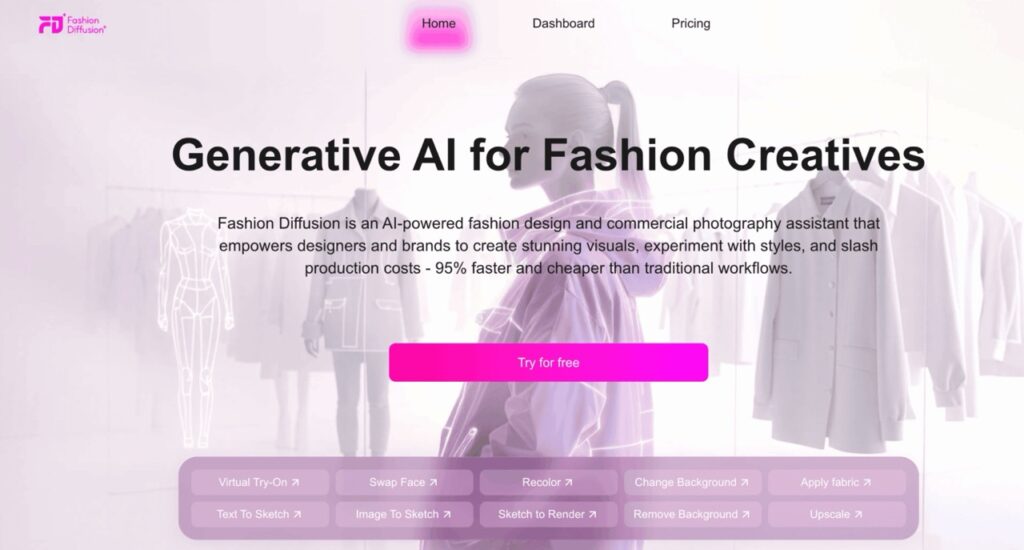
If you’re looking for an all-in-one platform that supports the entire fashion design workflow, Fashion Diffusion stands out as the ultimate choice.
It brings AI into the clothing product development pipeline, allowing designers to accelerate style creation while cutting the cost of traditional commercial photography.
By accurately recognizing key garment elements like silhouette, fabric, and construction details, Fashion Diffusion can generate clean sketches, polished renders, and PDP-ready virtual try-on images from simple text prompts or reference photos.
The platform also excels as an inspiration engine. When you hit a creative block or fall into repetitive design patterns, its style innovation feature can instantly produce diverse variations using a short prompt or two contrasting garment references.
For designers aiming to design faster, explore more ideas, and increase output with less effort, Fashion Diffusion is a strong companion to add to the digital toolkit.
2. Vogue Runway — Fashion Inspiration
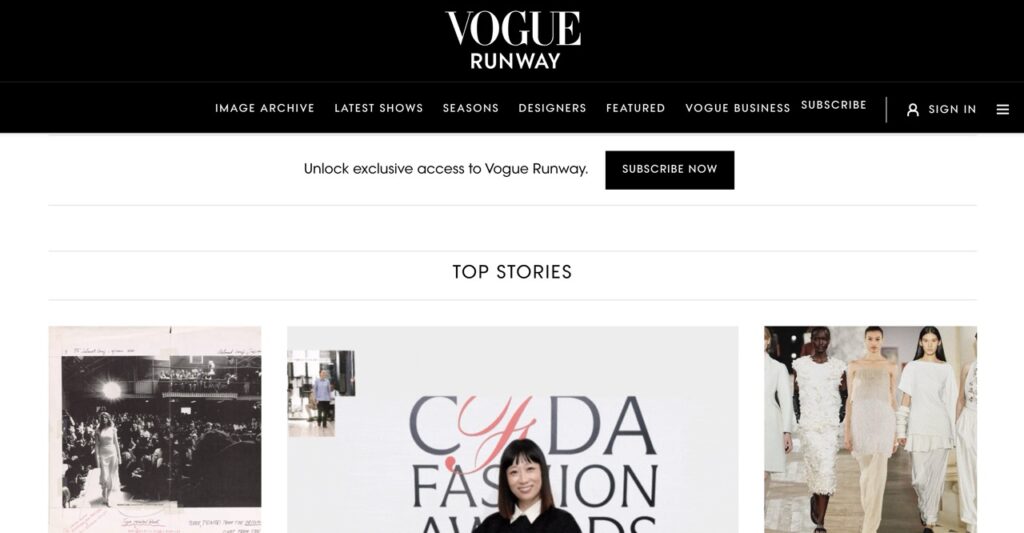
Vogue Runway is Vogue’s comprehensive digital platform and app dedicated to real-time fashion show coverage. It provides full runway collections, high-resolution look images, expert reviews, trend breakdowns, and an extensive archive of past seasons. All of these features establishes it as one of the most authoritative sources for tracking the trends of global fashion.
With instant access to thousands of shows across major fashion capitals, Vogue Runway gives designers a powerful way to stay ahead of seasonal shifts, identify emerging styles, and reference historical collections.
3. Heuritech — Trend Prediction
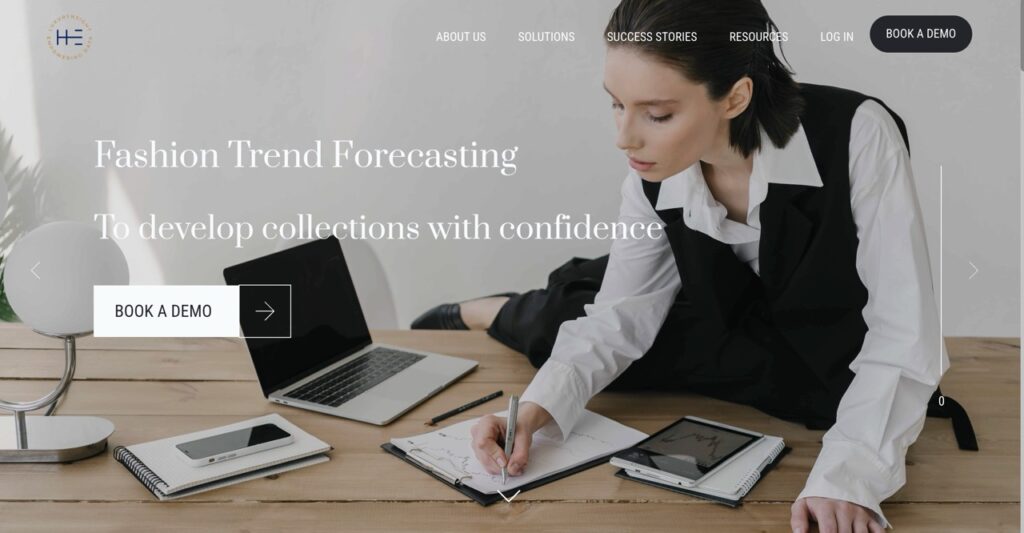
Heuritech is a fashion tech firm offering image recognition and predictive analytics to forecast trends in luxury and apparel.
Its AI analyzes vast volumes of visual content—from social media, runways, and e-commerce—to deliver clear, data-driven trend insights. By spotting trends before they go mainstream, Heuritech enables brands to forecast consumer demand with improved precision.
4. Make the Dot — Collaborative Moodboard

Make the Dot is a collaborative moodboarding tool designed specifically for fashion teams. With its collaborative design canvas, multiple stakeholders—designers, merchandisers, and creative directors—can work together on one board. This ensures faster alignment on themes, colors, silhouettes, and fabric direction.
For teams aiming to turn scattered inspiration into a unified creative vision, Make the Dot provides an intuitive workspace. It enhances clarity, speeds decision-making, and reduces back-and-forth during concept development.
5. Procreate — Digital Sketch & Illustration
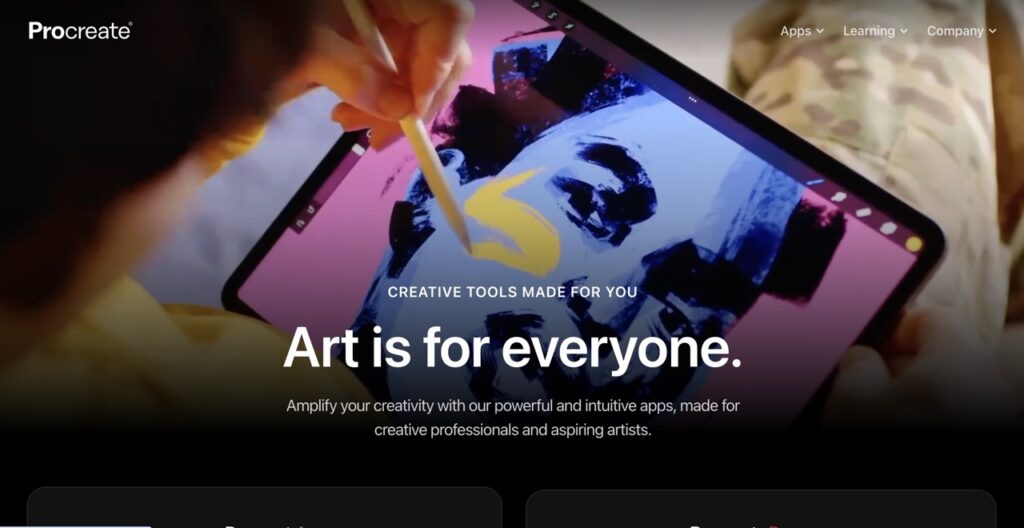
Procreate is a top digital illustration app for iPad, offering a fast, intuitive tool for sketching and concept development. With advanced brushes, layering tools, and gesture controls, Procreate combines the fluid, tactile feel of traditional drawing with the power and versatility of digital editing.
6. Adobe Illustrator — Precision Vector Drafting
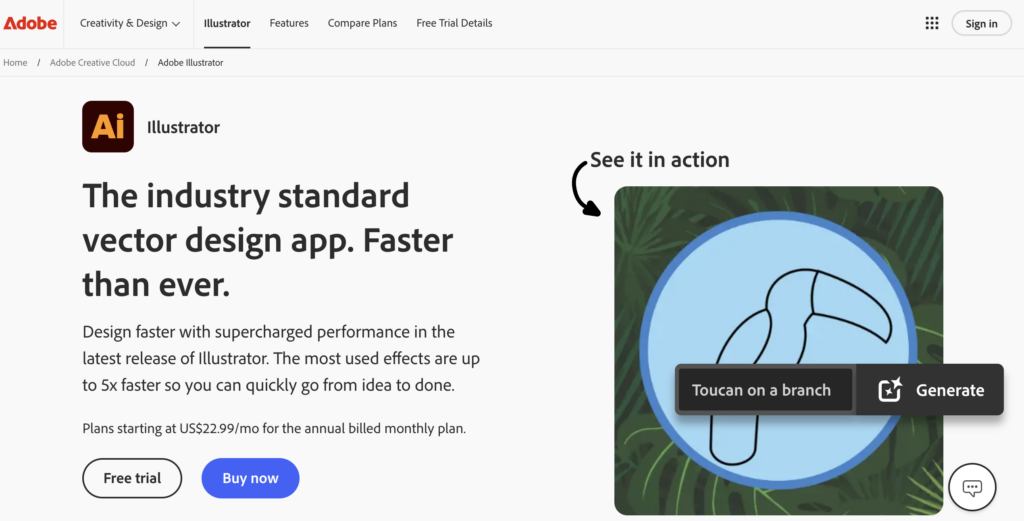
Adobe Illustrator is an industry-standard vector graphics software widely used to create precise, scalable illustrations and technical flats.
Illustrator offers robust tools for layering, path editing, typography, and color management. It enables designers to create precise line drawings, detailed garments, and complex design elements for both sketches and technical production.
7. Repsketch — Quick Fashion Sketch Templates
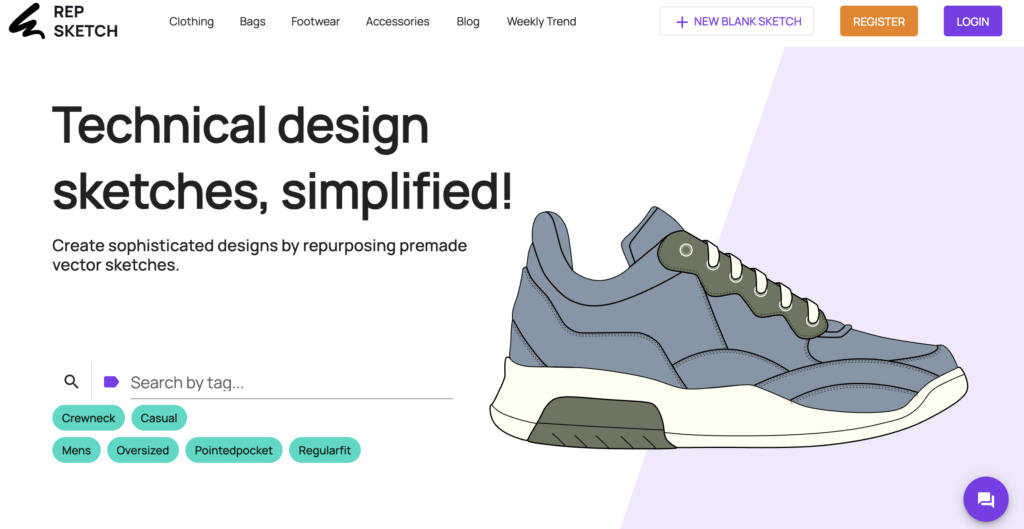
Fashion designers often lack the time required to produce detailed, hand-drawn sketches; consequently, a specialized rapid sketching platform becomes essential.
Repsketch addresses this with a large library of clean, customizable fashion templates. Designers can skip a blank page and dive directly into concept development, iterating freely on ideas.
8. CLO 3D — 3D Garment Design
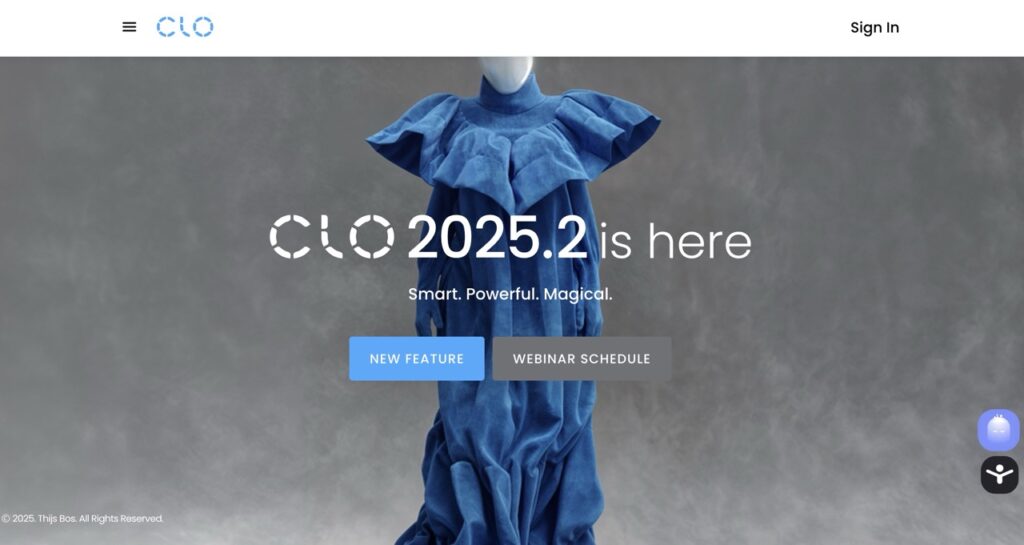
CLO 3D is professional 3D fashion design software, enabling designers to create realistic garments with accurate fabric, fit, and drape. Teams can visualize designs on virtual avatars, adjust patterns, and experiment with materials before making physical samples.
Equipped with tools like pattern drafter, texture editor, and avatar fitting, CLO 3D streamlines the prototyping process and reduces reliance on costly samples, providing a complete solution for digital garment creation.
9. Browzwear VStitcher — Virtual Prototyping
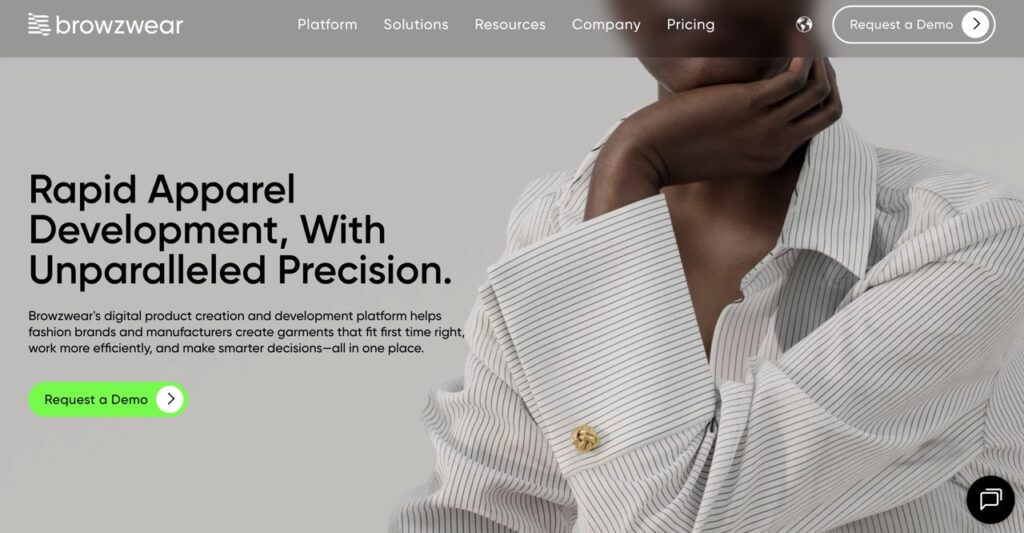
Browzwear is a leading platform for digital garment design, enabling brands, designers, and manufacturers to create, visualize, and optimize garments entirely digitally. It revolutionizes the traditional sampling process with its core product, VStitcher and Stylezone.
VStitcher offers realistic 3D garment simulation, letting designers adjust patterns and test fabrics virtually to resolve fit issues early and reduce physical samples. Stylezone complements it with a cloud-based space for reviewing, approving, and sharing virtual samples in real time, keeping teams and manufacturers aligned.
Together, Browzwear delivers a comprehensive solution for faster, more accurate, and fully digital product development.
10. Techpacker — Tech Pack Management
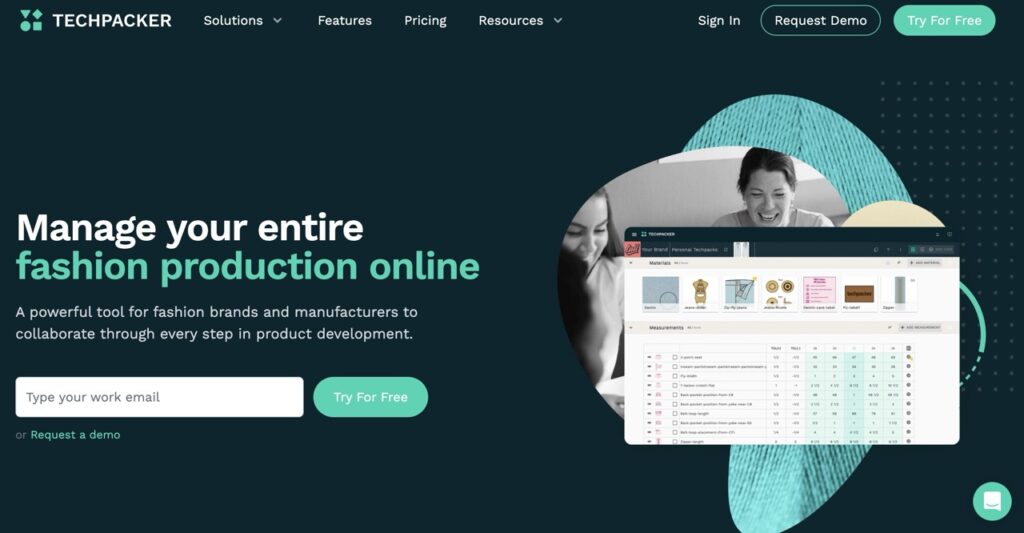
Creating accurate tech packs is crucial for smooth fashion production—but it can be time-consuming and error-prone. Techpacker simplifies this process by allowing designers to turn sketches or mock-ups into ready-to-use tech packs in minutes, collaborate with factories, and track production progress effortlessly.
Using a visual, card-based system, Techpacker organizes design details—sketches, materials, measurements, and more—making it easy for teams and manufacturers worldwide to collaborate, monitor changes, and accelerate the sampling process.
11. Sewport — Manufacturer Matching

Finding the right manufacturer for your fashion brand isn’t easy, especially when you need quality, reliability, and efficiency. That’s where Sewport comes in.
This B2B platform connects designers and brands with a global network of verified garment manufacturers, allowing you to browse factory profiles, request quotes, and manage production—all in one place.
Once you submit your finalized tech pack and design files, Sewport immediately matches you with suitable factories and centralizes your entire production workflow, offering full transparency from start to finish.
12. Mood Fabrics — Fabric Sourcing
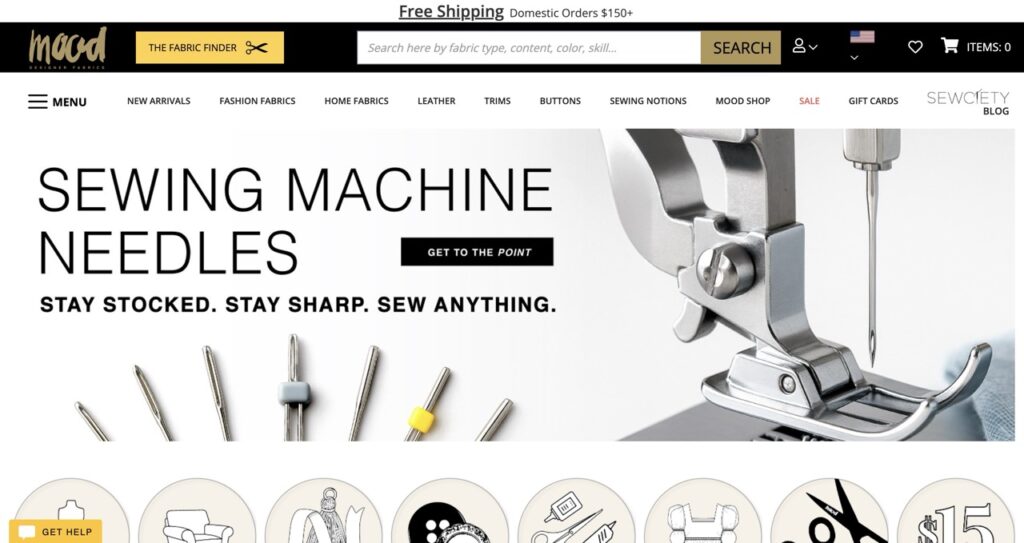
Mood Fabrics is a premier online fabric retailer known for its extensive selection of high-quality textiles used in fashion design, sewing, and costume creation.
Based in New York City—with additional locations and a fully stocked e-commerce platform—it offers designers access to thousands of fabrics ranging from luxury silks and wools to denim, lace, and specialty materials.
The Essential Toolkit for Clothing Design
To wrap things up, here’s a simple, at-a-glance summary of all the tools we covered. Think of it as a quick cheat sheet to help you decide which platforms fit your design needs the best.
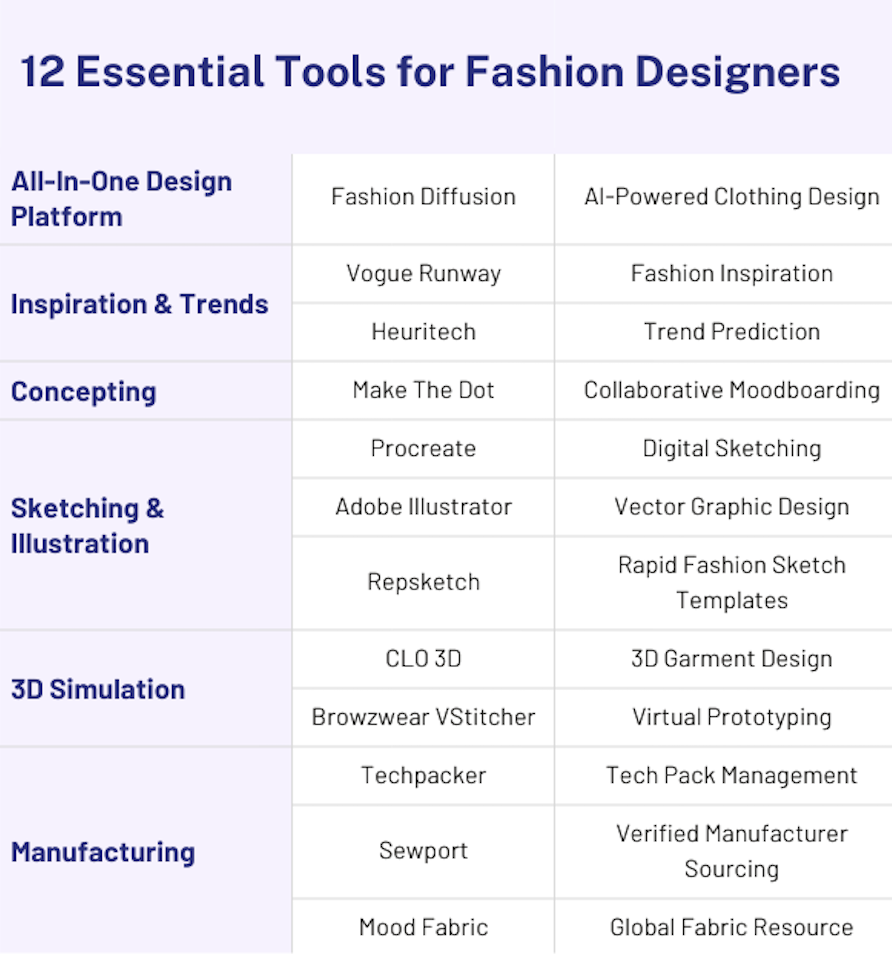
For those seeking a single platform that brings the entire digital fashion workflow together, Fashion Diffusion offers unmatched speed, flexibility, and creative power.
By unifying multiple stages of the design process into one streamlined workspace, it eliminates tool-switching, reduces production costs, and helps teams move from concept to polished visuals in minutes rather than days.
As AI reshapes the industry, Fashion Diffusion gives you an all-in-one, future-ready workflow to design faster and smarter—starting now.
FAQs
Most designers today combine 2D sketching apps and 3D garment software for their work. Recently, many have begun using AI fashion design tools such as Fashion Diffusion to create ideas faster and produce higher-quality design assets.
Traditional technology used for fashion design includes digital drawing apps, 3D design software, and cloud collaboration platforms. Additionally, AI platforms are increasingly utilized to predict fashion trends and rapidly generate designs.
Many fashion companies rely on established CAD tools like CLO 3D and Browzwear’s VStitcher. Style3D has also emerged as a fast-growing option thanks to its AI-powered tools and cloud ecosystem.
Canva allows you to put together simple apparel designs using its templates and design elements. For professional fashion design—like patterns, tech packs, or 3D samples—you’ll need dedicated tools such as CLO 3D or Fashion Diffusion.


