

In a world where style is both self-expression and cultural storytelling, fashion designers stand as the architects of what we wear. They turn fleeting inspirations into tangible pieces that shape trends, empower identities, and mirror the spirit of the times. Behind every garment lies a journey of research, creativity, technical precision, and adaptability.
Today, this journey is being redefined: traditional craftsmanship meets cutting-edge AI, opening new doors for both seasoned pros and self-taught visionaries.
This guide pulls back the curtain on everything you need to know about fashion designers: their roles, their specialties, the legends who shaped the industry, and how AI fashion design tool is making design more accessible, efficient, and bold than ever before.
Define Fashion Designer: What Is a Fashion Design Person
A Fashion Designer is a creative professional who conceptualizes, develops, and brings clothing and accessories to life. They are the visionaries behind the garments we wear, responsible for everything from the initial spark of inspiration to the final product hanging on a rack.
At the core of their work, fashion designers study current trends, sketch designs, select fabrics and colors, and oversee the technical process of turning those sketches into wearable items. They must balance artistic expression with practical considerations like comfort, functionality, and production costs.
Ultimately, a fashion designer is a storyteller. Through silhouettes, textures, and colors, they communicate ideas, reflect cultural shifts, and help individuals express their personal identity through style.
What Does a Fashion Designer Do
A fashion designer’s role extends far beyond sketching pretty pictures. It is a multifaceted profession that combines artistic vision with technical know-how and business acumen. The day-to-day responsibilities can vary widely depending on whether they work for a large brand, a small boutique, or as a freelancer. However, the core workflow typically encompasses the following key areas.
Research and Trend Analysis
Before a single line is drawn, fashion designers immerse themselves in research to identify inspiration and forecast future trends. This involves analyzing market data, studying consumer behavior, and observing cultural, social, and artistic movements. They attend trade shows, visit fabric suppliers, and pore over fashion publications to gather information on upcoming colors, textiles, and silhouettes. This research phase is crucial as it informs the designer’s creative direction and ensures that the final collection will resonate with the target audience.
Concept Development and Sketching
Once the research is complete, fashion designers translate their ideas into visual concepts. This begins with creating mood boards—collages of images, fabrics, and colors that establish the aesthetic theme of the collection. From there, they move on to sketching designs, either by hand or using digital tools. These sketches outline the garment’s silhouette, construction details, and overall style. During this stage, designers experiment with different combinations of materials and trims to refine their vision.
Fabric Selection and Sourcing
Selecting the right fabric is one of the most critical decisions a fashion designer makes, as it dictates how a garment looks, feels, and drapes. Designers must have an intimate knowledge of textiles, understanding the properties of different fibers (such as cotton, silk, or synthetics) and how they react to dyeing and sewing. They source swatches from suppliers, feel the texture, and test the drape to ensure it aligns with their design concept. This process often involves negotiating with vendors to balance quality with production costs.
Technical Design and Pattern Making
Turning a 2D sketch into a 3D garment requires precise technical skills. A fashion designer works closely with pattern makers to create a blueprint of the garment. They specify measurements, seam allowances, and construction techniques to ensure the garment fits correctly. Designers must be able to read and interpret technical drawings to communicate their vision accurately to the production team. This phase often involves multiple rounds of adjustments to perfect the fit and proportions.
Production Oversight and Quality Control
Once the pattern is finalized, a sample garment is created. After the sample is approved, the design moves into mass production. Fashion designers oversee this process to ensure that the final products match the sample. They work with manufacturers to establish production schedules, source bulk materials, and resolve any technical issues that arise. Designers also perform quality control checks, inspecting finished garments for defects in stitching, fabric, or color. They must ensure that the production runs efficiently while maintaining the brand’s quality standards.
Different Types of Fashion Designers
The fashion industry is a vast and varied landscape, far more complex than just the glitz of the runway. Every piece of clothing in your wardrobe, from the high-performance sneakers you wear to the office, to the couture gown on the red carpet, was conceptualized by a specialist.
Fashion designers don’t just make clothes; they solve problems, define eras, and cater to distinct lifestyles. Whether it’s creating a one-of-a-kind masterpiece for a billionaire or a $20 dress for the masses, each role requires a unique set of skills. Let’s explore different types of fashion designers.
- Haute Couture Designers: Create one-of-a-kind, custom-fitted garments for elite clients. To qualify as haute couture, designers must meet strict criteria (e.g., a Paris atelier, minimum staff, seasonal collections) set by the French government. Examples include iconic houses like Chanel and Dior.
- Luxury Fashion Designers: Craft high-quality, exclusive pieces using premium materials. Luxury designs balance artistry and wearability, targeting affluent consumers. Brands like Gucci and Prada fall into this category.
- Ready-to-Wear Designers: Design mass-produced garments in standard sizes for broad audiences. These pieces are trend-driven, accessible, and showcased at major fashion weeks. Most mainstream brands (e.g., Zara, Kate Spade) focus on ready-to-wear.
- Fast Fashion Designers: Create affordable, trend-forward garments that replicate high-end runway styles. Fast fashion prioritizes quick production and low costs, though it faces criticism for sustainability issues.
- Sportswear Designers: Specialize in functional, stylish clothing for athletic or active lifestyles. Brands like Nike and Adidas rely on these designers to blend performance (e.g., moisture-wicking fabrics) with fashion trends.
- Accessories/Footwear Designers: Focus on non-clothing items like bags, belts, shoes, or jewelry. Accessories are a major revenue stream for luxury brands, as they offer accessible luxury to consumers.
- Lingerie & Loungewear Designers: Craft intimate apparel or comfortable at-home wear. The rise of remote work has boosted demand for loungewear that balances comfort and style.
8 Famous Fashion Designers and Their Work
Throughout history, certain designers have transcended the role of creator to become visionaries, shaping trends, redefining beauty standards, and leaving an indelible mark on the industry. Below are 8 iconic fashion designers and their most influential work.
1. Coco Chanel (1883–1971)
As a pioneer of modern women’s fashion, Coco Chanel revolutionized style by rejecting the restrictive, ornate clothing of the early 20th century. She was in favor of simplicity, comfort, and elegance. She believed fashion should empower women, not constrain them.

Her most iconic contributions include the little black dress (LBD). It was introduced in 1926, and became a timeless staple, hailed by Vogue as “a uniform for all women of taste”. Chanel also popularized the Chanel suit: a tailored wool jacket with gold buttons and a matching skirt, paired with pearls and ballet flats, embodying understated luxury.
Additionally, she launched Chanel No. 5 in 1921, the first perfume to bear a designer’s name, which remains one of the best-selling fragrances of all time. Her legacy lies in making casual chic a global aesthetic.
2. Christian Dior (1905–1957)
Christian Dior revived Parisian fashion after World War II. His debut 1947 collection was called the New Look. He rejected the plain, boxy styles of the war. Instead, he celebrated femininity. His designs featured cinched waists, soft shoulders, and full skirts. Some skirts used up to 20 yards of fabric. The silhouette was glamorous and opulent.

His most famous collections include Corolle (1947), which launched the New Look, and Envol (1948), featuring flowing, ethereal gowns.
Dior expanded into accessories, cosmetics, and fragrances. Miss Dior (1947) became a classic symbol of romance. Although his career was short, his brand endures. It is a cornerstone of high fashion. New directors build on his tradition of luxury.
3. Yves Saint Laurent (1936–2008)
Yves Saint Laurent, once Dior’s protégé, became a trailblazer for gender-fluid fashion and cultural diversity.
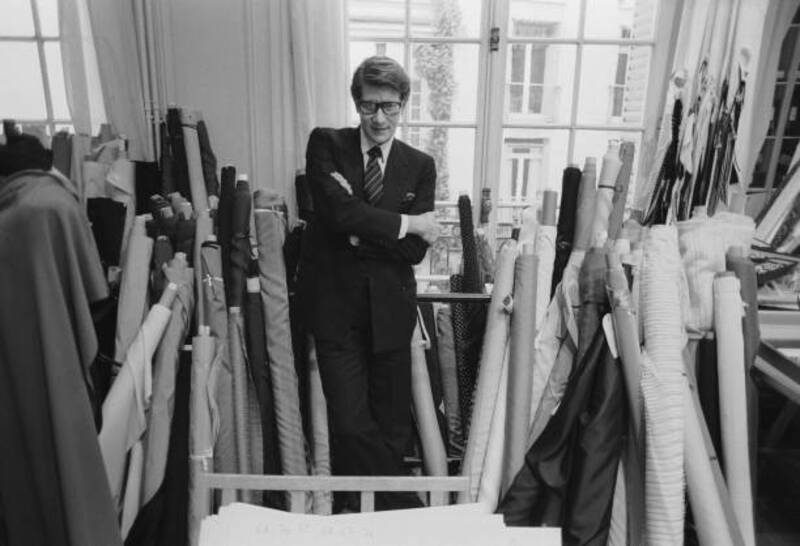
In 1966, he introduced the Le Smoking tuxedo, a sleek, androgynous suit for women. It challenged traditional gender norms and redefined power dressing. Another iconic creation was the Mondrian dress (1965), a shift dress inspired by Piet Mondrian’s geometric paintings, featuring bold blocks of primary colors and black lines.
Saint Laurent also drew inspiration from global cultures. His 1967 African Collection celebrated traditional African textiles and silhouettes, while his 1971 Opium perfume (and its controversial advertising) became a cultural phenomenon. He made high fashion accessible by launching ready-to-wear lines, proving that luxury could be worn daily.
4. Gianni Versace (1946–1997)
Gianni Versace was synonymous with bold, glamorous, and unapologetic luxury. His designs celebrated excess, with vibrant prints, metallic fabrics, leather, and daring cuts that embodied the jet set lifestyle of the 1980s and 1990s.
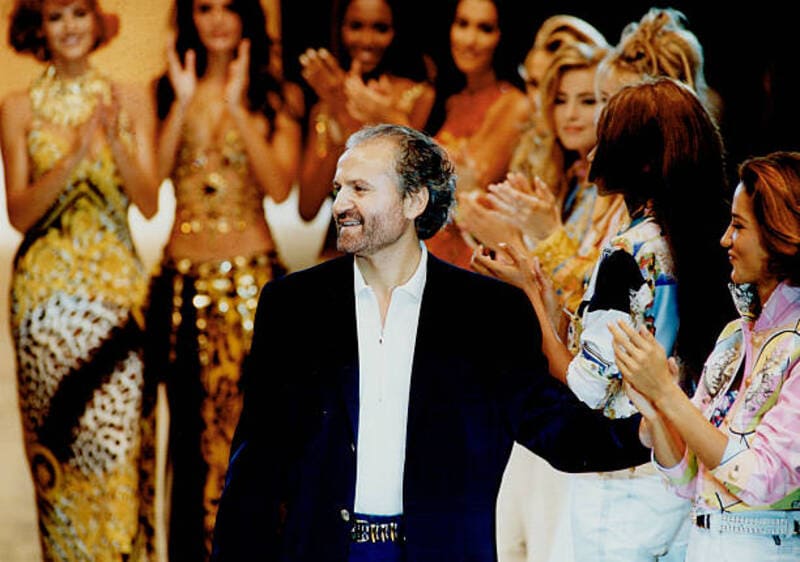
His most iconic pieces include the Medusa head logo (a symbol of power and allure), the safety-pin dress (worn by Elizabeth Hurley to the 1994 premiere of Four Weddings and a Funeral, catapulting both her and the brand to fame), and baroque-inspired prints that blended classical art with modern edge.
Versace also blurred the line between fashion and pop culture, collaborating with celebrities like Madonna and Elton John. After his tragic death, his sister Donatella Versace took over the brand, preserving his bold aesthetic while adding her own contemporary twist.
5. Karl Lagerfeld (1933–2019)
A prolific creative force, Karl Lagerfeld was the creative director of Chanel and Fendi for decades, and also helmed his eponymous brand. Known for his signature white ponytail, sunglasses, and black suits, Lagerfeld was a master of reinterpreting heritage brands for modern audiences.
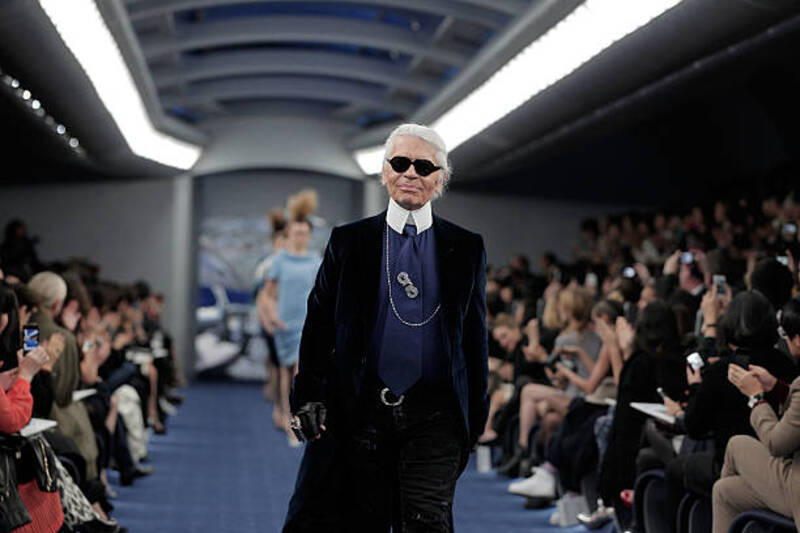
At Chanel, he reimagined classic pieces. He turned the tweed suit into a playful, versatile staple, launched the Chanel Boy Bag (2011) to appeal to younger consumers. He also staged elaborate runway shows (e.g., a supermarket-themed show in 2014) that became cultural events.
At Fendi, he popularized the FF logo (Fendi Fendi) and revolutionized fur design by treating it as a luxury fabric for ready-to-wear. Lagerfeld’s work was defined by his ability to balance tradition and innovation, keeping iconic brands relevant for generations.
6. Alexander McQueen (1969–2010)
Alexander McQueen was a visionary whose designs were equal parts art, drama, and provocation. Known as the enfant terrible of fashion, he pushed boundaries with dark, theatrical runway shows and unconventional techniques.
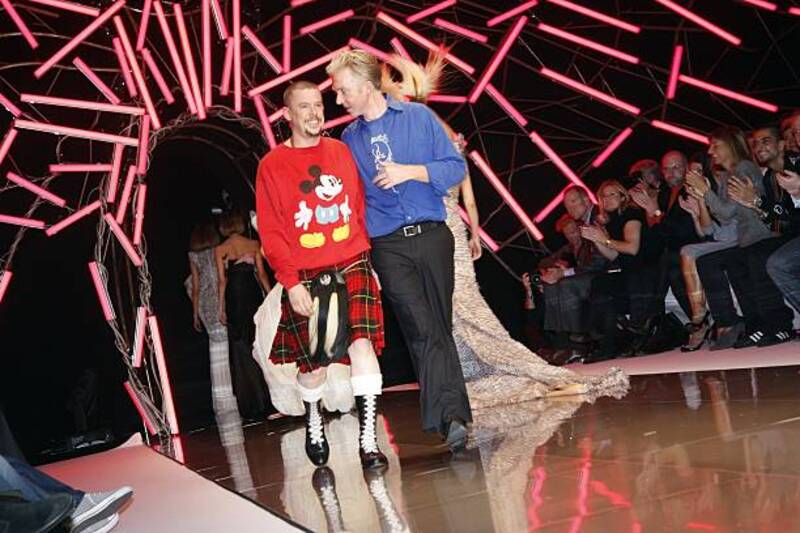
His most famous creations include the Armadillo Shoes (2010), towering, sculptural heels that became a symbol of his avant-garde aesthetic. The Plato’s Atlantis collection (2010), which blended futuristic silhouettes with digital prints and was live-streamed globally, breaking new ground for fashion accessibility. The Highland Rape collection (1995), a controversial exploration of Scottish history and female vulnerability.
McQueen’s work often addressed themes of identity, mortality, and beauty, cementing his status as one of the most influential designers of the 21st century.
7. Miuccia Prada (b. 1949)
Miuccia Prada, the granddaughter of Prada’s founder, transformed the family brand from a luxury leather goods company into a leading force in high fashion. As a former political science student, her designs are defined by intellectualism, minimalism, and a rejection of overt glamour.
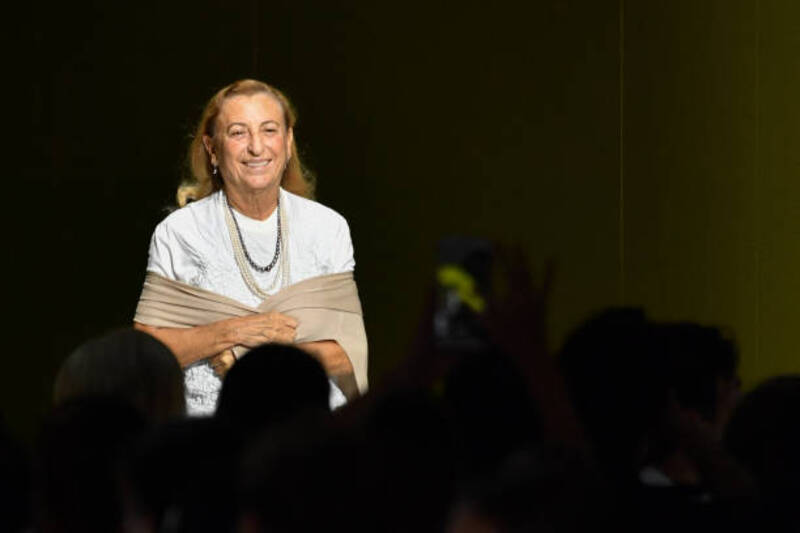
In the 1980s, she reintroduced the Prada nylon tote, a simple, utilitarian bag that became a status symbol, proving that quiet luxury could be just as desirable as flashy designs. She also launched Miu Miu (1993), a younger, more playful line that embraces retro aesthetics and feminine details.
Prada’s most iconic collections include her 1996 minimalist ready-to-wear line, which popularized neutral tones and clean lines. Her collaboration with Raf Simons (starting in 2020), blending her intellectual vision with his modern edge. She is celebrated for making fashion thoughtful, not just fashionable.
8. Stella McCartney (b. 1971)
Stella McCartney is a pioneer of sustainable fashion, proving that luxury and eco-consciousness can coexist. Since launching her eponymous brand in 2001, she has refused to use fur or leather, instead using innovative materials like recycled polyester, vegan leather, and organic cotton.
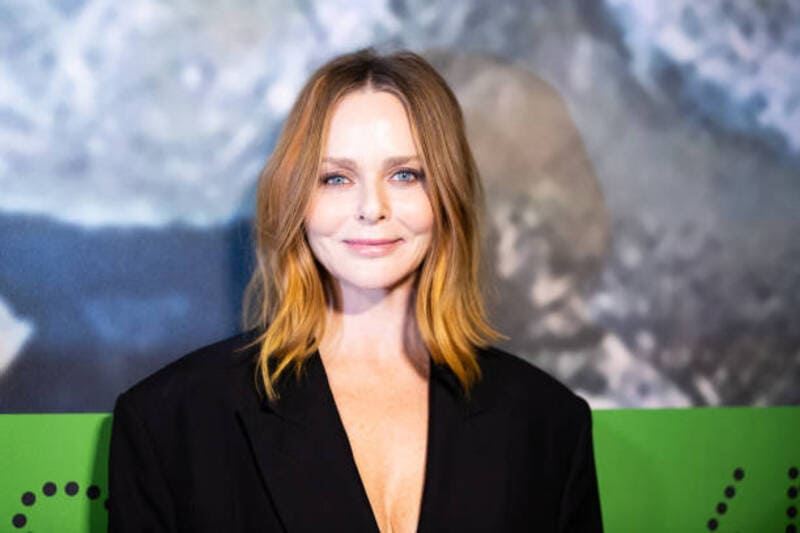
Her most iconic designs include the Stella McCartney Falabella tote (made from recycled materials, a bestseller that combines sustainability with timeless style) and her tailored blazers and dresses, which balance femininity and edge.
McCartney has also collaborated with brands like Adidas (launching a line of sustainable activewear) and H&M (creating a mass-market sustainable collection), making ethical fashion accessible to all.
Her work has shifted the industry’s mindset, inspiring other designers to prioritize sustainability, and she remains a vocal advocate for environmental and animal rights. Her legacy is not just in her designs, but in her mission to make fashion a force for good.
How AI Empowers Fashion Designers
Fashion designers do more than just draw. They create unique looks. They also manage production from start to finish. To succeed, they need creativity, craftsmanship, and business sense. The competition is fierce. Icons like Coco Chanel set timeless standards. They blended art with market needs. Their vision changed the industry.
Today, however, technology is reshaping the industry’s fundamentals. Artificial intelligence has emerged as a game-changing tool that amplifies designers’ core strengths.
Rather than overshadowing human creativity, AI solutions like Fashion Diffusion are re-imagining the design journey, helping designers streamline tedious processes, unlock fresh creative avenues, and keep pace with rapidly shifting consumer trends. Below is a breakdown of how AI empowers fashion designers at every stage, from initial ideation to final production.
Turn Concepts into Visuals Instantly: Text/Images to Sketches & Renderings
The initial stage of translating abstract ideas into tangible visuals often involves tedious manual revisions and fabric texture visualization challenges. Fashion Diffusion eliminates this bottleneck in seconds.
Designers can input simple text prompts (e.g., “bohemian maxi dress with lace on a beach at sunset”) or upload rough hand-drawn/digital sketches. The AI instantly converts text to structured sketches, polishes messy line art into professional illustrations, and adds realistic fabric textures (silk sheen, denim ruggedness) and color gradients.
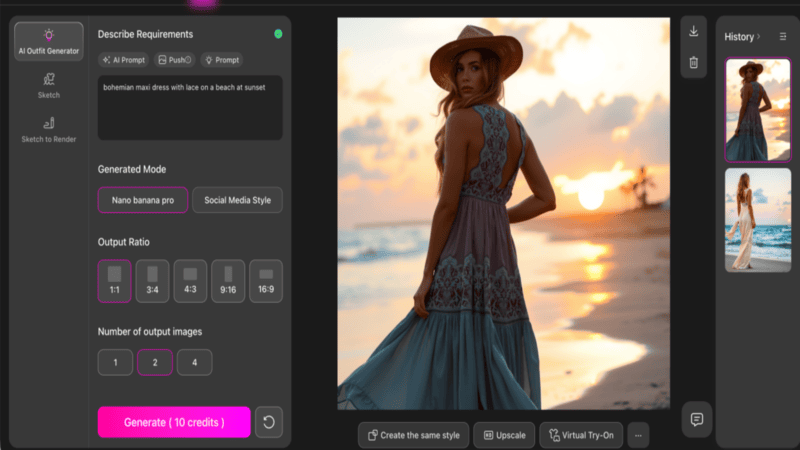
For example, a quick blazer sketch can become a high-fidelity rendering with customizable lapels and draping in minutes—tasks that once took hours.
This accelerates concept development. Designers can iterate on 5-10 variations in the time it used to take to finalize one, and test bold fabric combinations (e.g., velvet + mesh) risk-free.
Streamline Virtual Prototyping: Cut Sample Costs & Revisions
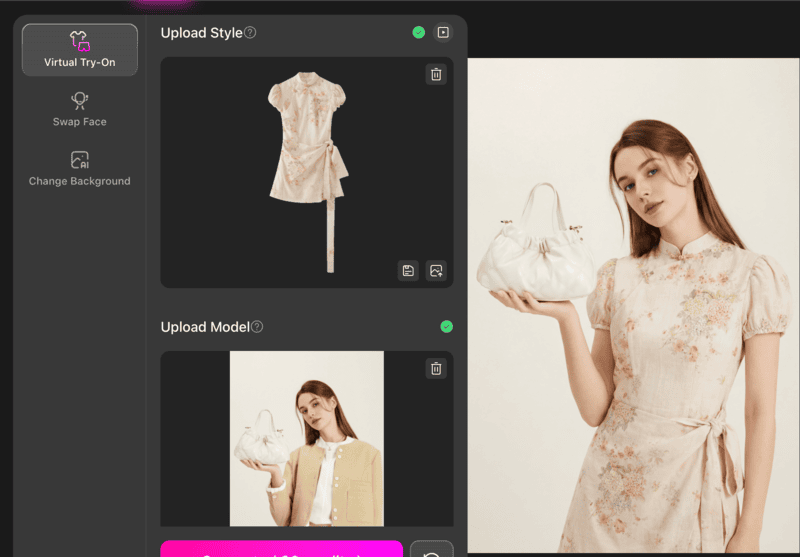
Physical sampling is costly and time-consuming—one sample can cost hundreds, with revisions extending timelines by weeks. Fashion Diffusion’s AI virtual try-on and visualization tools replace this with flexible digital prototyping.
Test garments on customizable AI models (body type, skin tone, pose) or use Swap Face with uploaded images to evaluate fit across diverse silhouettes, fabric drape, and color accuracy in real time. No physical sewing required. A sportswear brand, for instance, can test 10 waistband designs and 8 fabric blends on 5 body types in a day. This reduces sample costs and validates designs early, avoiding costly late-stage rework.
Automate Repetitive Tasks: Save 3–5 Hours Per Design
Fashion designers waste hours on non-creative work: resizing sketches, recoloring garments, or upscaling images. Fashion Diffusion’s AI automates these tasks, freeing time for creativity.
- AI Recoloring: Apply palettes to entire garments or specific details with one click.
- Fabric Application: Swap fabrics/patterns without redrawing sketches.
- Image Enhancement: Auto-remove backgrounds, upscale resolution, and standardize asset style.
Saving 3–5 hours per design adds up to 50+ hours for a 20-piece collection—time to brainstorm new ideas or refine existing ones.
Simplify Professional Output: No AI Expertise Needed
Technical barriers—like complex AI workflows or coding requirements—often prevent designers from leveraging advanced tools, but Fashion Diffusion breaks this mold: its intuitive interface mirrors familiar design software (e.g., Photoshop, Procreate), requiring zero coding or AI expertise while unlocking high-barrier capabilities that were once exclusive to technical teams.
Designers interact naturally: upload sketches/fabric swatches for AI adaptation, or use plain language prompts (e.g., “make the skirt flowy” or “add ivory lace neckline”).
This accessibility extends to all users: new graduates can create portfolio-worthy renderings and virtual try-ons in days, while veteran designers at brands seamlessly integrate these high-barrier tools into their existing workflows—leveraging professional-grade features without disrupting their creative process.
Getting Started as a Self-Taught Fashion Designer With Fashion Diffusion
Even as a self-taught designer, without formal training in technical drafting, fabric science, or professional rendering, you can turn creative vision into polished, production-ready work with Fashion Diffusion. No need to let skill gaps or limited access to industry tools hold you back. This platform simplifies high-barrier AI capabilities into an intuitive workflow that meets you where you are.
Start your free trial today: Upload your first idea, experiment with trend-aligned variations, and bring your designs to life—seamlessly, accessibly, and professionally.
FAQ
A fashion designer creates original clothing, footwear, and accessories by researching trends, sketching concepts, selecting fabrics, and overseeing production, blending artistic vision with technical skills to develop collections for various markets, from luxury to mass retail, influencing style from initial idea to finished product.
Becoming a fashion designer typically takes 2 to 4 years for formal education (Associate/Bachelor’s degree), but the full journey to a successful career, including skills development, internships, and building a portfolio, can extend to 4-5 years or more, with self-taught routes varying greatly depending on dedication, networking, and market entry. Shorter certificates (6-12 months) exist for specific skills, while Master’s degrees add 1-2 years for advanced study.
Fashion design can be a rewarding, creative career with diverse opportunities, but it’s also highly competitive, demanding long hours, and often comes with lower entry-level pay and high pressure, requiring significant passion, strong skills (technical and creative), and adaptability to evolving trends and digital demands. While potential for growth and earnings exist, success hinges on perseverance and navigating stiff competition.
AI acts as a powerful collaborator that amplifies human creativity. It helps designers overcome technical barriers by instantly transforming text descriptions or rough sketches into polished visuals. AI tools like Fashion Diffusion streamline tedious tasks such as pattern drafting, fabric simulation, and colorway generation, allowing designers to iterate faster, reduce sample costs, and bring their visions to life more efficiently.
No, advanced drawing skills are not a prerequisite. AI fashion design platforms are designed to be intuitive and accessible. Users can input ideas through simple text prompts (describing the garment, style, and fabric) or upload basic line art. The AI handles the technical rendering, making it possible for self-taught designers or those without formal illustration training to create professional-quality designs.


